
Complete heating systems
Central Heating Installation in London
New wet central heating for houses and flats across London, planned room by room and fitted by Gas Safe registered engineers.
- Gas Safe registeredAll gas work done by registered engineers
- Written price firstLabour and parts agreed before work starts
- London-wideThe city and towns within about 20 miles
- Job recordsPhotos and a written record on completion
What you get
Central Heating Installation: how we work
A central heating installation is more than a boiler on the wall. It is the pipework, the radiators, the controls and the way they balance together once the water is flowing. G&B Gas Safe plans and fits complete wet heating systems across London, from a first system in a flat that ran on storage heaters to a full strip-out of tired 1970s pipework in a Victorian terrace.
Around half of London homes went up before 1945, so our central heating engineers spend most of their time in older buildings with awkward floor voids and long pipe runs. We size each radiator for the room it heats, match the boiler to your hot water demand, and where a new boiler joins old pipework we clear the sludge first with a power flush.

01
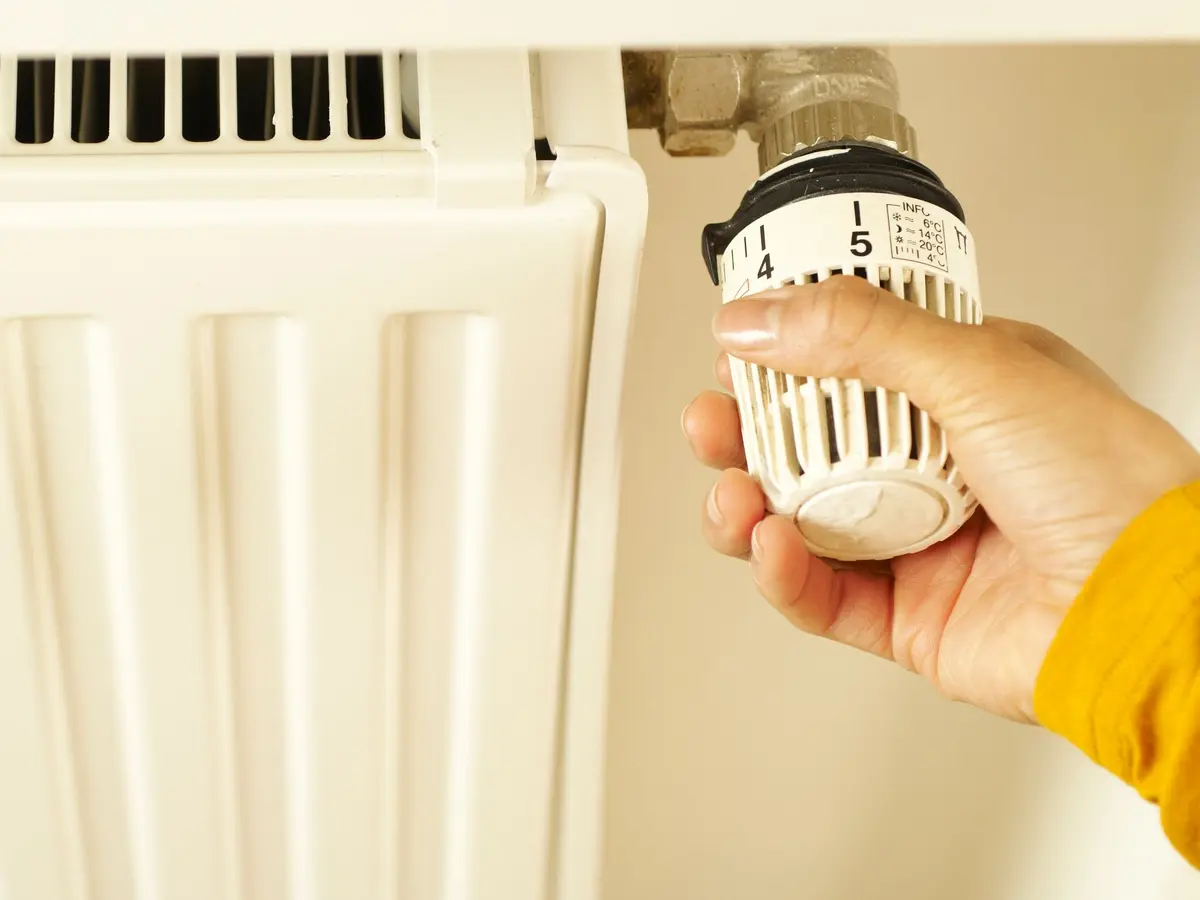
Boiler Installation as Part of a Heating System
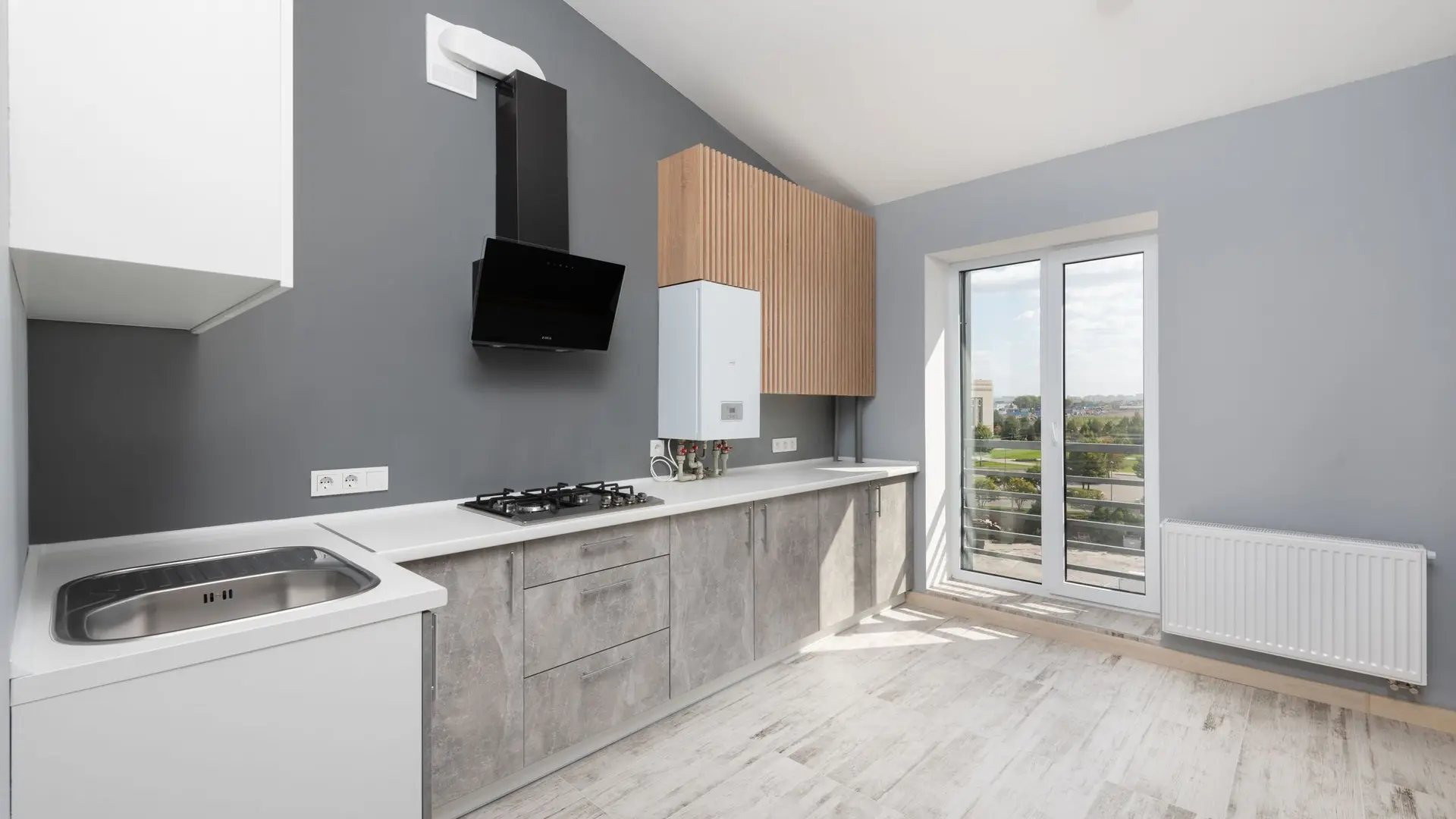
A boiler only performs as well as the system it feeds. Before we recommend a combi, a system boiler or a regular (heat-only) boiler, we look at how many bathrooms you have, the incoming mains flow, whether there is room for an unvented cylinder and where the flue can leave the building. In a mansion block flat, that last point often decides the whole layout.
Every new boiler goes in with a magnetic filter on the return, a programmable controller and gas pipe sized correctly back to the meter. If the existing boiler is simply worn out and the rest of the system is sound, a straight boiler replacement may be all the job needs.
02
Full Central Heating Installation
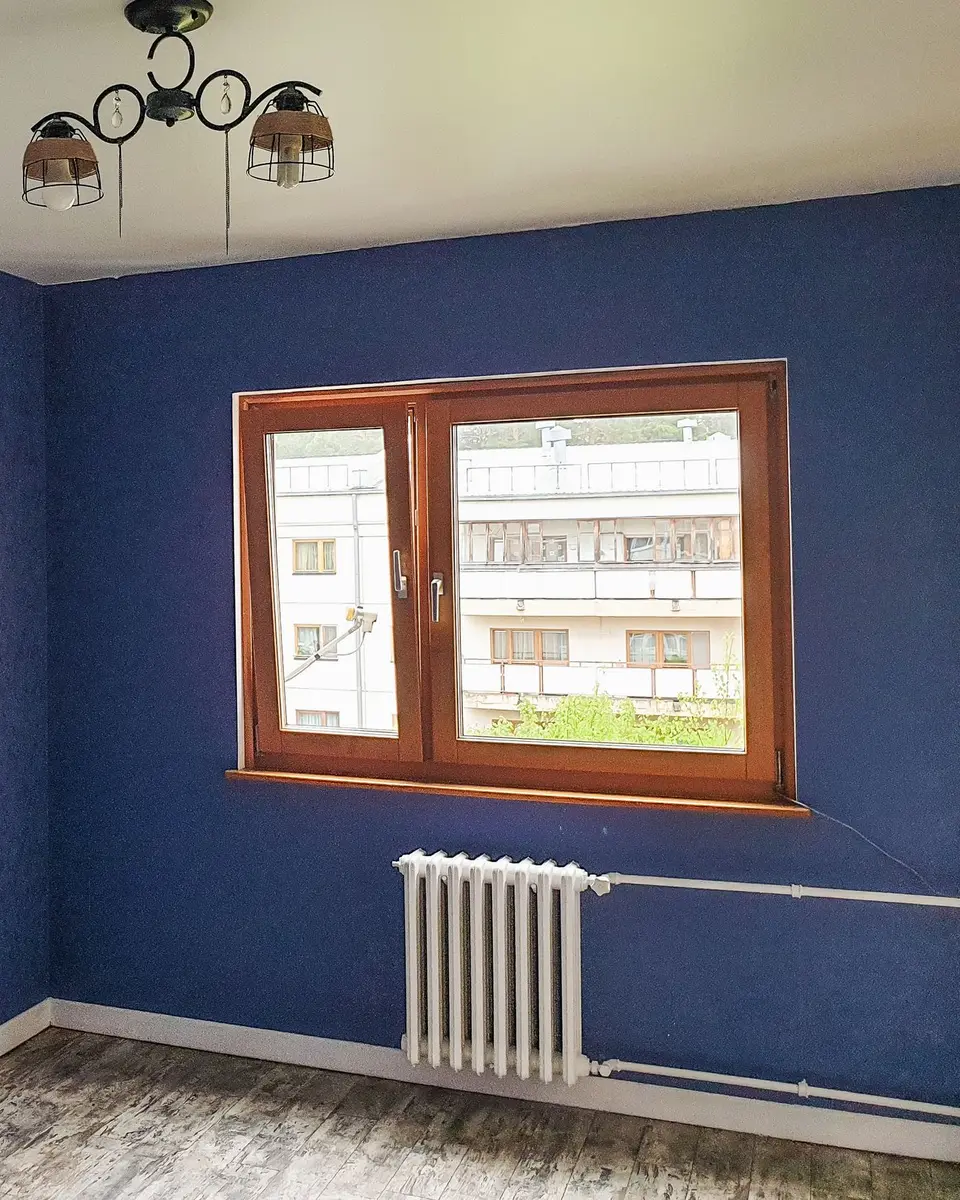
Quick Quote OnlineA full system starts with a heat loss check for each room. Radiators are then sized to suit, so a north-facing bedroom with a bay window gets more output than a small internal box room. Pipe routes are planned before a floorboard is lifted, and we agree radiator positions with you on the survey.
In London terraces the flow and return usually run under suspended timber floors, which lets us lay new pipe without chasing plaster. Where an older house has narrow microbore that blocks easily and starves the far radiators, we replace it with 15mm and 22mm runs.
- Heat loss figures worked out per room
- Radiator sizing and positions agreed in advance
- Pipe runs under suspended timber floors
- Microbore replaced with standard bore
- Controls, TRVs and full commissioning
03
Heating Repairs on Existing Systems
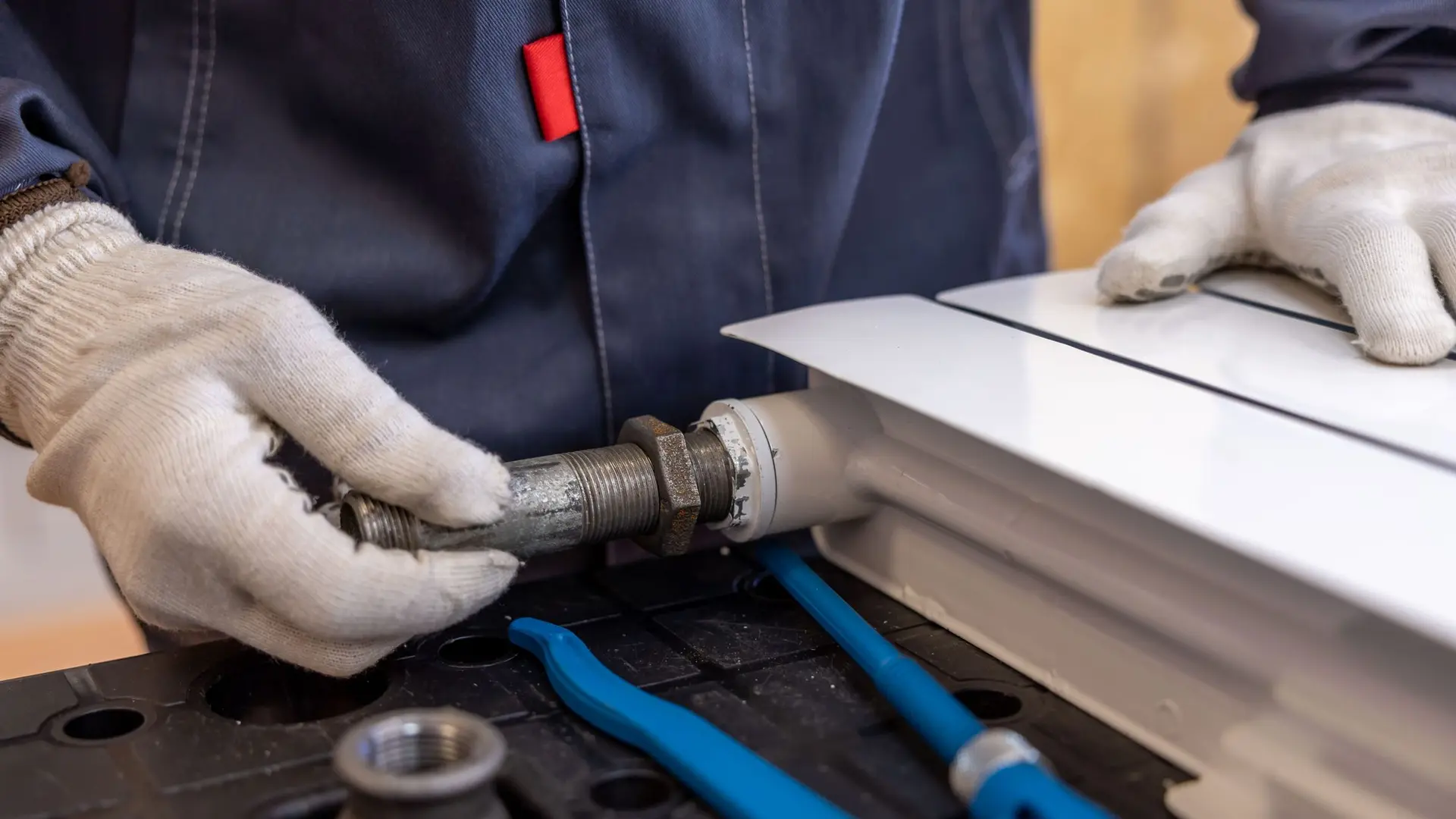
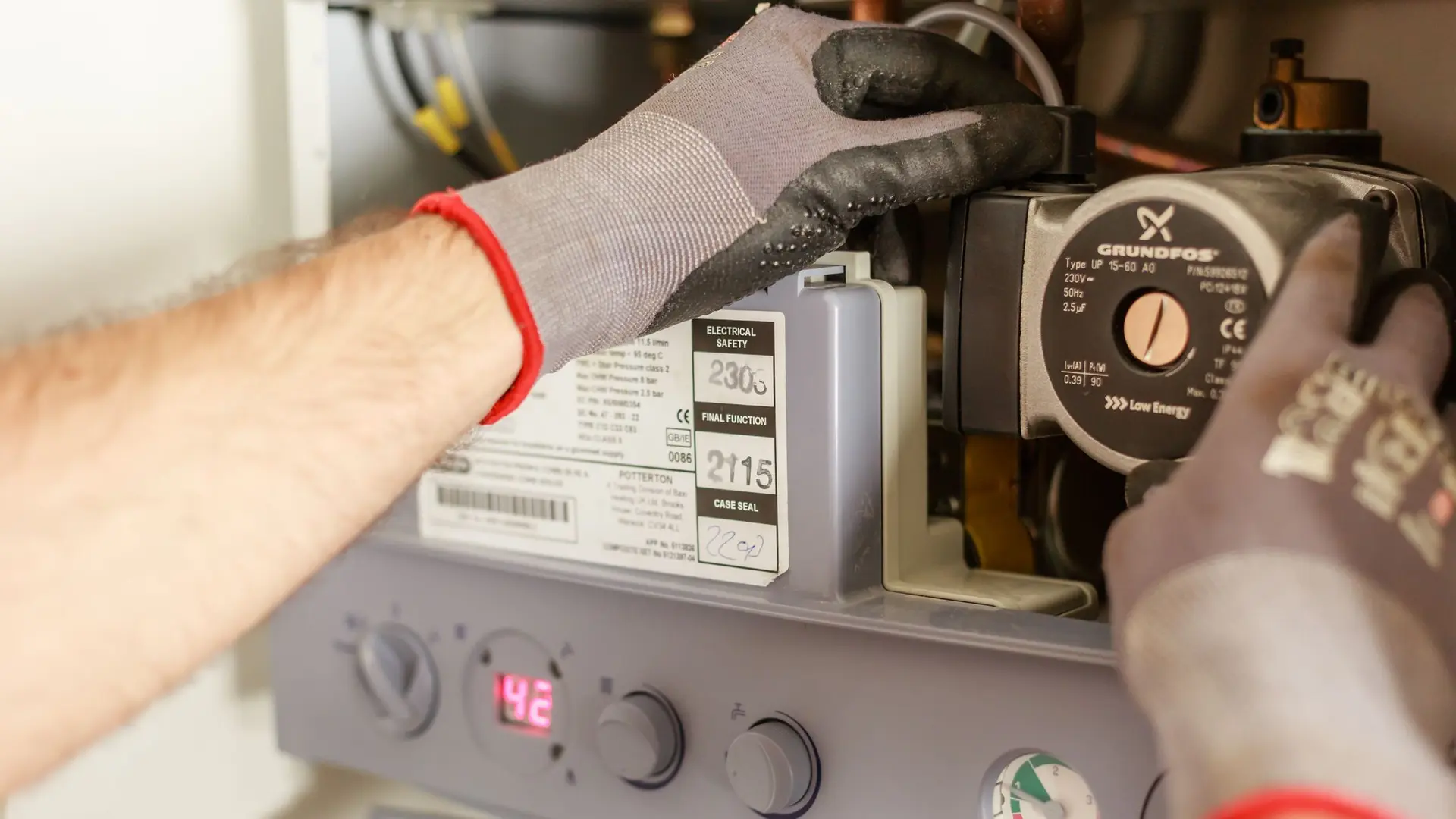
Our central heating repair work covers the faults that turn up in systems of every age: a diverter valve stuck in hot water mode, a motorised zone valve that no longer opens, a circulating pump seized with sludge, or pressure that drops overnight because a joint is weeping somewhere under the floor.
We test before we replace. A meter on the valve head or a pressure test on the circuit shows which part has actually failed, so you are not paying for parts that were working. If the fault sits inside the boiler, we read the fault code and explain what it means before going any further.
04
Boiler Servicing After Installation
A new system still needs looking after. Once a year the boiler should be opened up, the combustion checked with a flue gas analyser, the burner and heat exchanger cleaned, the condensate trap cleared and the seals inspected. Skipping it can also cause problems with the manufacturer warranty on a new boiler.
At the same visit we empty the magnetic filter, check system pressure and the expansion vessel charge, and test a water sample for inhibitor. Small jobs like these are what keep radiators heating evenly long after the installation is signed off.
05
Emergency Heating Callouts
Quick Quote OnlineNo heat on a freezing night, a boiler that has locked out and will not reset, or water escaping from the heating pipework all count as urgent. Say it is urgent when you fill in the Quick Quote form and the job is prioritised in the diary.
We do not promise an arrival time we cannot control across London traffic. What you do get is a clear reply about what to check first: whether the pressure gauge has fallen below one bar, whether the condensate pipe outside has frozen, and how to close the nearest valve to stop a leak while you wait.
06
Gas Safe Engineering
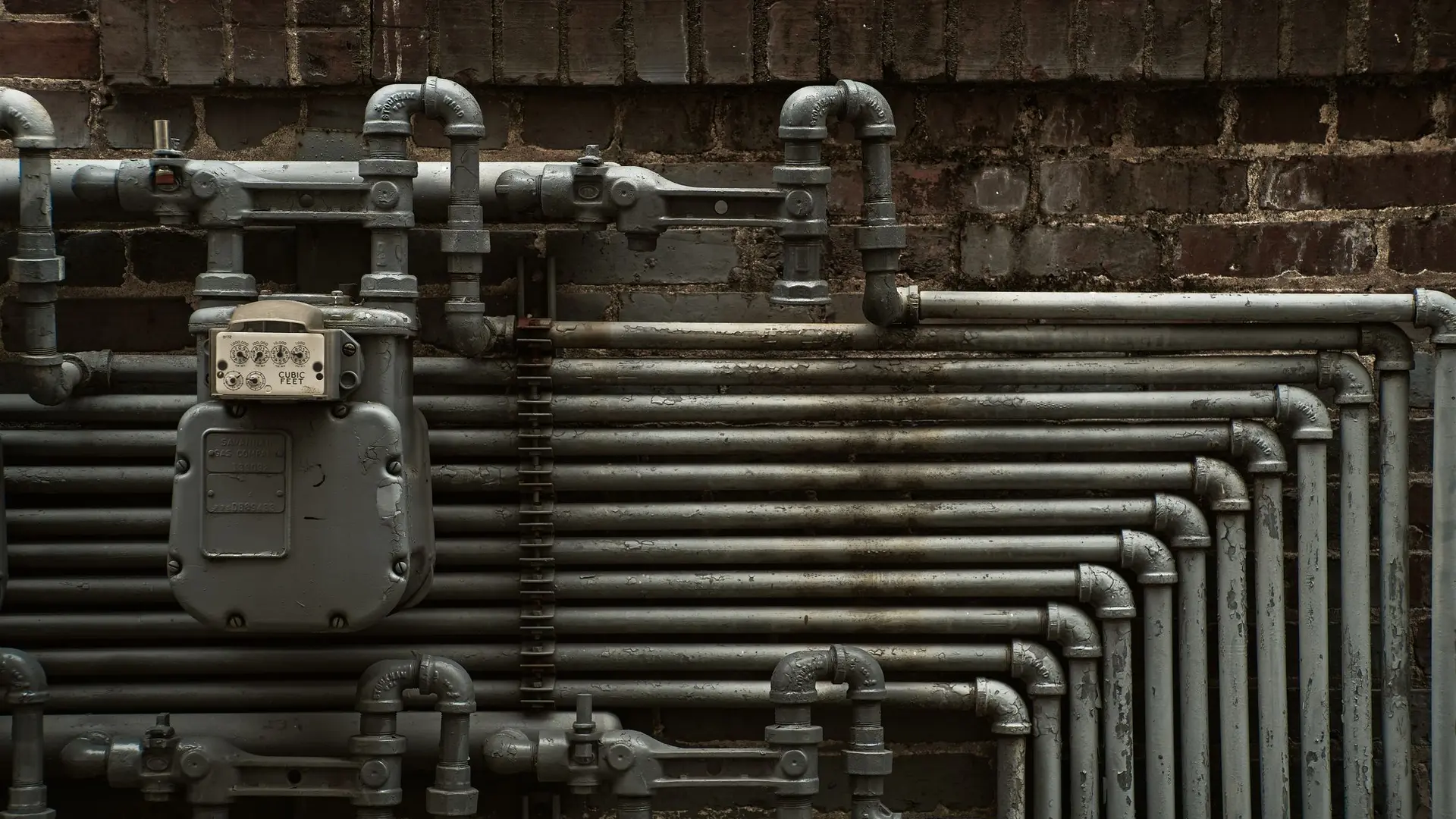
Any work on a gas appliance, gas pipework or a flue must be carried out by a Gas Safe registered engineer. That includes fitting the boiler, extending or upsizing the gas supply and commissioning the appliance. Our gas work is done by Gas Safe registered engineers only.
Every installation finishes with a tightness test on the gas supply, a flue integrity check, combustion readings and a written commissioning record. The boiler is registered with the manufacturer and the work is notified for Building Regulations, so you hold the paperwork you will need for a future sale or remortgage.
07
Areas and Property Types We Cover
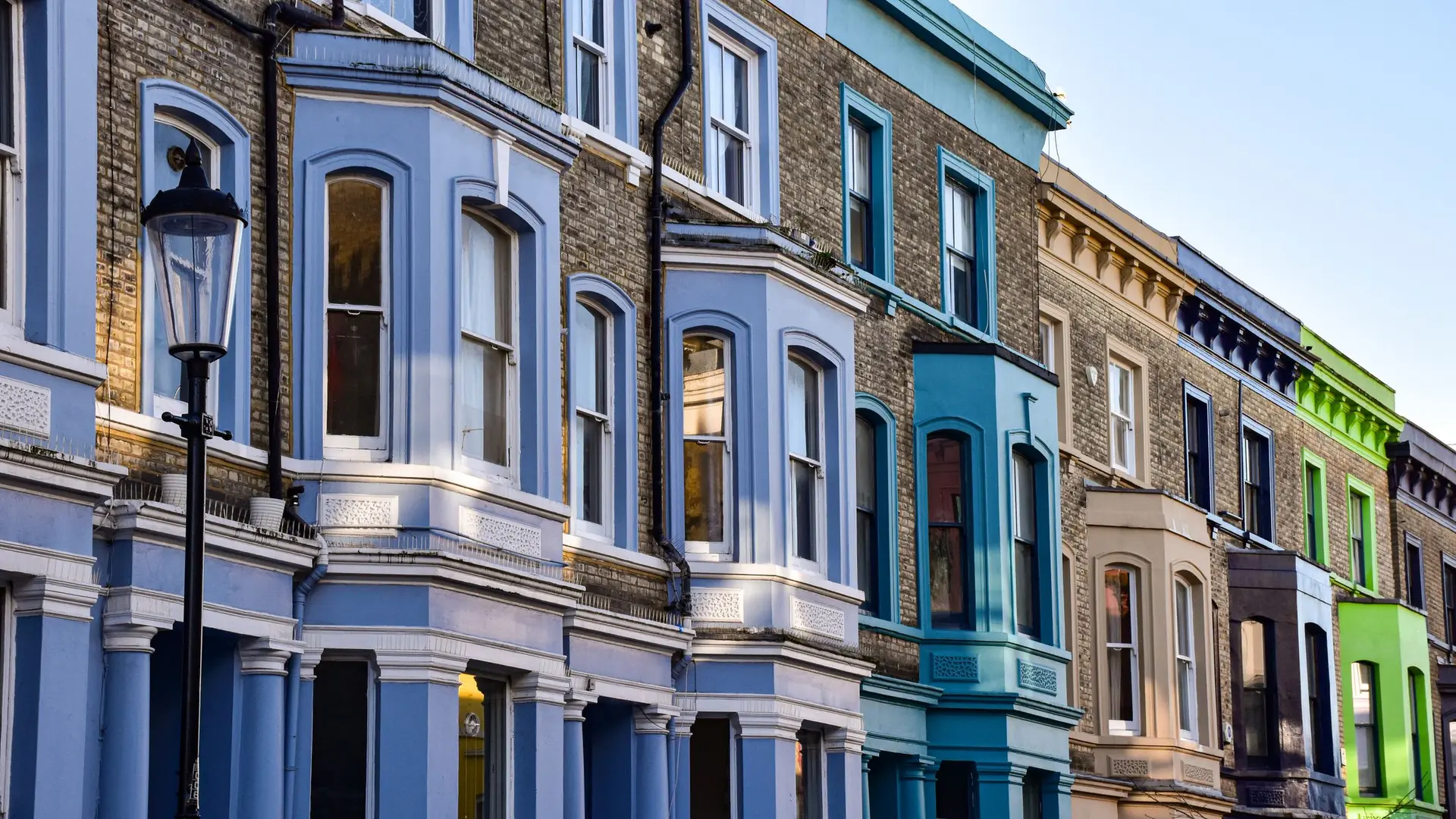
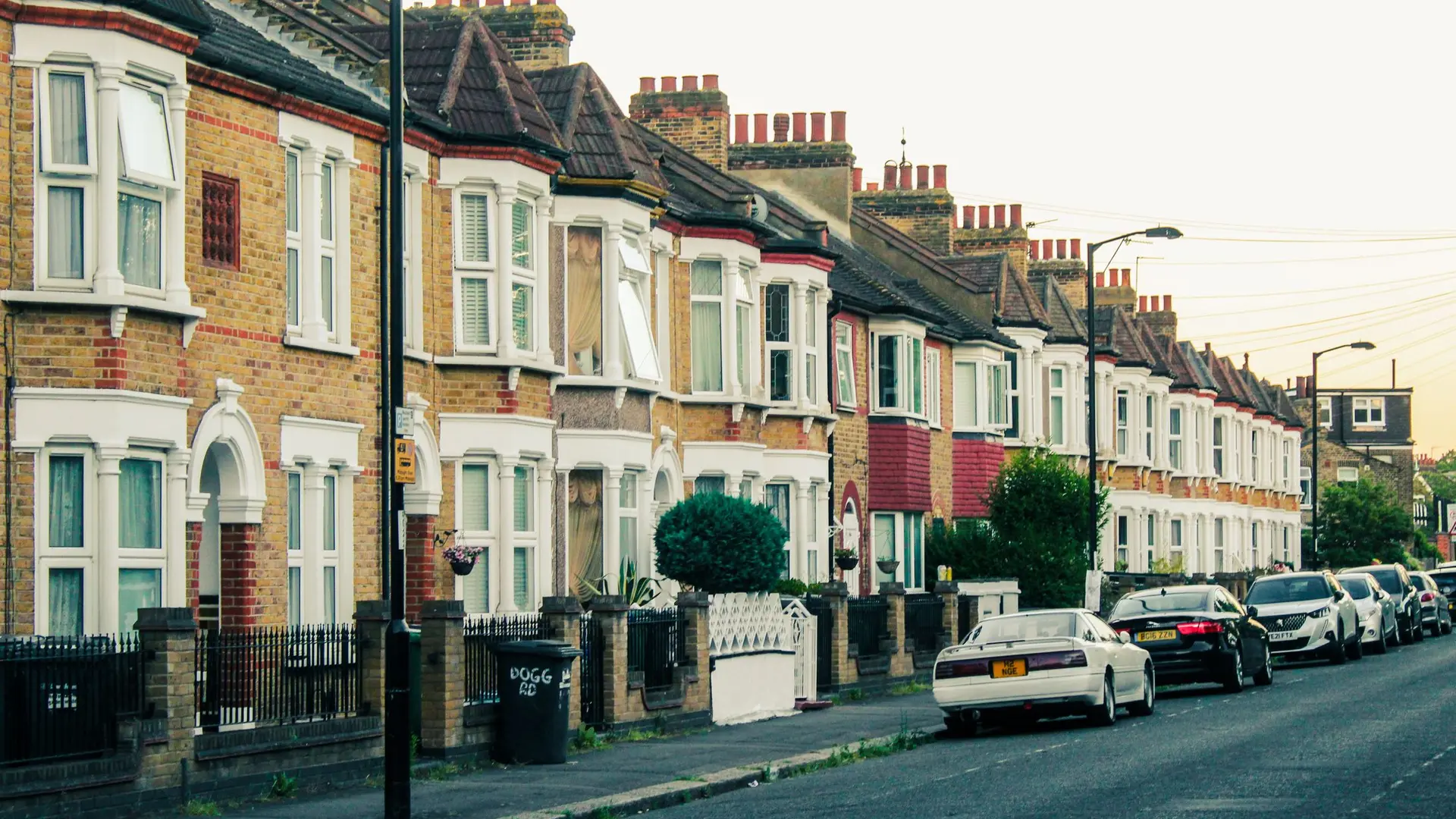
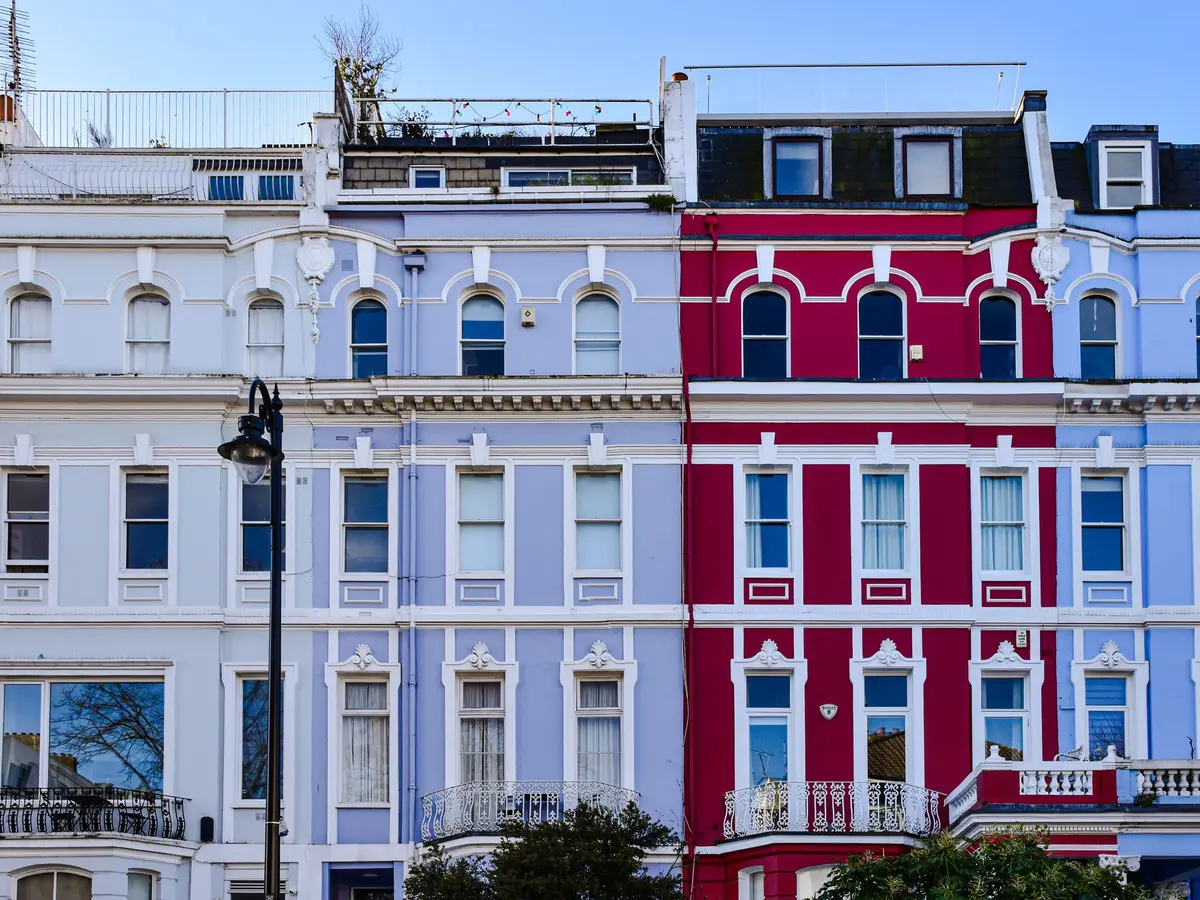
Much of inner London is Victorian and Edwardian terraces and purpose-built mansion blocks, and each brings its own heating puzzles. Terraces need long runs out to a rear extension. Mansion blocks have shared flues and very few routes for pipework between floors. Interwar semis further out tend to be easier, with deeper floor voids and simpler layouts.
We also fit systems in converted townhouses split into flats, where each unit needs its own boiler and controls, and in low-rise post-war estates where warm-air or storage heating is being swapped for a wet system for the first time.
How it works
How a central heating installation runs
The order of work stays the same whether it is a one-bedroom flat or a four-storey townhouse.
Step 1 of 4
Survey and heat loss
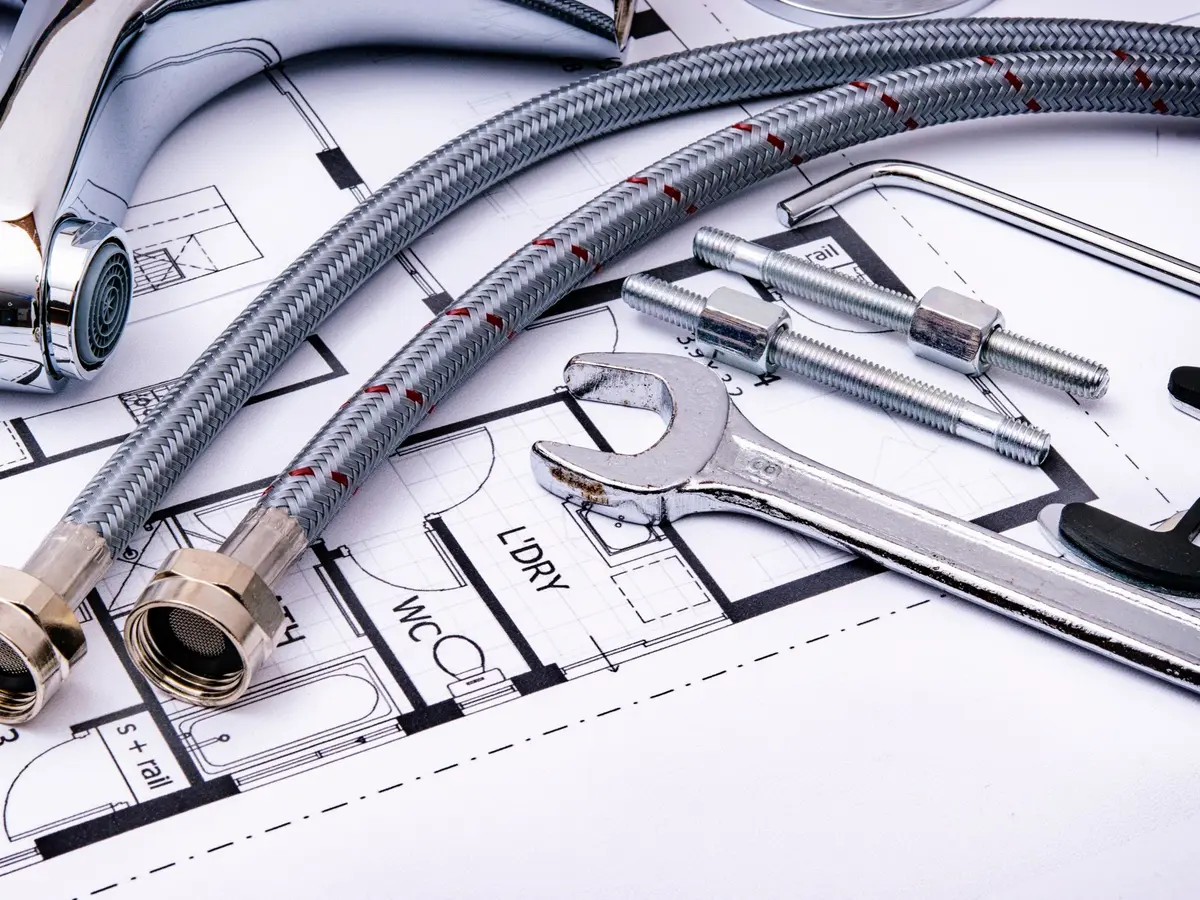
We measure each room, check the gas meter and water supply, and note where pipes can run.
Step 2 of 4
Written price and plan
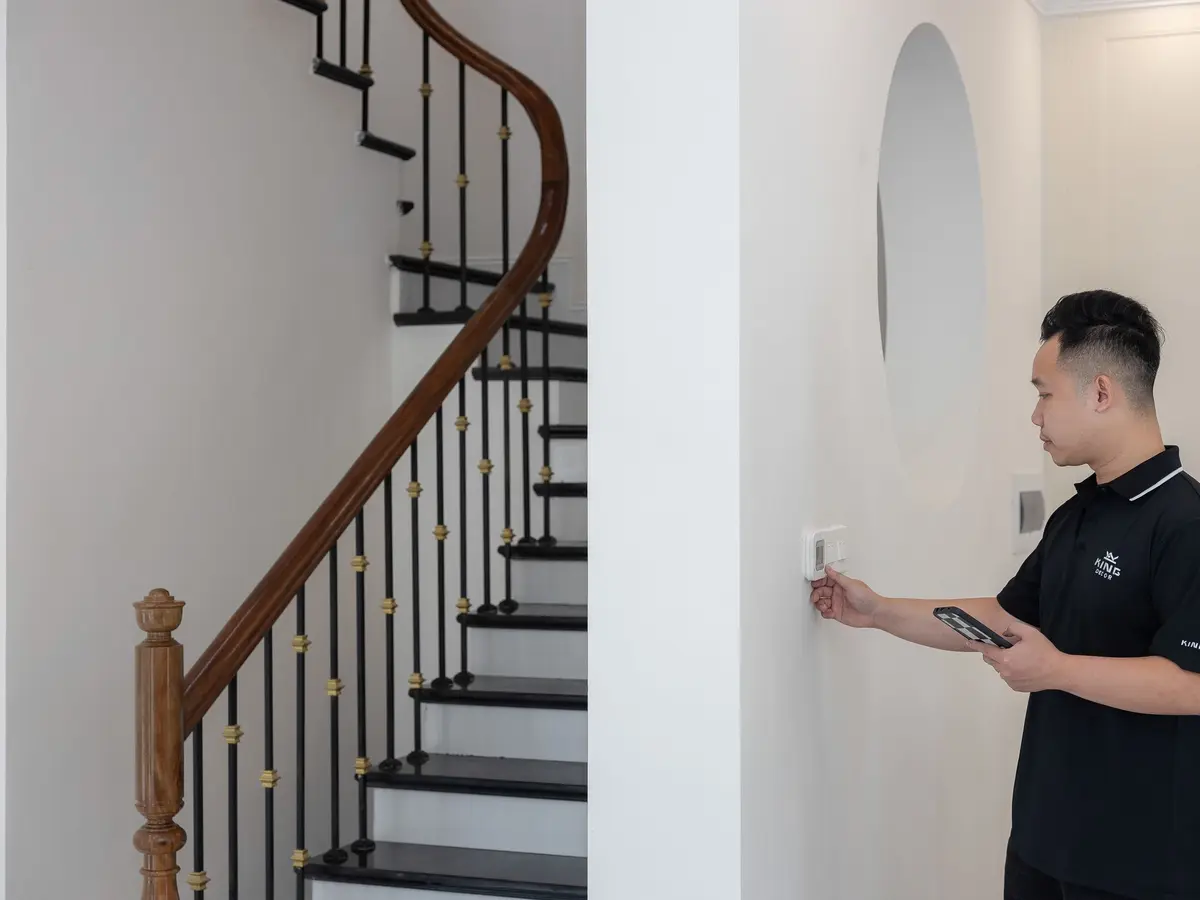
You receive a fixed written price listing the boiler, radiators, controls and labour before anything is ordered.
Step 3 of 4
First fix pipework
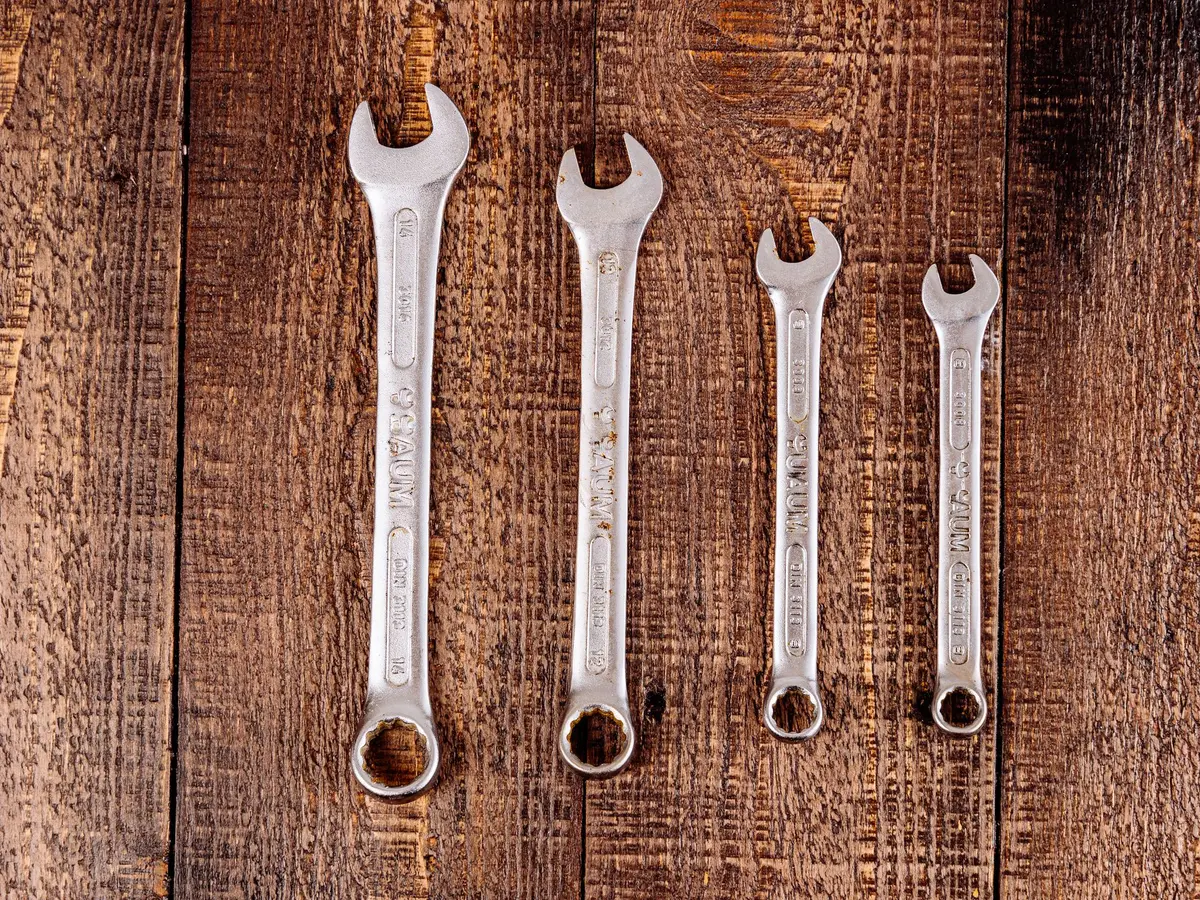
The old system is drained and removed, then new flow and return pipes are laid and radiator tails brought up in the agreed spots.
Step 4 of 4
Commission and hand over
We fill, flush, dose inhibitor, balance every radiator and show you how the controls and timer work.
Planning a new heating system?
Tell us the property type and number of rooms and we will come back with a Quick Quote.
Quick Quote OnlineWarm rooms, finished floors: what customers tell us after a new system
Gallery
Radiators, rails and runs
A closer look at the parts and finishes this work involves. Photos open full size.
Areas we cover
Central heating installation across London
North and north-east London hold a lot of the terraces and conversions we heat. In Islington and Holloway the work is often in split townhouses with a boiler per flat, while Archway and Stamford Hill have Victorian terraces with long ground-floor voids that suit new pipe runs. Further out, Finchley has interwar semis ready for a full upgrade, and in Tottenham, Walthamstow and Leytonstone we regularly replace ageing systems in pre-1919 terraces and conversion flats.
- London
- City of Westminster
- Islington
- Chelsea
- Battersea
- Holloway
- Brixton
- Peckham
- Fulham
- Archway
- Shepherds Bush
- Canary Wharf
- Stamford Hill
- Willesden
Related work
Jobs that often go with this one
Boiler Replacement
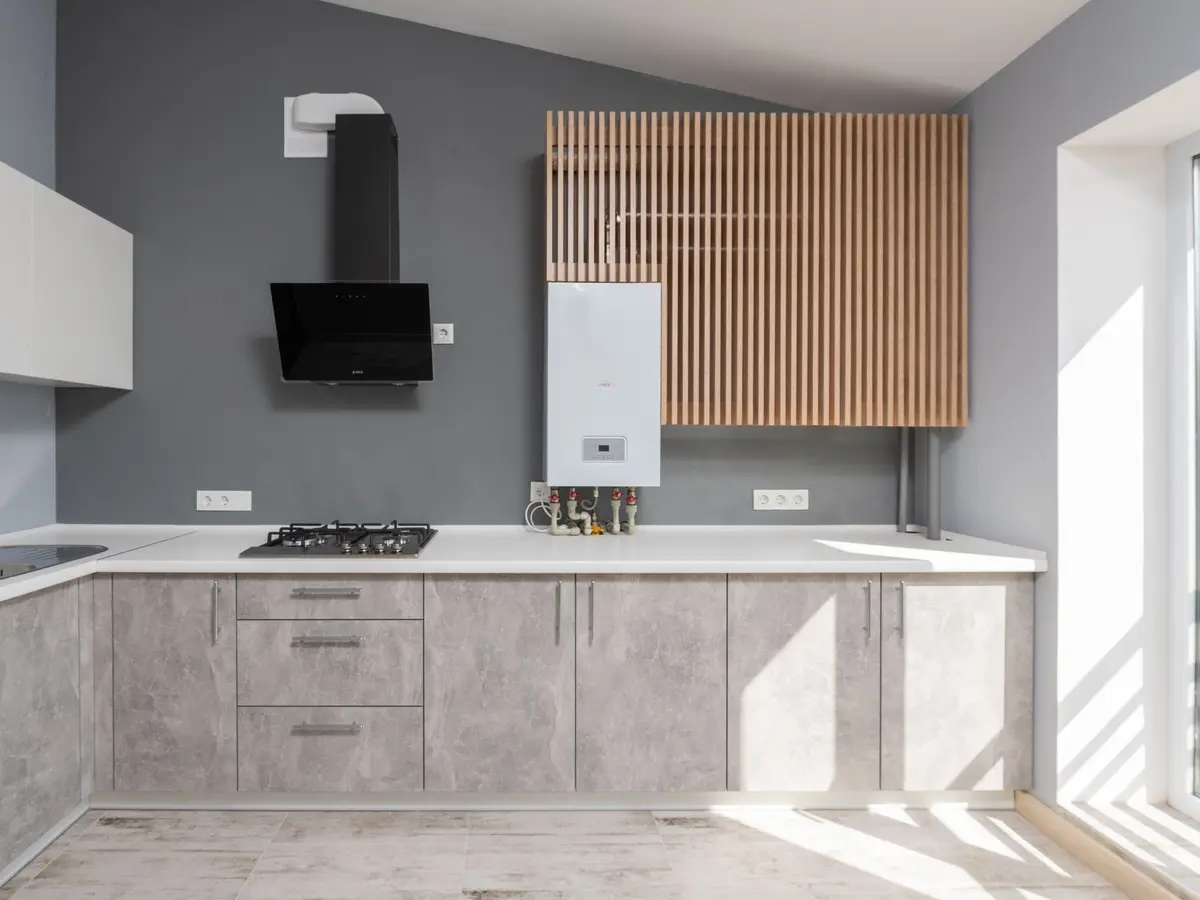
Old boiler out, the right-sized combi, system or regular boiler in, with the system cleaned.
Radiator Repair and Replacement
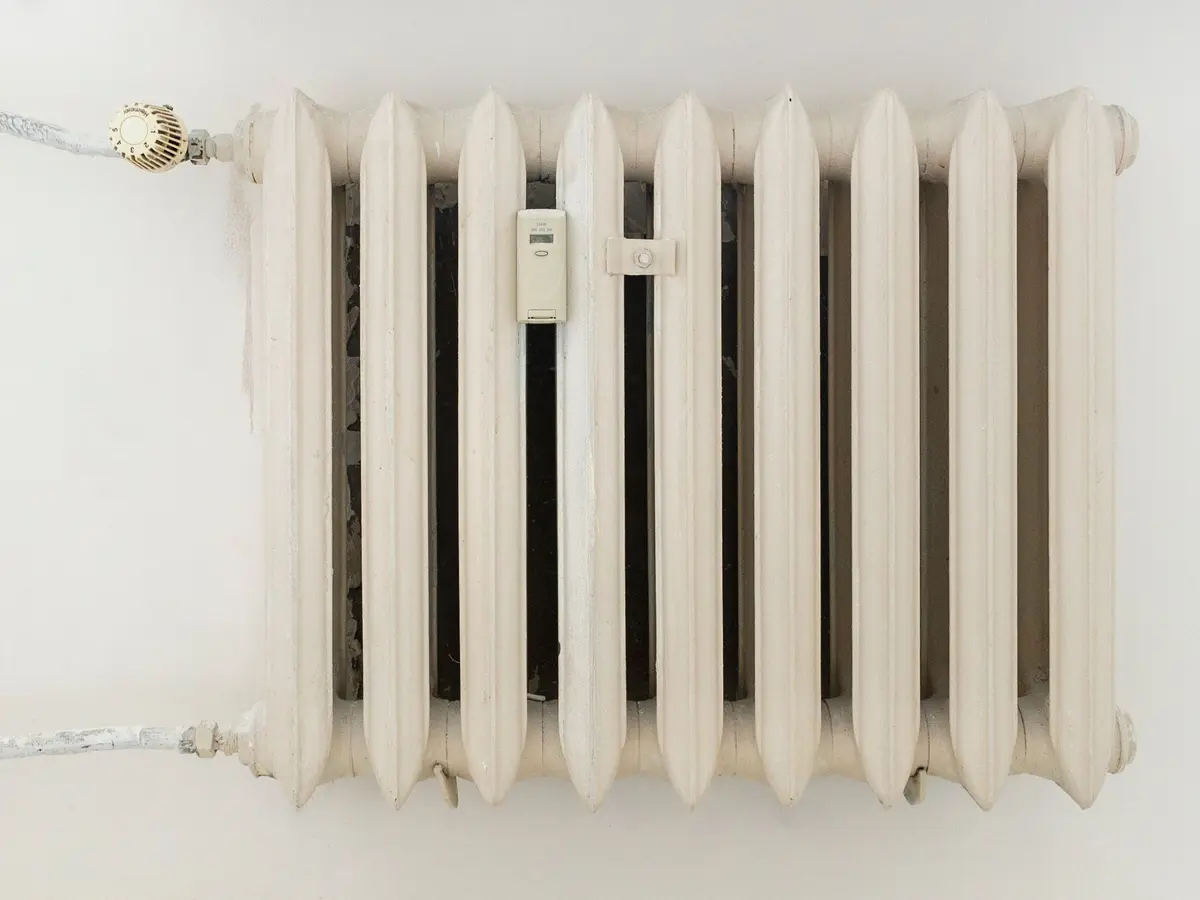
Weeping valves, cold spots and tired radiators fixed or swapped, including towel rails.
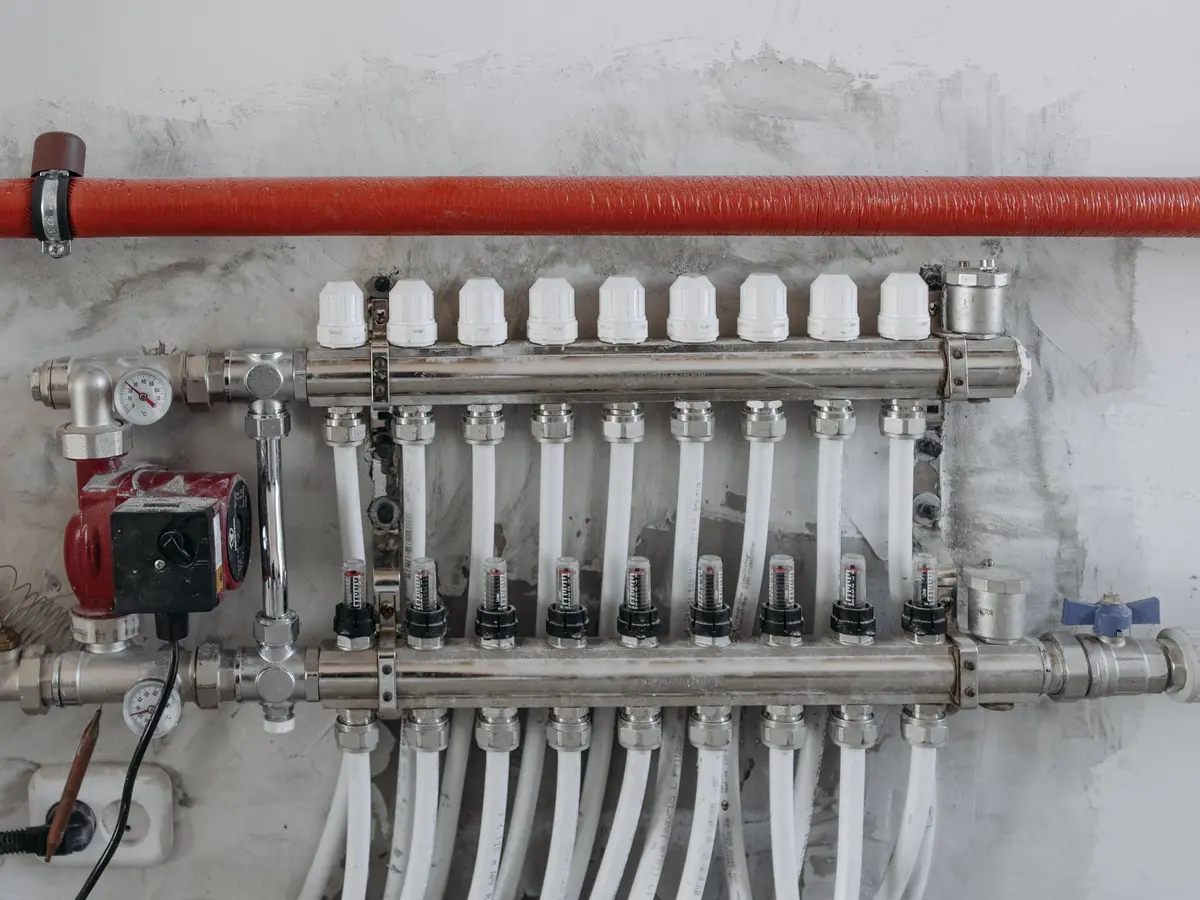
Underfloor Heating Repair and Installation
Wet and electric systems fitted, and cold zones, sticking actuators and manifold faults traced.
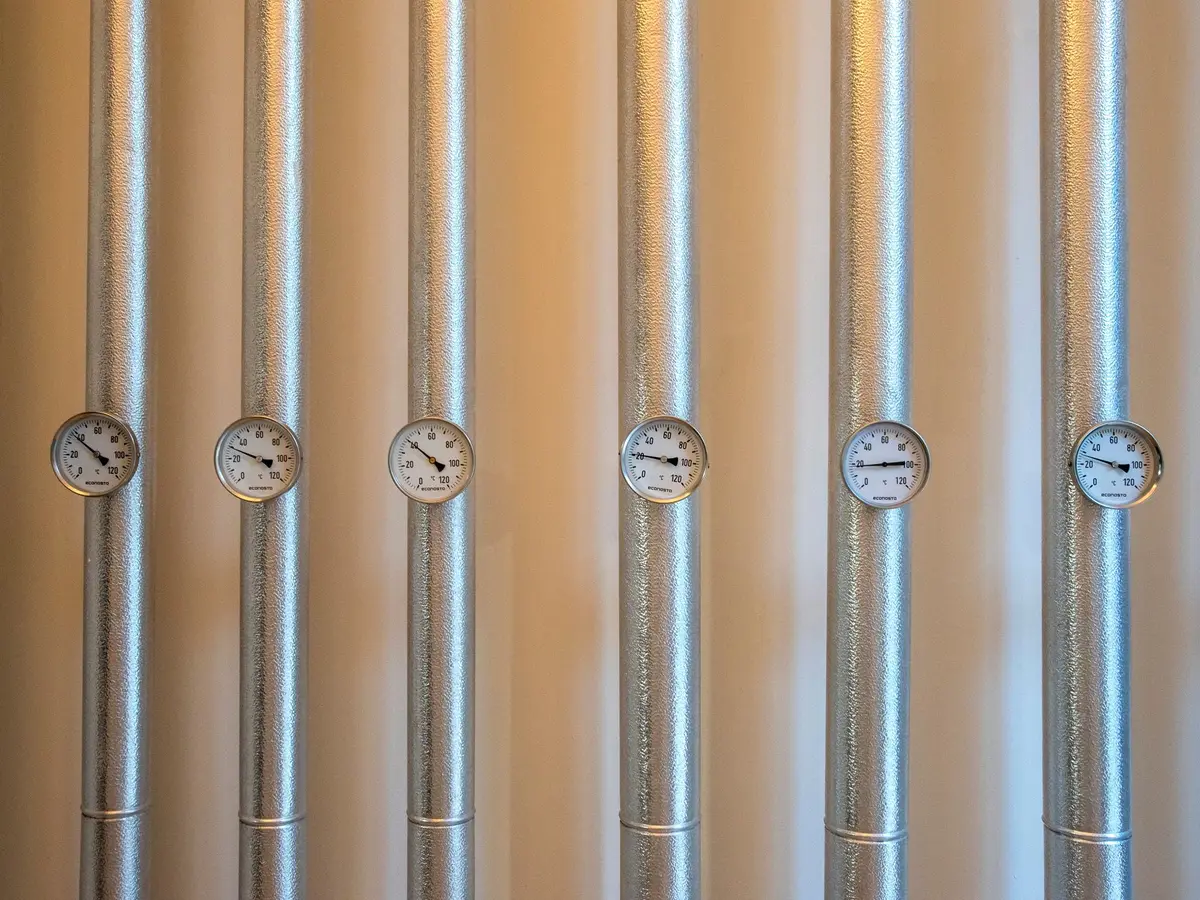
Power Flushing
Sludge and magnetite flushed out of radiators and pipework, then inhibitor and a filter.
Questions
Central Heating Installation: your questions
How long does a full central heating installation take?
It depends on the number of radiators, how much floor has to come up and whether the boiler position changes. A small flat is far quicker than a large terrace with a loft conversion. After the survey we give you a written schedule showing which days the heating and water will be off, so you can plan around it.
Do you have to lift every floorboard?
No. We lift boards only along the planned pipe routes and at each radiator position. In terraces with suspended timber floors, one or two boards per room are often enough to feed pipe through the void. Boards are numbered, refixed with screws where needed and left level so carpets and flooring can go back down.
Should my microbore pipework be replaced?
Not always. Microbore works if it is clean and the radiators are small, but it blocks easily with sludge and can struggle to feed larger modern radiators. If radiators at the end of a run stay lukewarm, or the pipes are already partly blocked, we recommend replacing the main runs with 15mm and 22mm pipe.
Will I need a new boiler as well?
If your boiler is sound and has enough output for the new layout, we can keep it and connect it to the new system. If it is old, underpowered or the wrong type for your hot water needs, we will say so on the survey and price the boiler as a separate line so you can decide.
Can central heating go into a flat in a mansion block?
Usually, yes. The main limits are where the flue can terminate and whether the building's managing agent allows it. We check the flue route, gas supply and access for pipework on the survey, and can supply the technical details the freeholder normally asks for before work is approved.
Quick Quote Online
Quick Quote for central heating installation
Give us the address, property type and roughly how many rooms need heating, and we will arrange a survey.
- A written price before any work starts
- Gas work by Gas Safe registered engineers
- Plumbing, heating, drains and bathrooms under one roof
- London and the towns around it