
Sludge removal
Power Flushing for London Heating Systems
A deep clean for radiators, pipework and boilers clogged with black sludge, finished with inhibitor and a magnetic filter.
- Gas Safe registeredAll gas work done by registered engineers
- Written price firstLabour and parts agreed before work starts
- London-wideThe city and towns within about 20 miles
- Job recordsPhotos and a written record on completion
What you get
Power Flushing: how we work
Power flushing is a deep clean for a wet central heating system. Over the years, water, steel radiators and oxygen react to form magnetite, a black sludge that settles at the low points and chokes pumps, valves and heat exchangers. A central heating flush with a dedicated pump unit drives that debris out of the pipework instead of leaving it to circulate.
G&B Gas Safe carries out power flushing in homes across London, many of them older buildings with steel radiators that have hung on the same walls for decades. We flush one radiator at a time, watch the water as it clears, and leave the system dosed with inhibitor and protected by a magnetic filter so any new debris has somewhere to collect.
01
What Is Power Flushing?
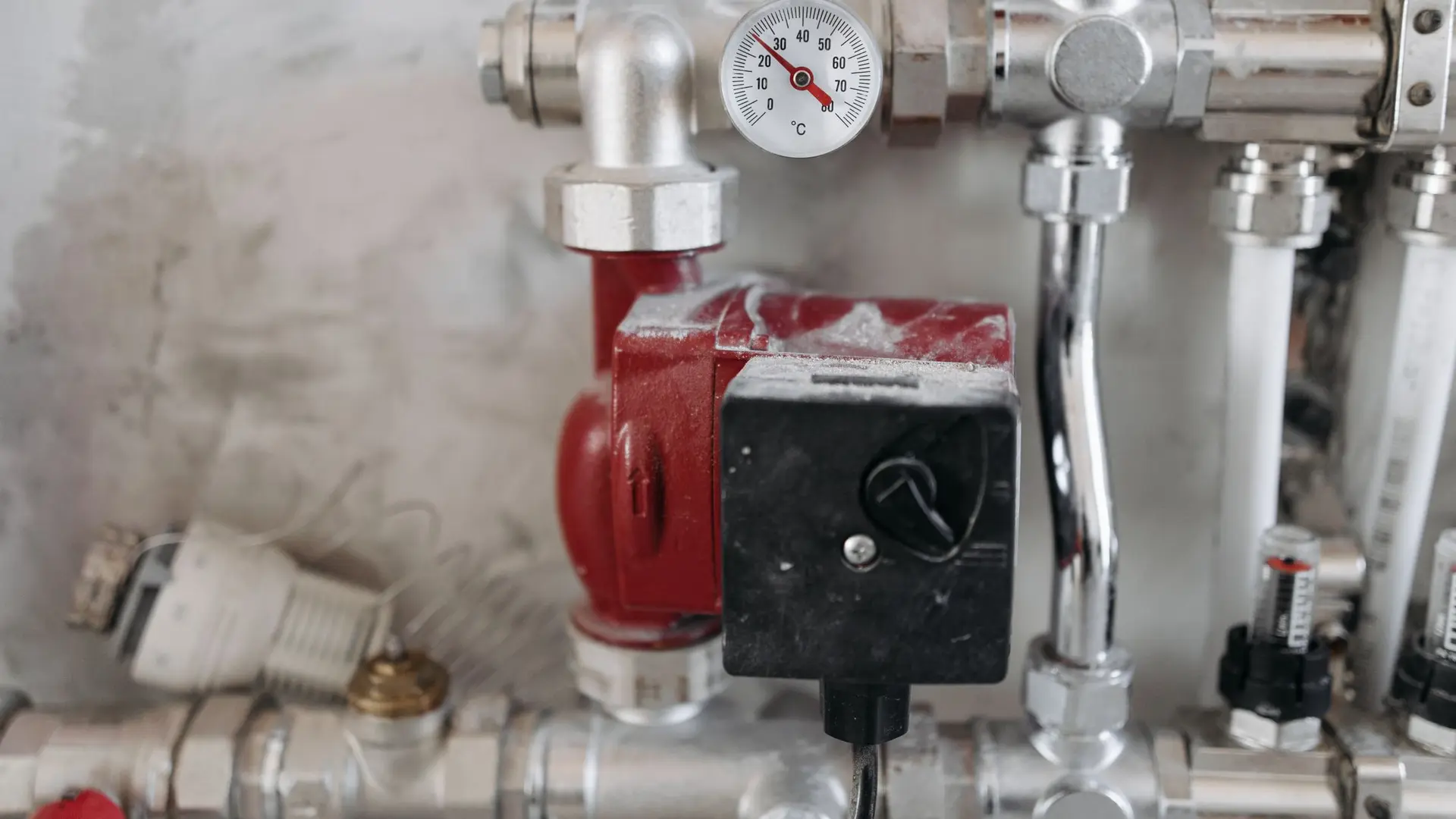
A powerflush connects a high-flow pump unit to the heating circuit, usually in place of the circulating pump or across a radiator's valves. Cleaning chemicals go in to loosen sludge and scale, then water is driven round at a far higher velocity than the boiler's own pump can manage.
That velocity is the point. Magnetite packed into the bottom of a radiator will not move under normal circulation, but it lifts and breaks up when water is forced hard through each panel. The dirty water leaves through a dump hose to a drain and clean mains water takes its place.
02
Signs Your Heating System Needs a Power Flush
Quick Quote OnlineSludge shows itself in a handful of predictable ways. Most people notice the radiators first, but the boiler usually gives warnings too.
- Radiators warm at the top but cold along the bottom
- A boiler that kettles, bangs or rumbles when it fires
- Black or brown water when you bleed a radiator
- Rooms taking much longer to heat up than they used to
A cold patch at the top of a radiator is usually trapped air and just needs bleeding. A cold band along the bottom, with dark water from the bleed valve, points to sludge. So do repeated boiler repairs on the same pump or heat exchanger.
03
How the Power Flushing Process Works
We check the boiler, take a water sample and connect the pump unit into the circuit. A cleaning chemical is added and circulated through the whole system while it warms. At intervals the flow is reversed, which dislodges debris that has settled against the normal direction of circulation.
Then each radiator is isolated in turn, so the full flow passes through that one panel while we tap along it to free stubborn deposits. Dirty water is dumped to drain until it runs clear. Last, the chemical is flushed out, a corrosion inhibitor is dosed and a magnetic filter is fitted or cleaned on the boiler return.

04
Benefits for Radiators, Boilers and Efficiency
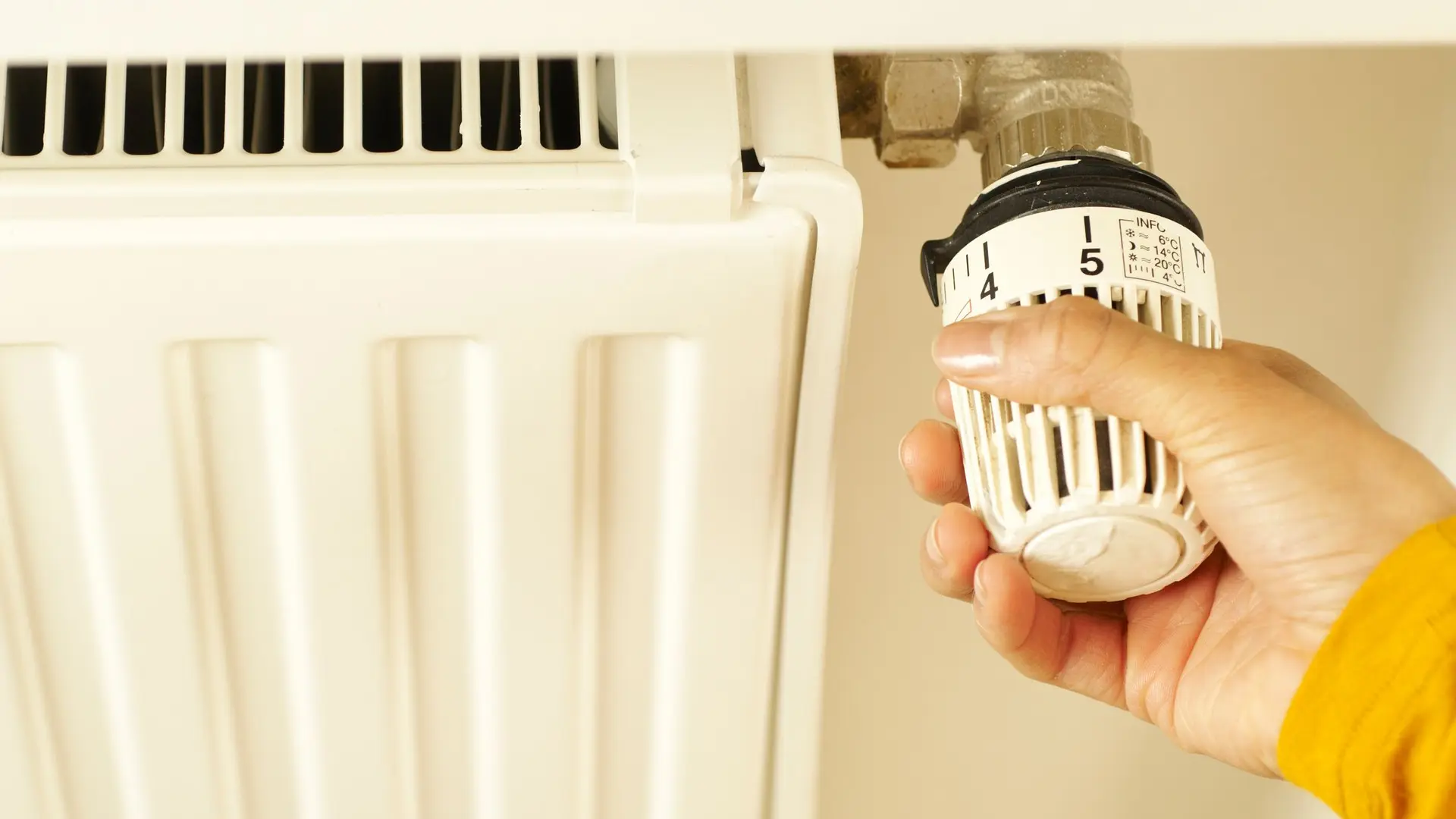
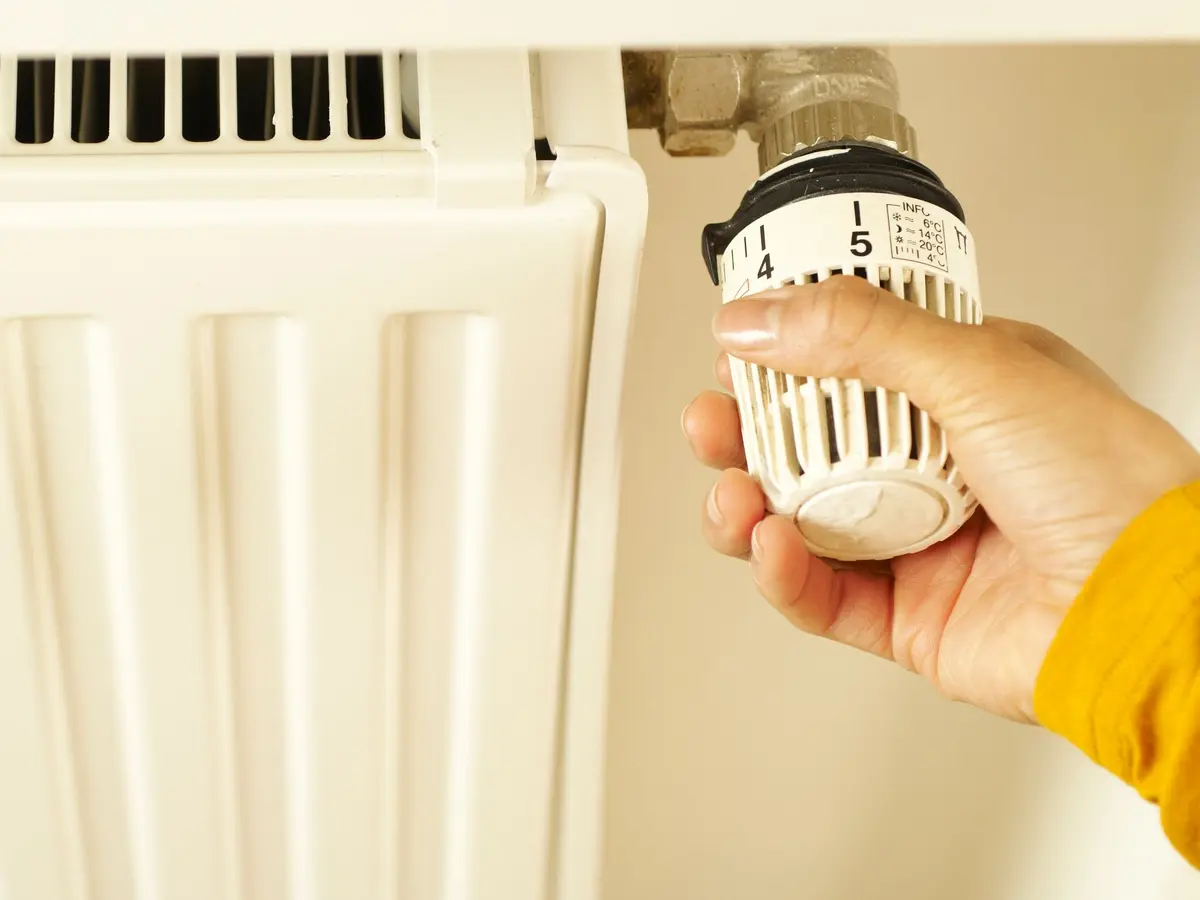
With the sludge gone, hot water reaches the whole face of each radiator again, so rooms warm evenly and the far bedroom stops lagging behind the lounge. The pump is no longer pushing against part-blocked pipes, and the heat exchanger stops overheating around deposits, which is what causes the kettling noise.
A clean system also lets the boiler run the way it was designed to. Thermostatic radiator valves respond properly, the boiler cycles less and firing goes quiet. Before a new boiler is fitted, a clean system matters just as much, as many manufacturers ask for one as a condition of their warranty.
05
Fixed Prices, Quotes and Booking
Quick Quote OnlineYou get a written fixed price before any work starts. It depends on three things: how many radiators you have, what type of system it is (combi, system boiler with a cylinder, or open-vented with a feed and expansion tank in the loft), and the condition we find when we look at the water and radiators.
Chemicals, inhibitor and a magnetic filter, if you do not have one yet, are listed as separate lines so you can see where the money goes. Nothing is added on the day. To book, use the Quick Quote Online form and tell us the radiator count and the symptoms you have noticed.
06
Areas Covered and Local Engineer Availability
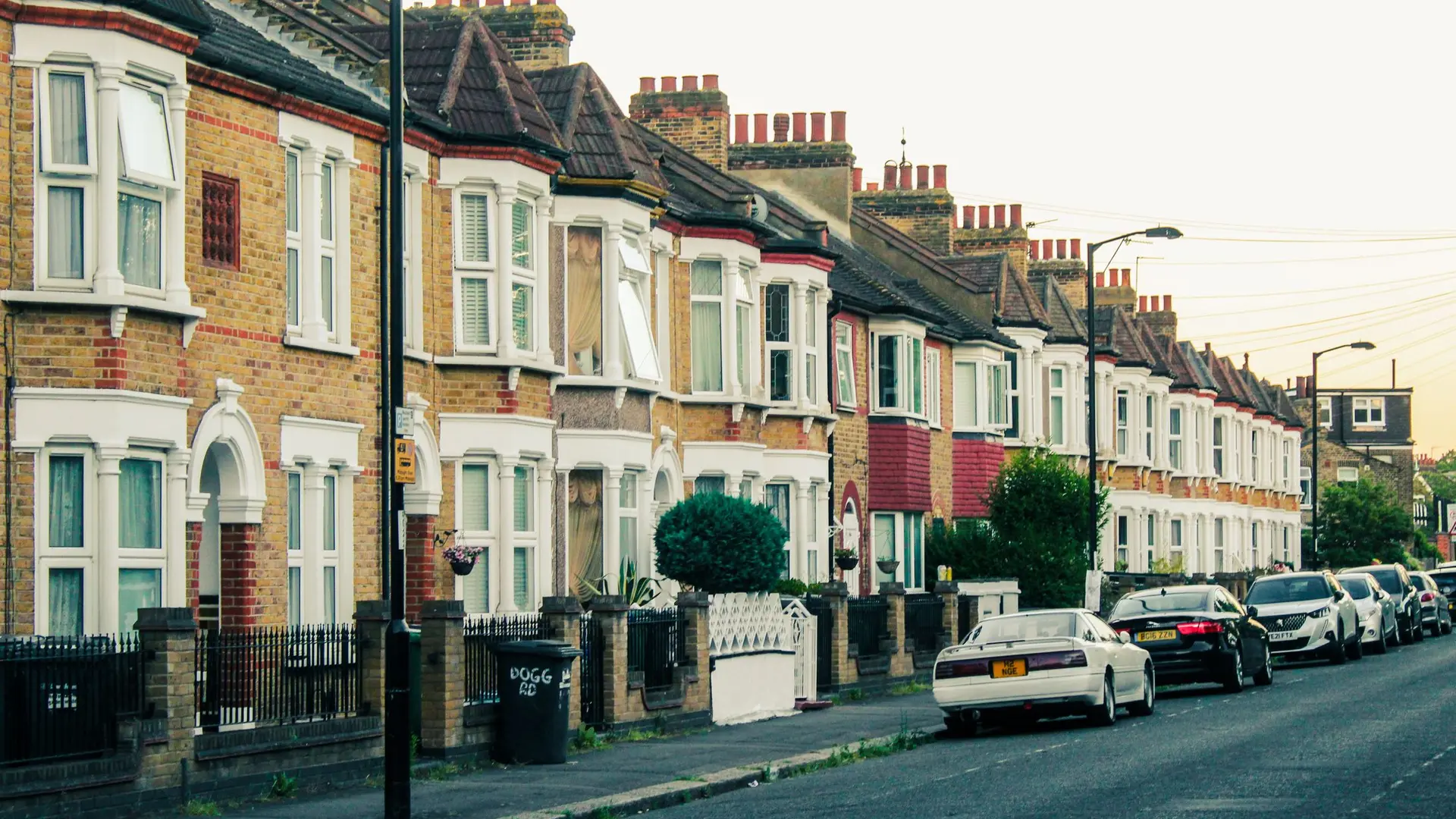
We carry out power flushing across London and the surrounding towns. East London keeps us busy: the older E15 streets of Stratford have Victorian terraces with original steel radiators, while newer E20 flats have modern systems that still clog when the inhibitor was never topped up.
Dates depend on the diary and where our engineers are working that week. A power flush takes most of a working day, so it is booked as a planned job rather than squeezed between callouts. Add your postcode to the form and we will offer the dates we have near you.
07
Why Book Your Power Flush With Us
We do not skip steps to save time. Every radiator is flushed on its own, the flow is reversed during the clean, and the water is checked before we start and before we leave. You can see the change yourself as the dump water turns from black to clear.
We also leave the system protected. Inhibitor is dosed to suit your system volume, the magnetic filter is emptied and refitted, and every radiator is bled and rebalanced so heat reaches each room. If a panel is too corroded to save, we tell you and price a radiator replacement as a separate item.
How it works
Our power flush, step by step
Four stages, one working day, and the heating back on before we pack up.
Step 1 of 4
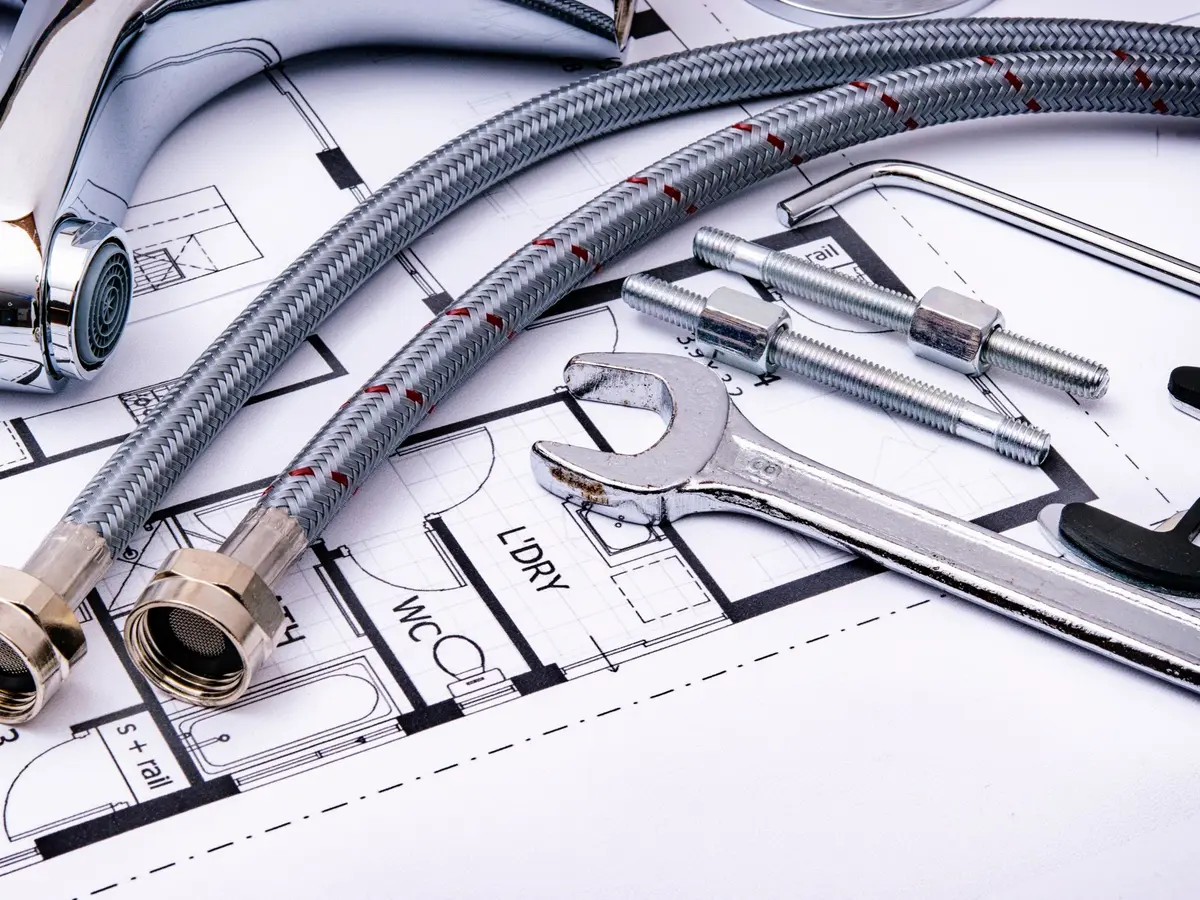
Test the water
We check the boiler, bleed a radiator and look at the colour of the system water to confirm sludge is the problem.
Step 2 of 4
Connect the pump
The flushing unit is plumbed into the circuit and a cleaning chemical is circulated with the flow reversed at intervals.
Step 3 of 4
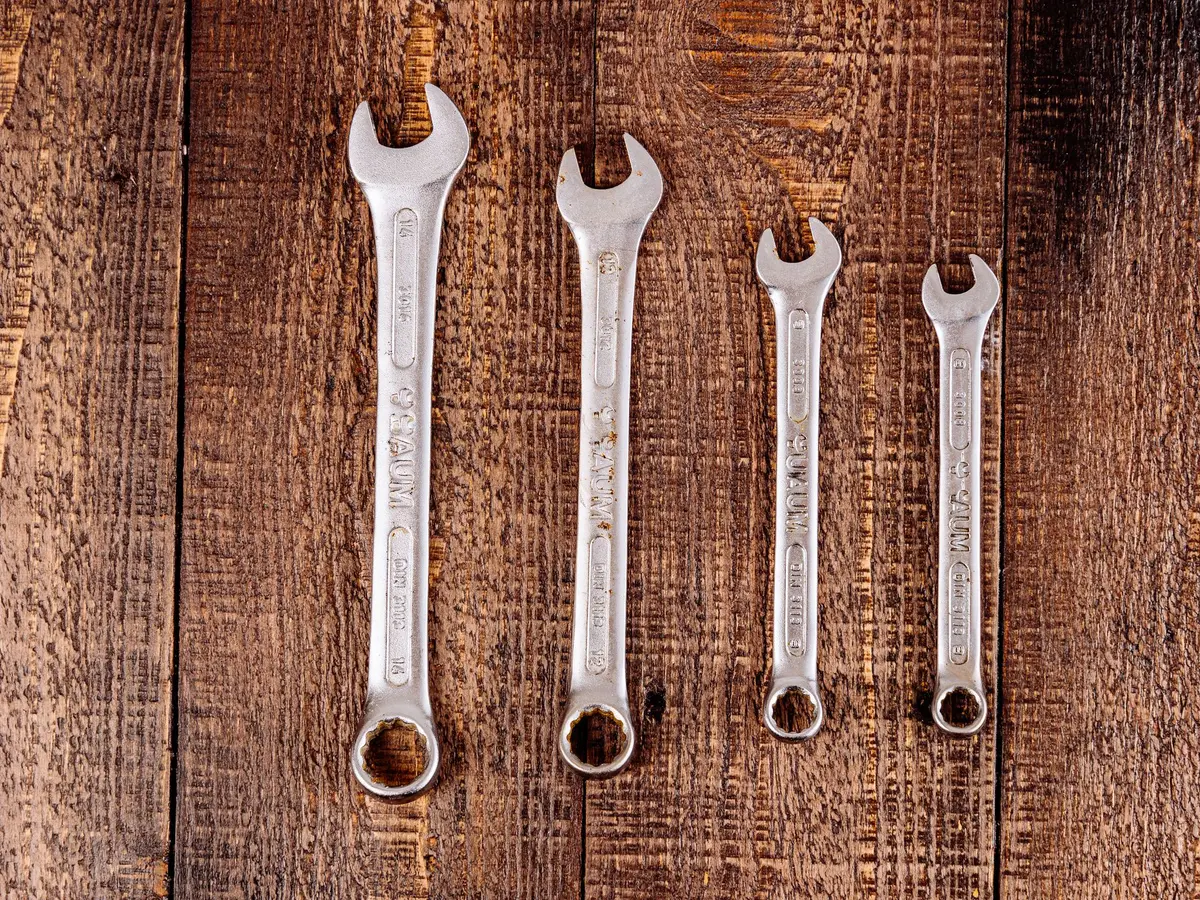
Flush each radiator
Radiators are isolated one by one and flushed until the water dumped to drain runs clear.
Step 4 of 4
Protect the system
We dose inhibitor, fit or clean a magnetic filter, then bleed and balance every radiator.
Cold radiators or a noisy boiler?
Tell us how many radiators you have and what you have noticed, and we will send a Quick Quote.
Quick Quote OnlineRadiators hot to the bottom again, in customers' own words
Gallery
Clean water, warm rooms
The kind of fittings and finished spaces that come with this job. Tap to enlarge.
Areas we cover
Power flushing in east London and beyond
Sludge builds up wherever steel radiators and untreated water meet, and east London has plenty of both. We flush systems in Stratford terraces and in newer flats around Canning Town and Canary Wharf, where systems fitted without a filter can clog within a few years. Further east we work in Barking, Ilford and Romford, and south of the river in Catford, often on interwar semis and post-war homes still running their original radiators.
- London
- City of Westminster
- Islington
- Chelsea
- Battersea
- Holloway
- Brixton
- Peckham
- Fulham
- Archway
- Shepherds Bush
- Canary Wharf
- Stamford Hill
- Willesden
Related work
Jobs that often go with this one
Central Heating Installation
New systems, extended systems and full re-pipes, with radiators sized room by room.
Boiler Service
The yearly strip-down, flue gas reading and safety check that keeps a boiler running right.
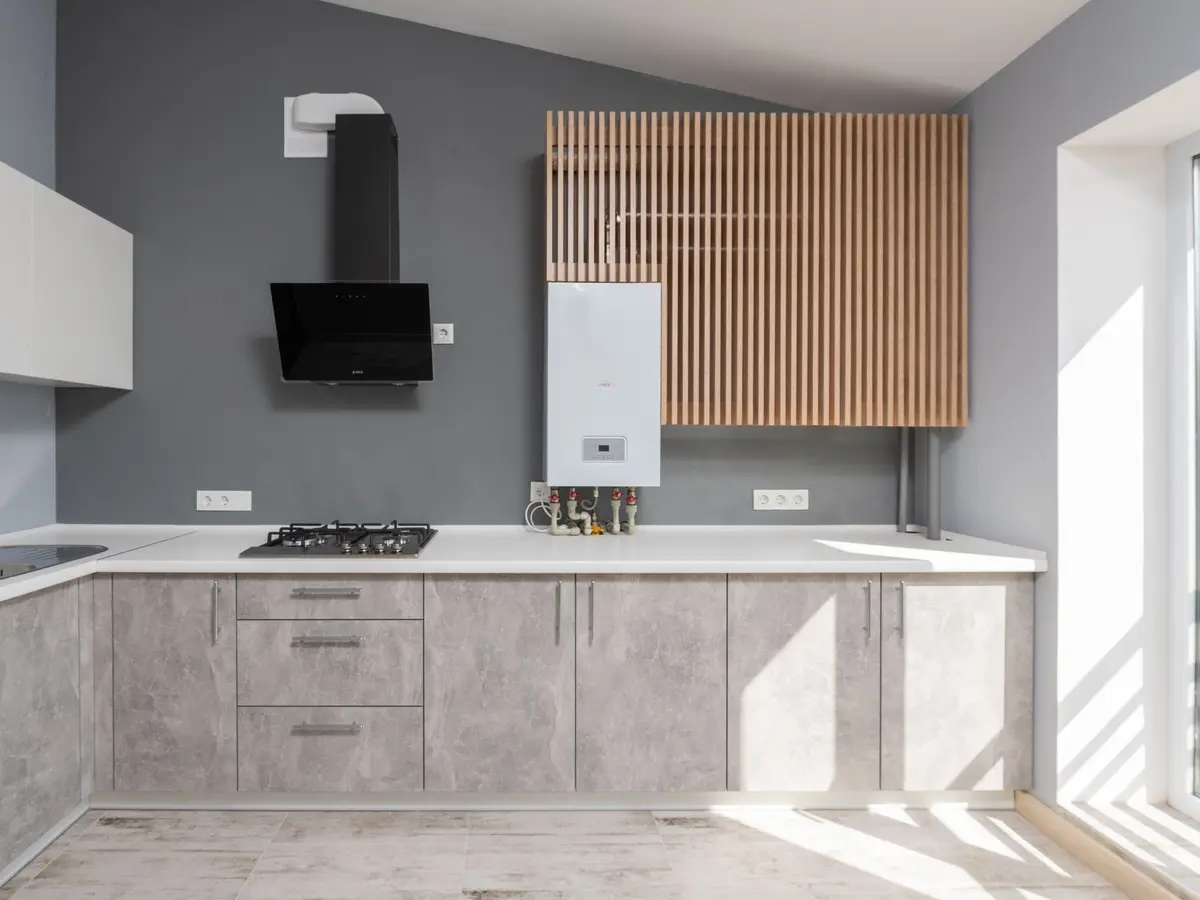
Boiler Replacement
Old boiler out, the right-sized combi, system or regular boiler in, with the system cleaned.
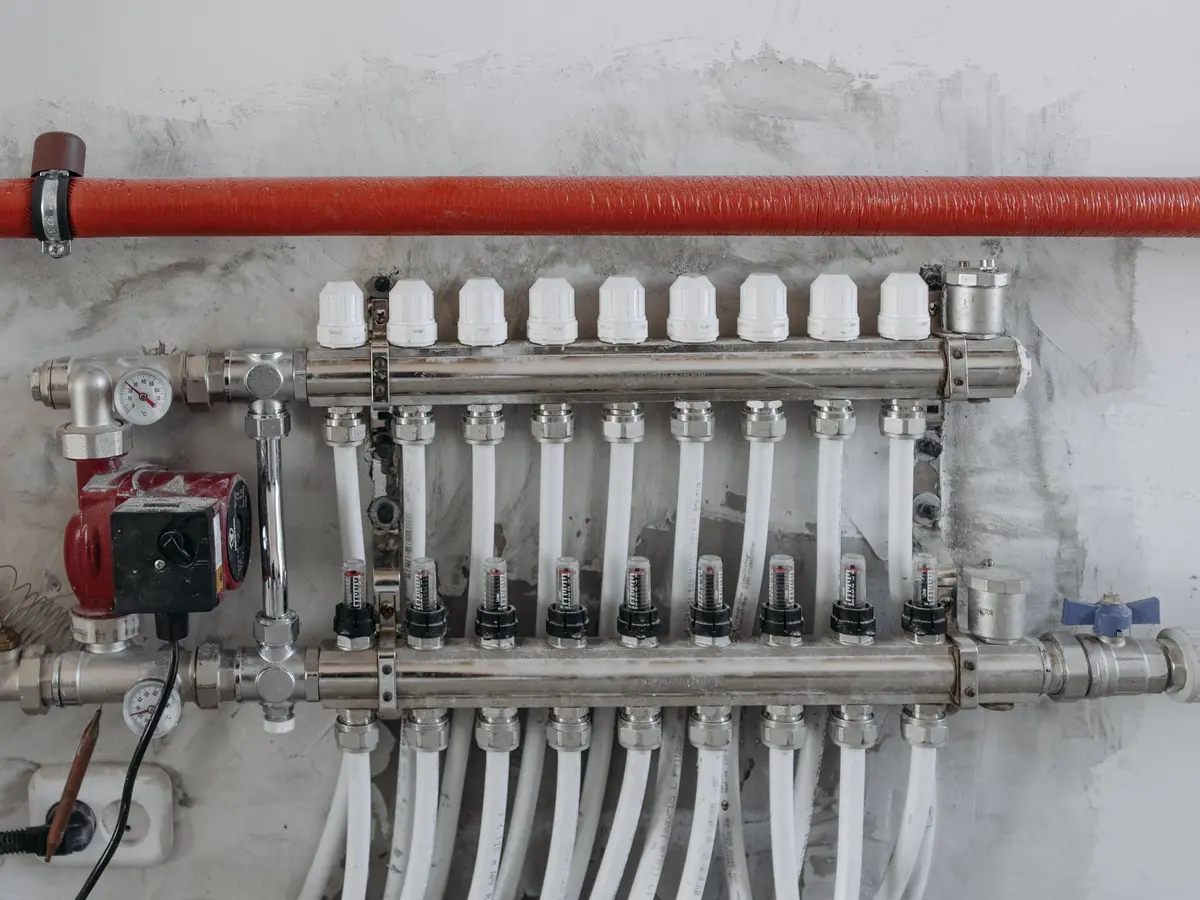
Underfloor Heating Repair and Installation
Wet and electric systems fitted, and cold zones, sticking actuators and manifold faults traced.
Questions
Power Flushing: your questions
How can I tell whether it is sludge or just air in my radiators?
Air collects at the top, so a radiator that is cold across its top edge and hisses when bled usually just needs bleeding. Sludge settles at the bottom, leaving a cold band along the lower half. If bleeding produces dark or black water, the system is carrying magnetite and a flush is worth considering.
Can a power flush cause leaks?
A flush does not damage sound pipework, but sludge sometimes plugs pinholes in a badly corroded radiator or a weak old joint. When the sludge is washed out, that weak spot can start to weep. We inspect radiators before starting, point out any that look doubtful, and deal with any weep on the day before we leave.
Do I need to be at home during the flush?
Someone needs to let us in at the start and be around at the end so we can show you the result. The heating and hot water from a combi will be off for most of the day. We need access to every radiator, so clearing furniture away from them beforehand helps the job run smoothly.
Should I have a power flush before a new boiler goes in?
If the old system is dirty, yes. Connecting a new boiler to pipework full of sludge sends that debris straight into a new heat exchanger. Many manufacturers ask for the system to be cleaned before they honour their warranty. We check the water on the survey and tell you if a flush is needed.
Can you power flush a microbore system?
Yes, although microbore needs more care. The narrow pipes block solidly rather than partially, so some sections may not clear with flushing alone. We test flow to each radiator first. If a run is fully blocked, we explain the options, which can include replacing that length of pipe.
Quick Quote Online
Quick Quote for a power flush
Tell us the number of radiators, the boiler type and what the heating is doing, and we will price the flush in writing.
- A written price before any work starts
- Gas work by Gas Safe registered engineers
- Plumbing, heating, drains and bathrooms under one roof
- London and the towns around it