
Radiators and valves
Radiator Repair and Replacement in London
Leaking valves fixed, cold radiators brought back to life and old panels swapped for new ones that fit your pipework.
- Gas Safe registeredAll gas work done by registered engineers
- Written price firstLabour and parts agreed before work starts
- London-wideThe city and towns within about 20 miles
- Job recordsPhotos and a written record on completion
What you get
Radiator Repair and Replacement: how we work
A radiator that drips, stays cold or will not turn off is usually a small job, but left alone it can mark a ceiling or leave a room unusable in winter. G&B Gas Safe handles radiator repairs across London, from a weeping valve gland to a panel that has rusted through along its seam.
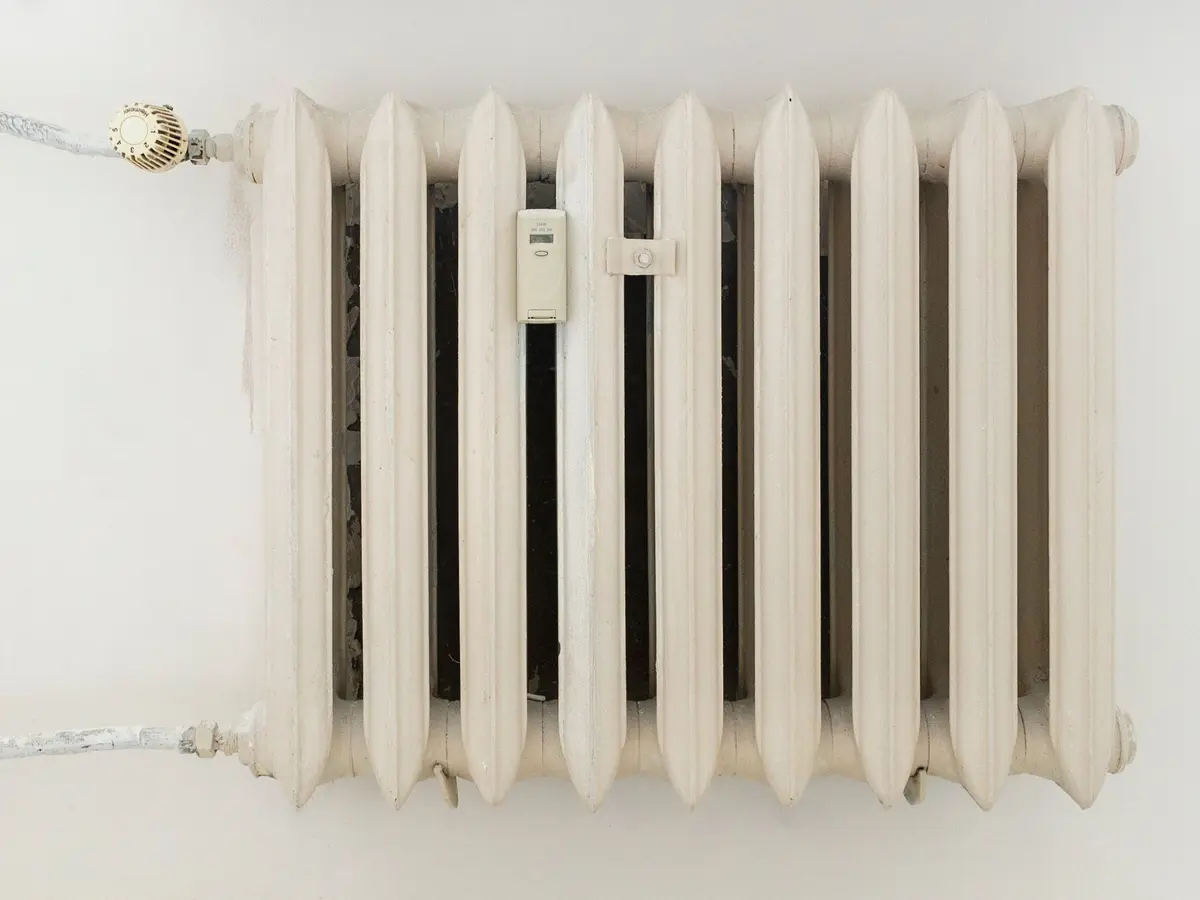
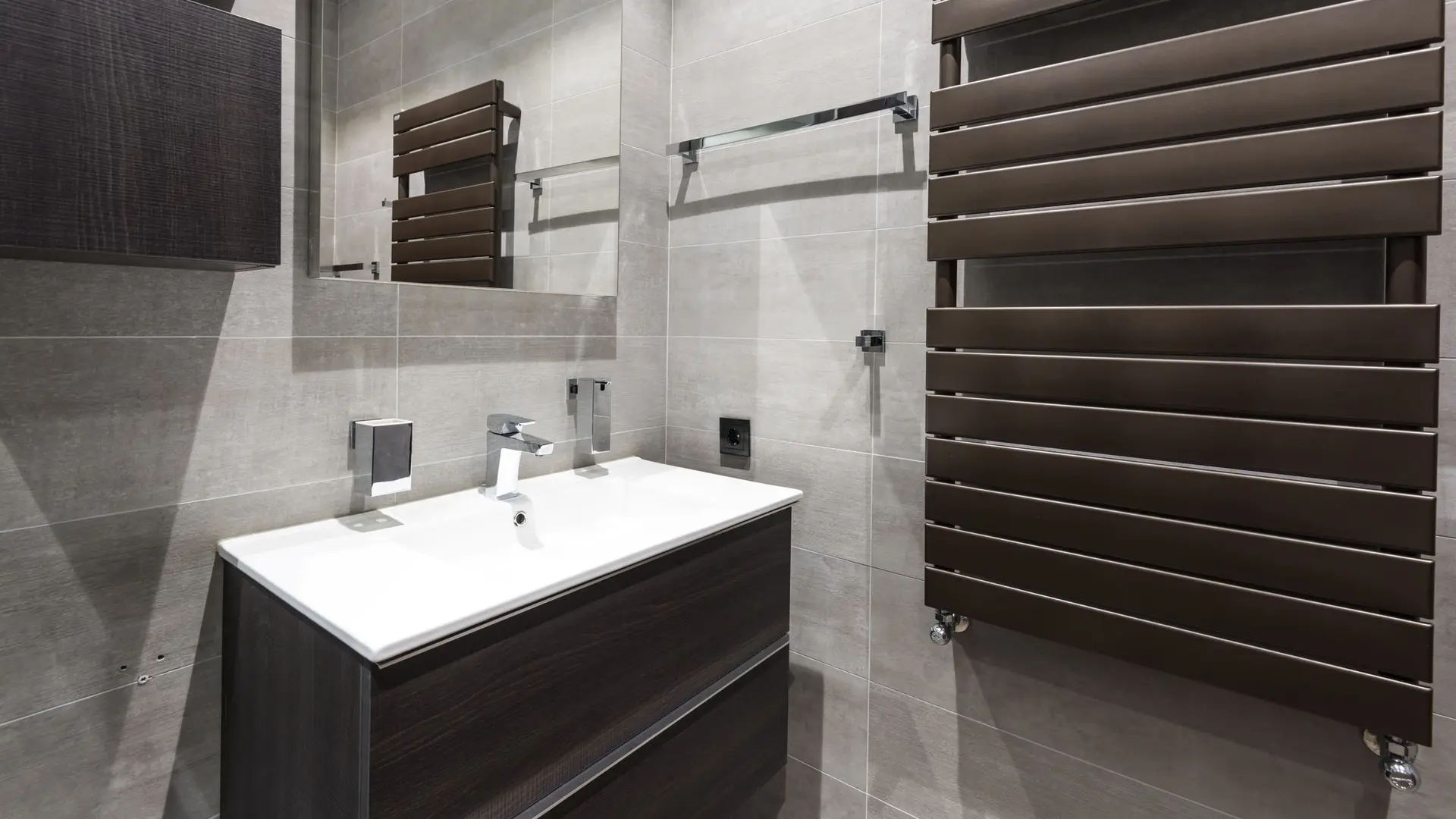
When repair stops making sense, we move on to radiator replacement. That can be a like-for-like swap on the same pipe centres, a cast-iron style column radiator for a period front room, or a heated towel rail in the bathroom. If water is turning up somewhere and you cannot find the source, leak detection comes first.
01
What We Repair on Radiators
Most radiator faults fall into a short list. Valves weep at the spindle or the tail, compression joints loosen as pipes expand and contract, and the pin inside a thermostatic valve sticks after a summer switched off. Corrosion eventually thins the steel until pinholes appear along the bottom or at the welded seams.
- Leaking valves and weeping joints
- Stuck TRV pins
- Cold spots at the top or bottom
- Corroded or pinholed panels
- Radiators out of balance with the rest of the house
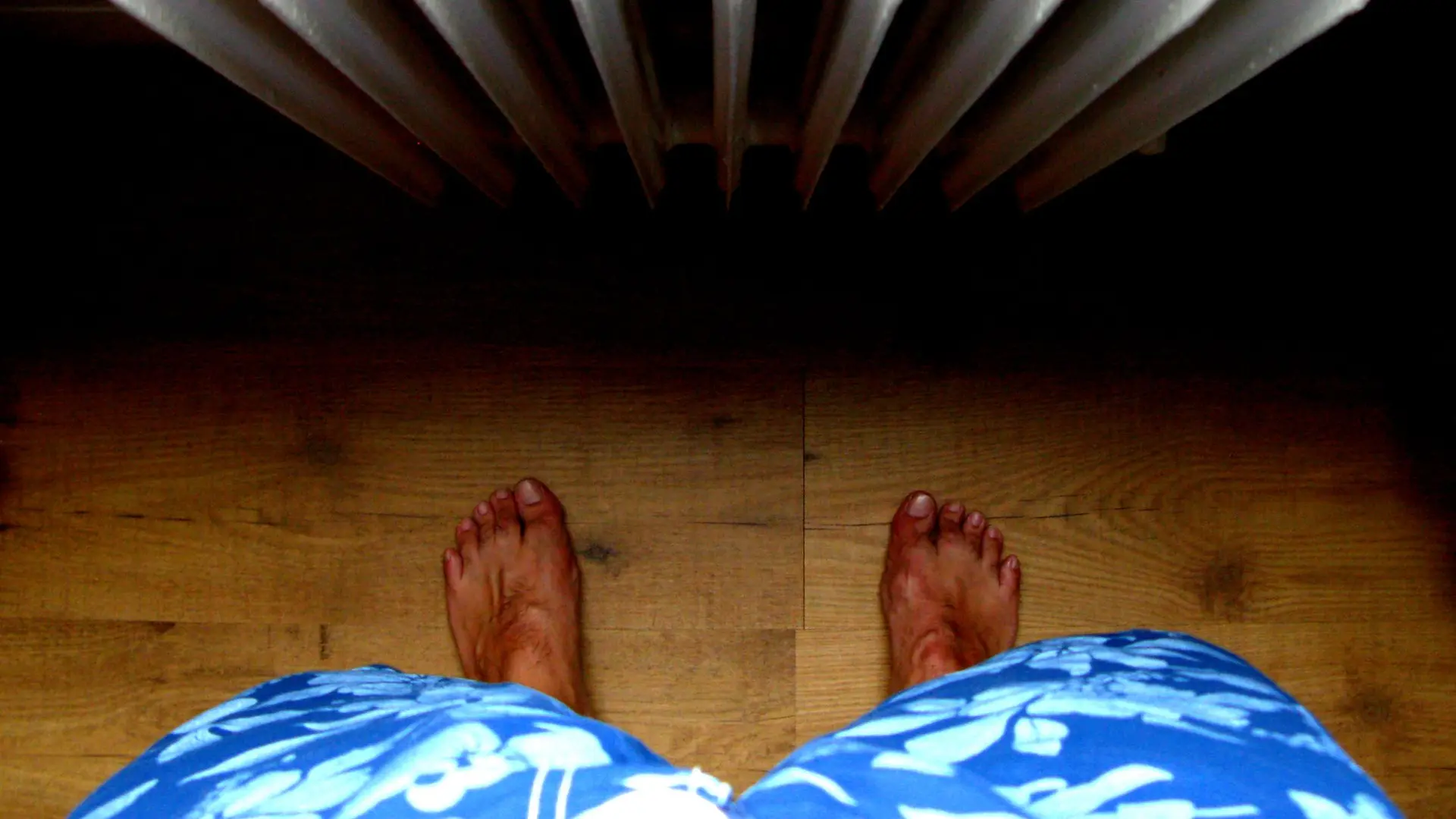
Cold spots need a diagnosis first. Cold at the top is air; cold at the bottom is sludge, which a power flush clears across the whole system.
02
Replacing and Upgrading Radiators
Quick Quote OnlineThe simplest swap is like-for-like. We measure the pipe centres of the old radiator and find a new one that lines up, so the existing tails can be reused without lifting floorboards. If the new panel is a different width, the tails are adjusted neatly rather than bent to fit.
Upgrades are just as common. Column radiators suit the tall rooms of Victorian houses and give more output from a narrow footprint. Towel rails replace the small panel in a bathroom. We also move radiators to free up a wall, running new pipe under the floor to the new position and capping the old tails.
03
Radiator Valves, TRVs and Balancing
Each radiator has two valves. The thermostatic radiator valve (TRV) controls the room temperature by opening and closing as the room warms. The lockshield on the other side sets how much water the radiator is allowed to take, and it is the valve most people never touch.
When radiators near the boiler roast while those at the far end stay lukewarm, the system needs balancing. We open all the valves, measure the temperature drop across each radiator and set every lockshield so the heat is shared out. Old TRVs with seized heads or cracked bodies are replaced at the same time.
04
How a Radiator Job Runs on the Day
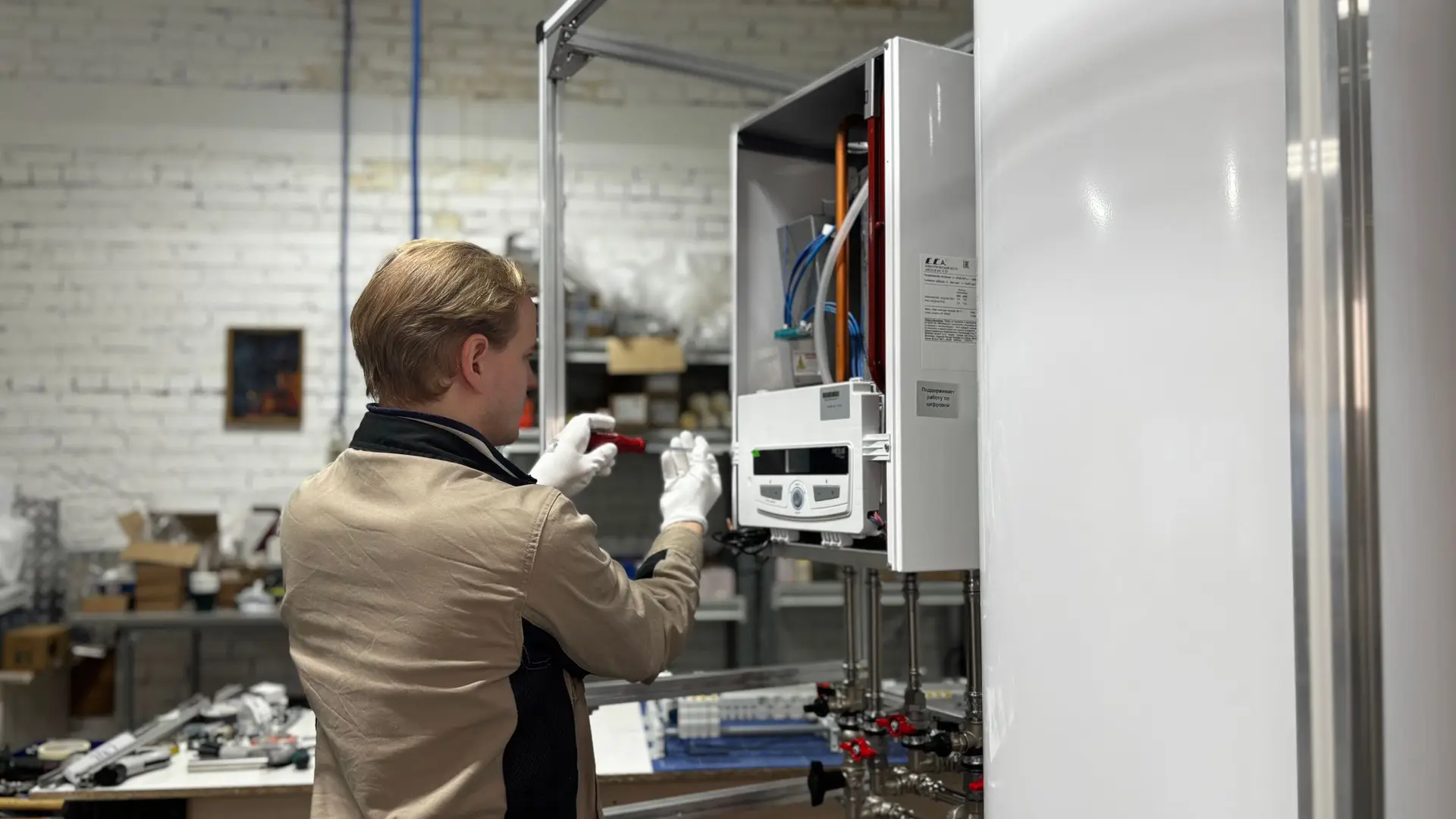
For a single valve or radiator swap we often avoid draining the whole system. A freeze kit forms an ice plug in the pipe either side, so we can work on one radiator while the rest of the circuit stays full. For larger jobs, or where pipes are too short to freeze, we drain down properly.
We isolate the radiator, dust sheets go down, and the old panel comes off its brackets. After the new one is fitted, the system is refilled and repressurised, every radiator is bled and we add inhibitor to replace what was lost. We check each joint for weeps before leaving.

05
Radiators in Period London Homes
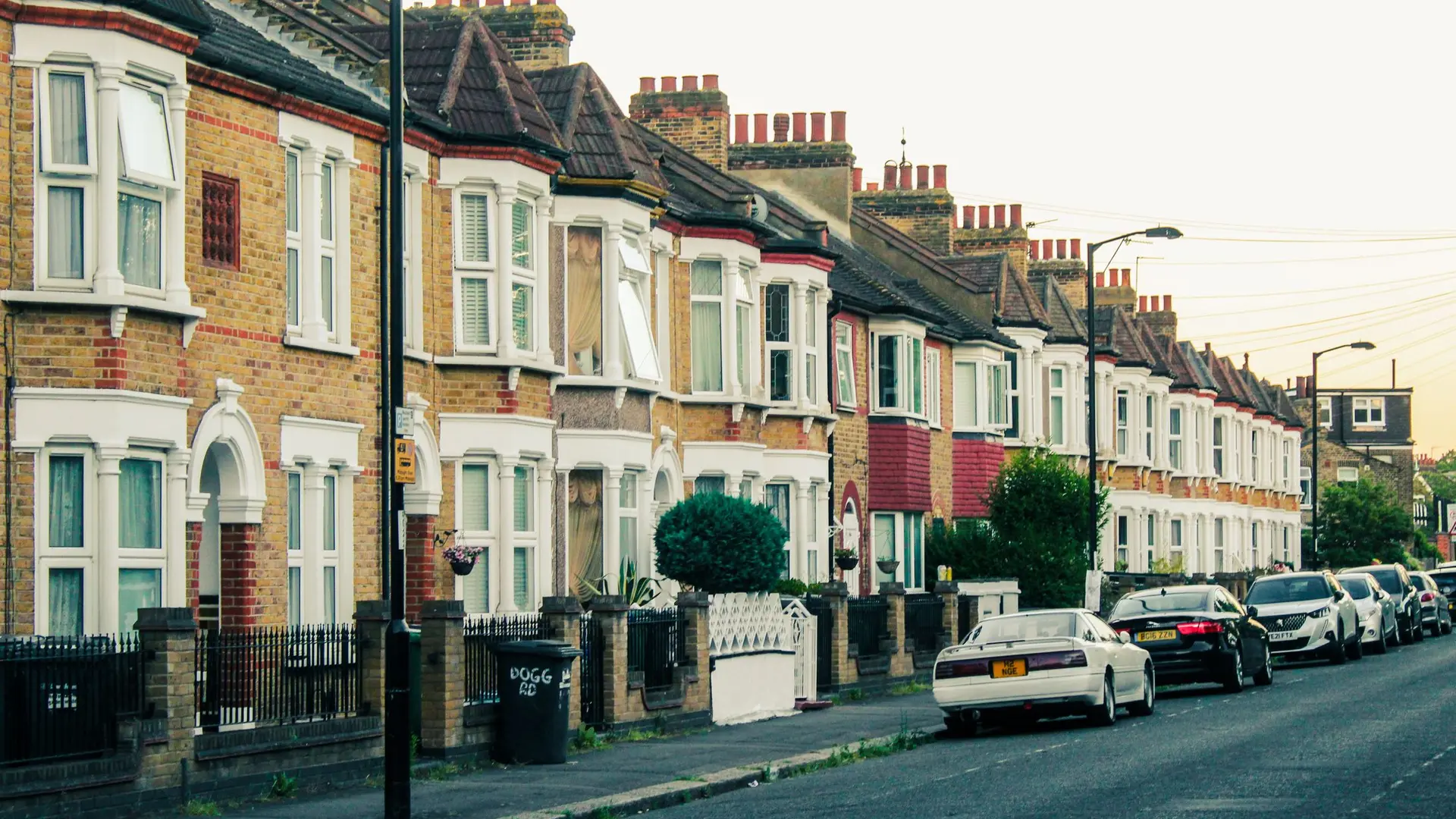
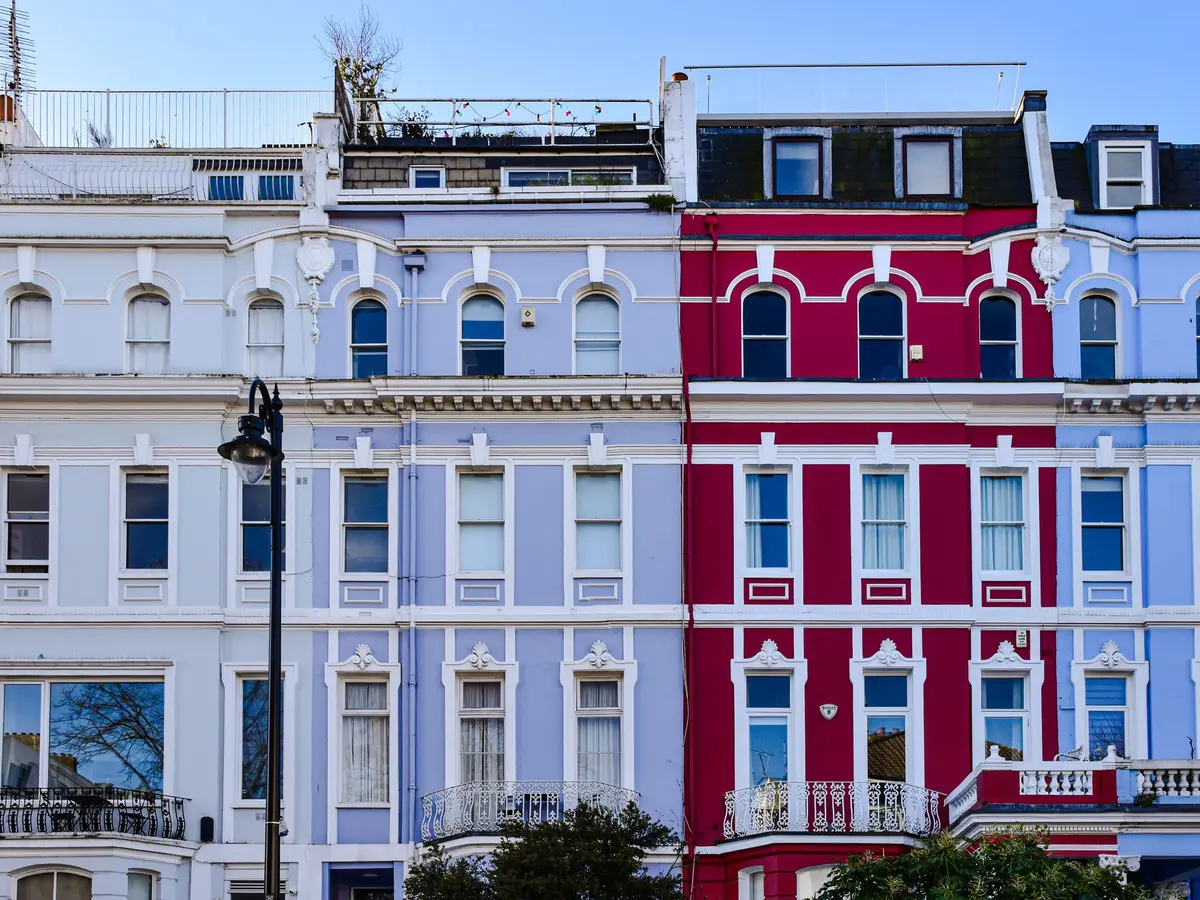
Quick Quote OnlineWith around half of London's housing built before 1945, a lot of the radiators we work on hang in rooms with high ceilings, bay windows and single-glazed sashes. Those rooms lose heat fast, so a replacement is often sized up rather than matched to the tired old panel it replaces.
Period homes bring other quirks too. Pipes may rise through the floor in iron or old copper, fittings may be imperial sizes, and some walls are lath and plaster that need proper fixings for a heavy column radiator. We check all of this before quoting, so the price reflects the actual job.
How it works
From dripping valve to working radiator
A typical radiator visit follows four stages, whether it is a repair or a full swap.
Step 1 of 4
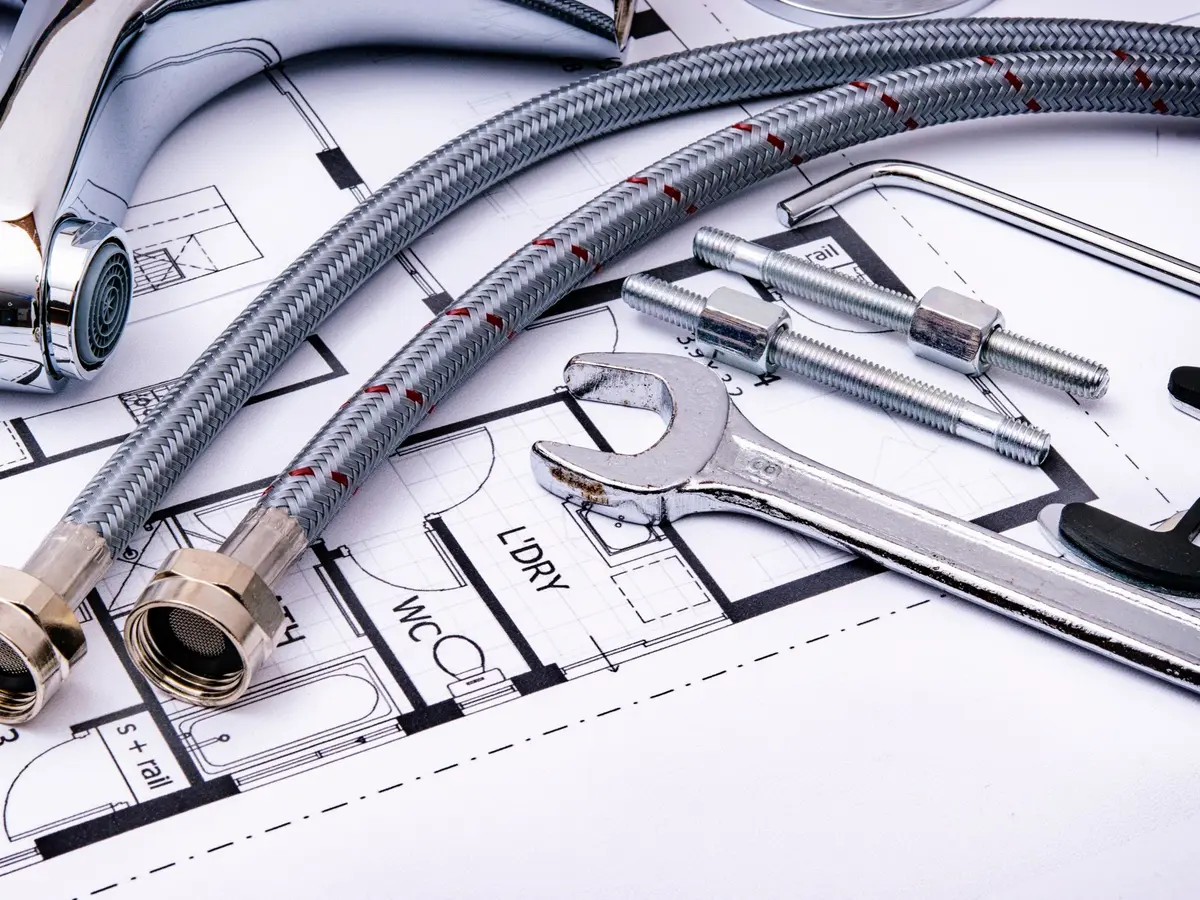
Find the fault
We check the valves, joints and panel, and bleed the radiator to see what the water looks like.
Step 2 of 4
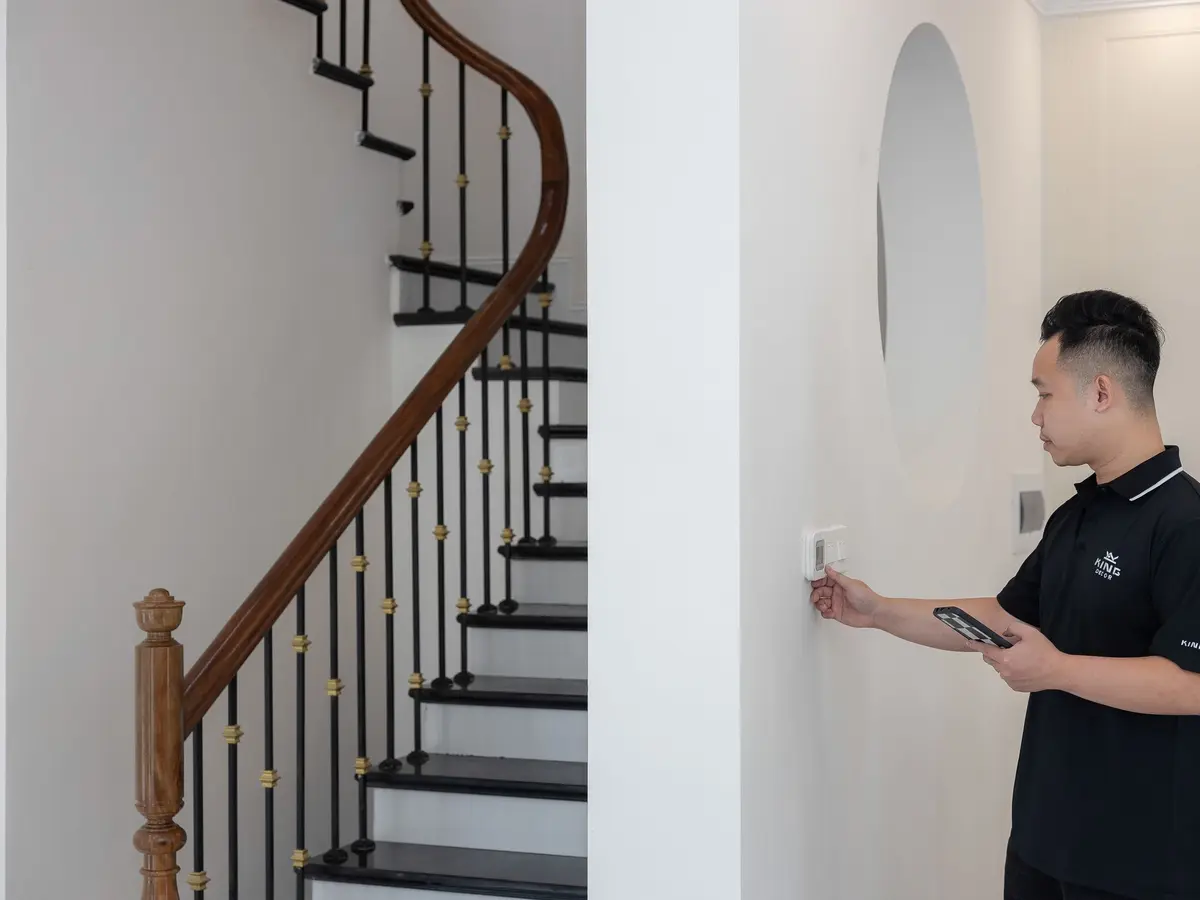
Isolate the radiator
A freeze kit or a drain down lets us work without flooding the floor.
Step 3 of 4
Repair or replace
Valves, joints or the whole panel are changed, with tails adjusted to suit any new radiator.
Step 4 of 4
Refill and bleed
The system is refilled, repressurised, dosed with inhibitor and every radiator bled.
Radiator leaking or stone cold?
Tell us what the radiator is doing and we will reply with a Quick Quote.
Quick Quote OnlineSmall radiator jobs done properly, according to our customers
Gallery
Panels, columns and valves
Tap any photo to open it full size and swipe through the set.
Areas we cover
Radiator repairs across south London
South London is full of the houses where radiators work hardest. In Brixton we fit panels in mansion-block conversions and two-storey Victorian terraces, while Battersea and Putney have large bay-fronted rooms that suit column radiators. Streatham and Peckham bring plenty of valve and TRV repairs in older conversions, and further out in Wimbledon, Mitcham and Croydon we swap tired panels in interwar semis and post-war homes.
- London
- City of Westminster
- Islington
- Chelsea
- Battersea
- Holloway
- Brixton
- Peckham
- Fulham
- Archway
- Shepherds Bush
- Canary Wharf
- Stamford Hill
- Willesden
Related work
Jobs that often go with this one
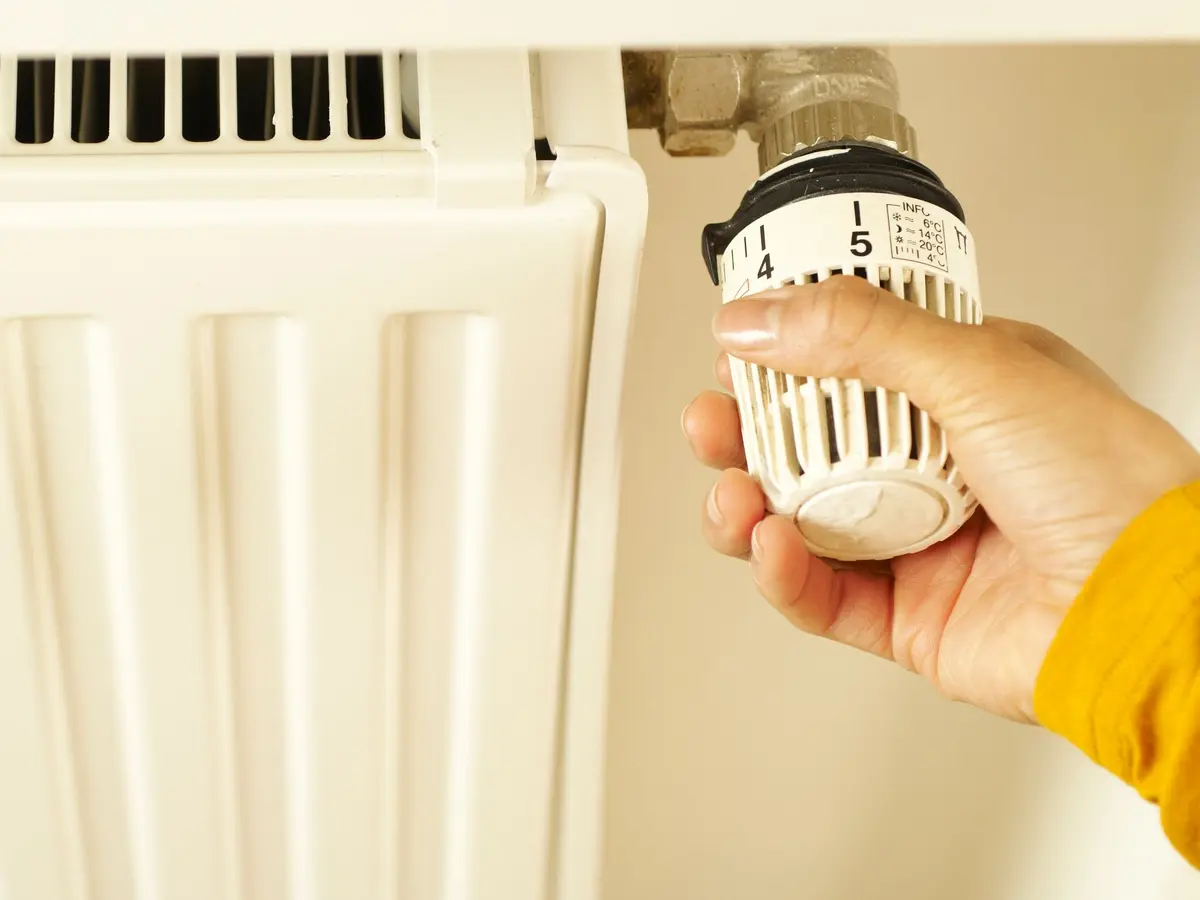
Central Heating Installation
New systems, extended systems and full re-pipes, with radiators sized room by room.
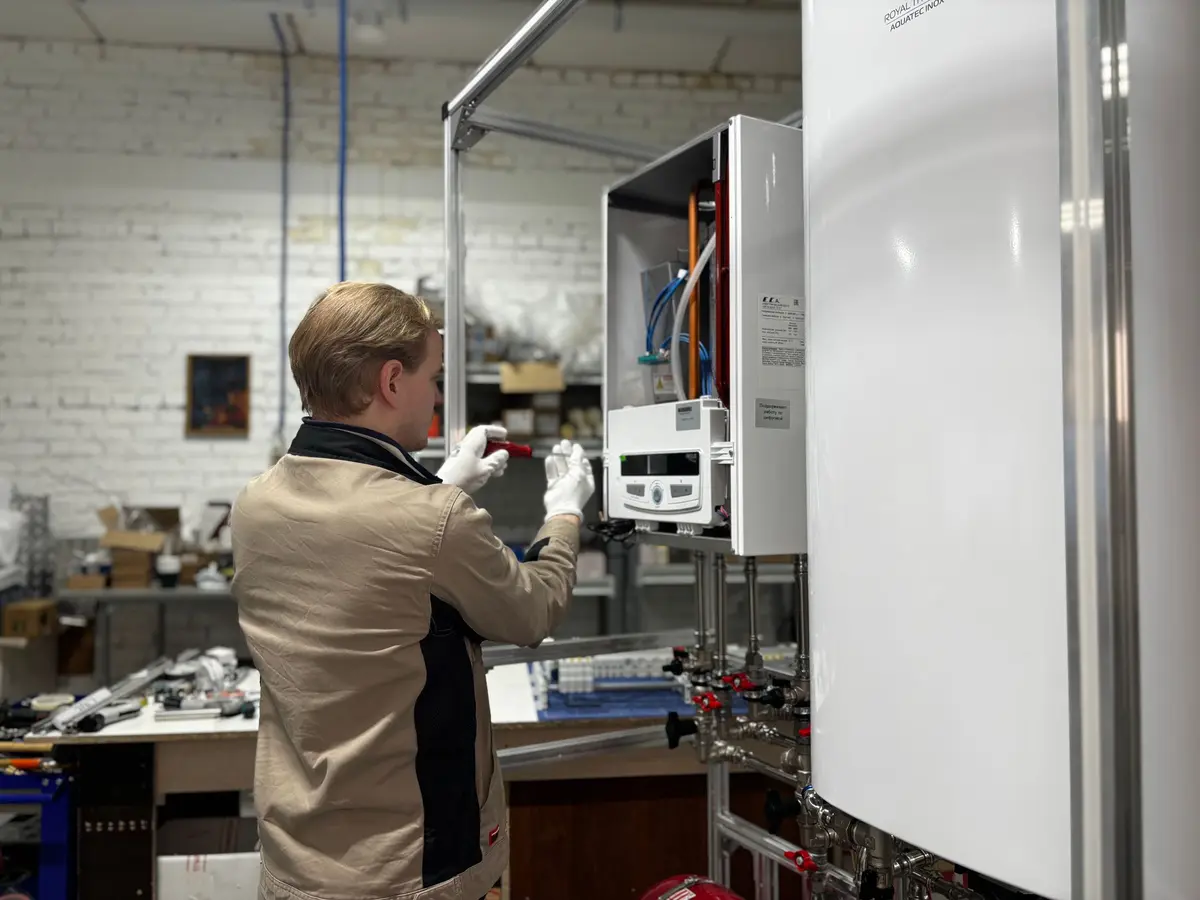
Boiler Repair
Lockouts, fault codes, pressure loss and no hot water diagnosed and put right.
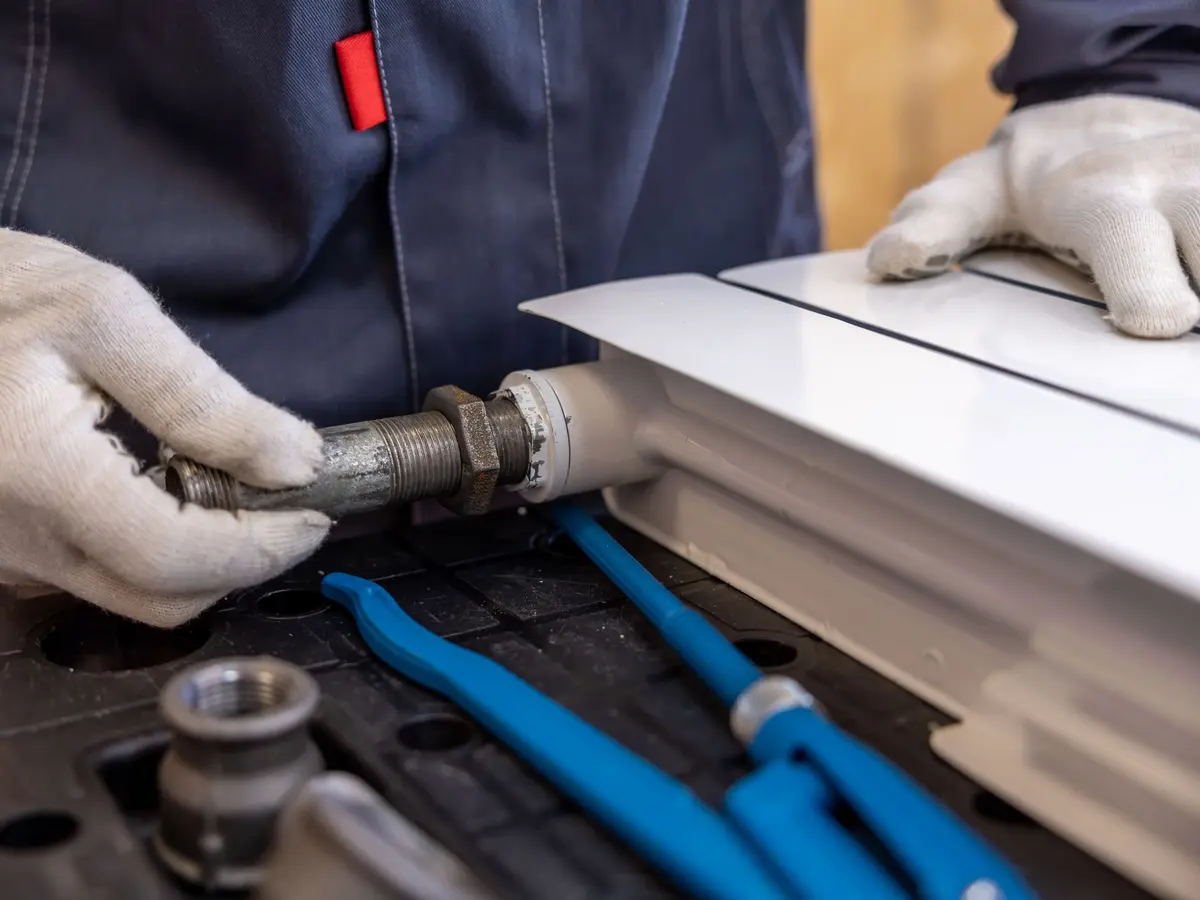
Plumber
Leaking joints, dripping taps, running toilets, new pipe runs and fittings. The everyday plumbing jobs, done properly.
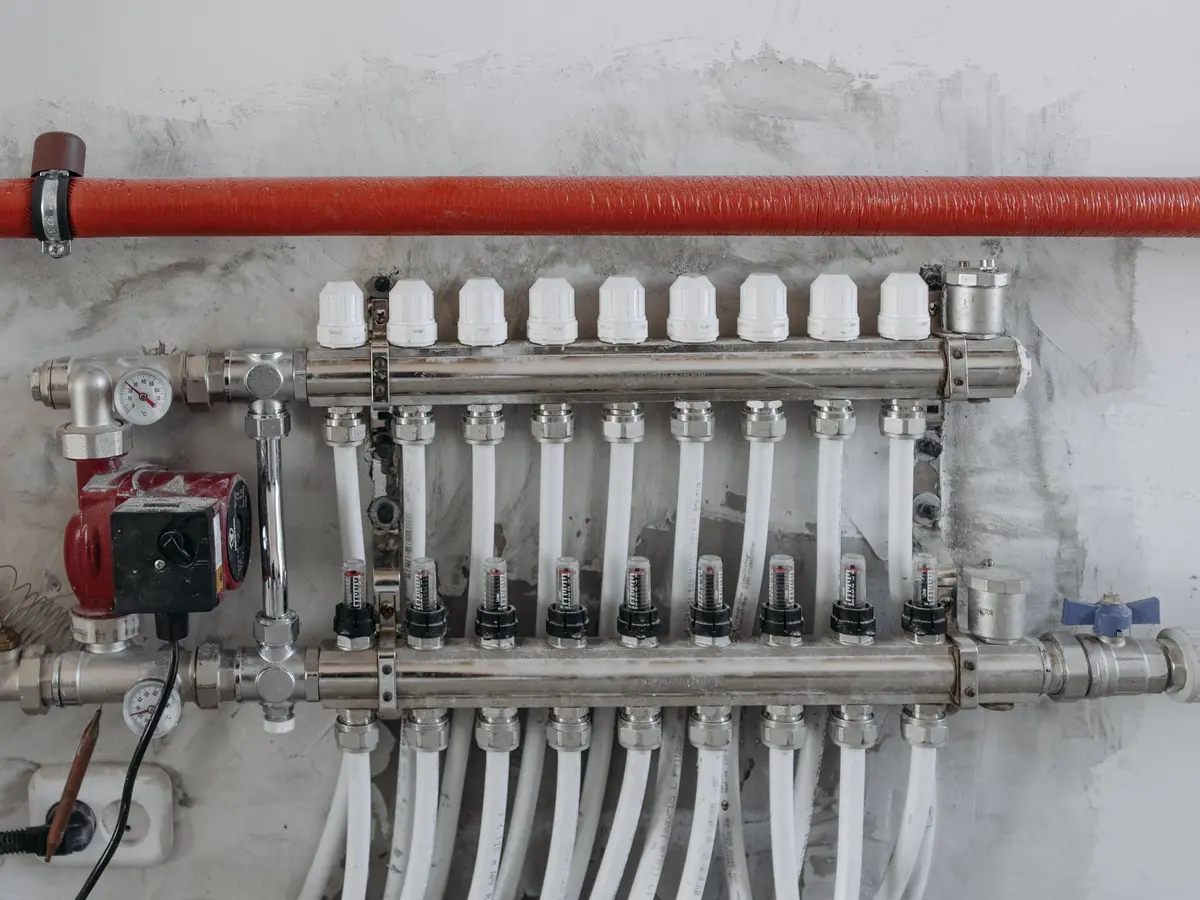
Underfloor Heating Repair and Installation
Wet and electric systems fitted, and cold zones, sticking actuators and manifold faults traced.
Questions
Radiator Repair and Replacement: your questions
Can you replace a radiator without draining the whole system?
Often, yes. A freeze kit creates an ice plug in the pipes feeding the radiator, so we can remove it while the rest of the system stays full. It works on most copper pipe. If pipes are too short, too close to the floor or made of plastic, we drain down instead and refill afterwards.
Why is my radiator cold at the bottom but hot at the top?
That pattern usually means magnetite sludge has settled in the lower channels of the panel. Bleeding will not fix it. A single radiator can sometimes be taken off and flushed outside, but if several radiators show the same pattern, the whole system needs cleaning with a power flush.
Will a new radiator fit my existing pipes?
Radiators come in standard widths, so a like-for-like swap on the same pipe centres is usually possible. If you want a different size or style, we adjust the tails under the floor or at the wall so the pipework looks tidy. We measure on the first visit and confirm before ordering.
My TRV is stuck and the radiator will not turn on. Can it be freed?
Usually. Under the head of a TRV is a small pin that sticks after the heating has been off for a while. Freeing it takes minutes. If the pin is seized solid or the valve body is cracked, we replace the TRV, which can normally be done with a freeze kit rather than a full drain down.
Quick Quote Online
Quick Quote for radiator work
Tell us how many radiators are involved and whether you need a repair, a swap or a new position.
- A written price before any work starts
- Gas work by Gas Safe registered engineers
- Plumbing, heating, drains and bathrooms under one roof
- London and the towns around it