
Wet and electric UFH
Underfloor Heating Repair and Installation in London
Warm floors fitted to suit your subfloor, and faults on existing systems traced from the manifold to the thermostat.
- Gas Safe registeredAll gas work done by registered engineers
- Written price firstLabour and parts agreed before work starts
- London-wideThe city and towns within about 20 miles
- Job recordsPhotos and a written record on completion
What you get
Underfloor Heating Repair and Installation: how we work
Underfloor heating spreads gentle warmth across the whole floor rather than pushing hot air up from a radiator. It frees up wall space and suits kitchens, bathrooms and open-plan extensions. G&B Gas Safe fits both wet systems, which run on water from your boiler, and electric mats, which suit a single bathroom or small room.
We also repair systems other people installed. Underfloor heating installation mistakes often show up later as a zone that never warms or a manifold that ticks and clicks all night. Because a wet system is part of your wider central heating installation, we look at the boiler, pump and controls together rather than treating the floor in isolation.
01
Wet and Electric Underfloor Heating Explained
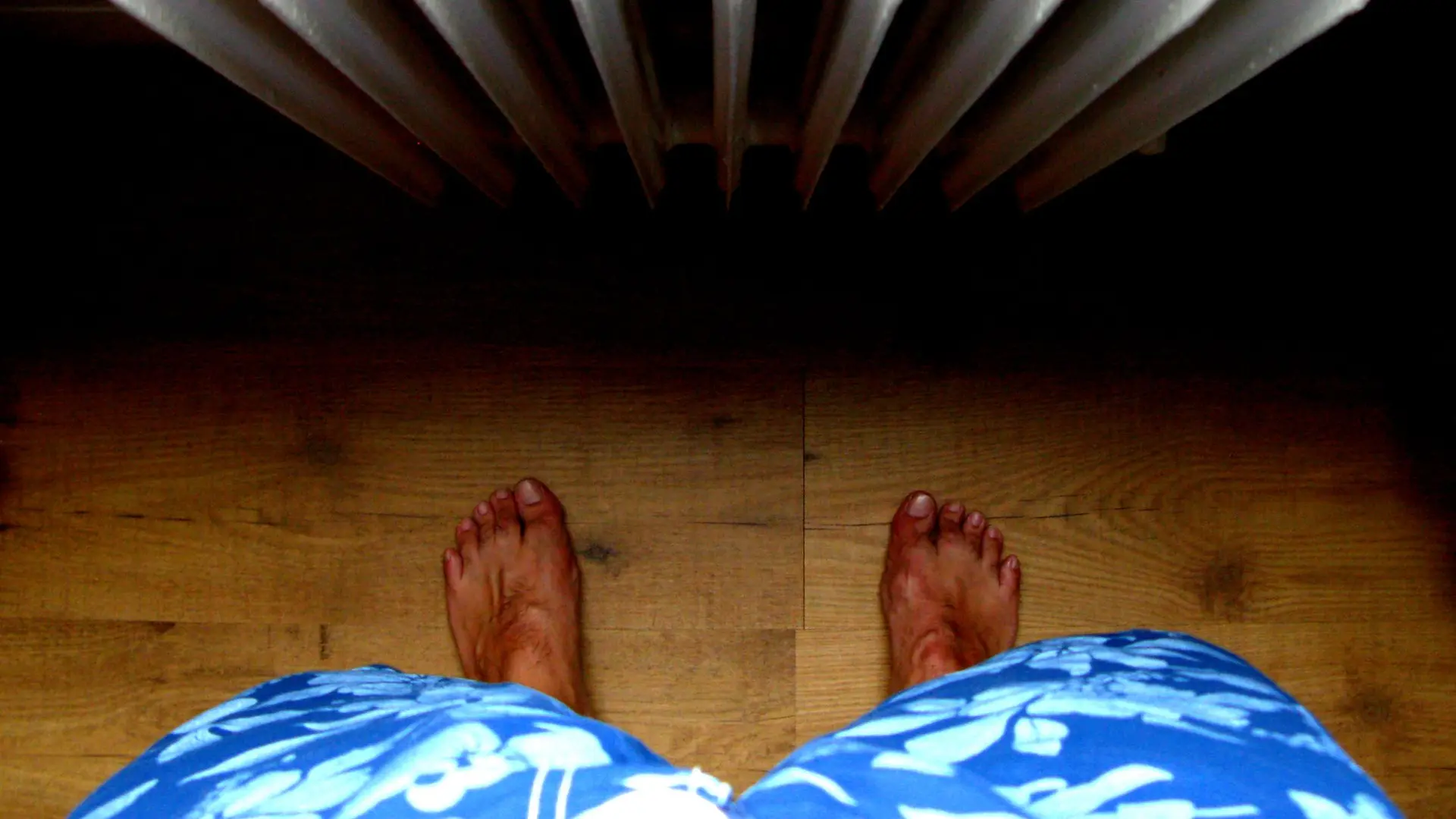
Wet underfloor heating uses loops of plastic pipe laid in the floor and fed with warm water from a manifold. It runs at a lower water temperature than radiators, and it pairs well with a condensing boiler or a heat pump. It suits larger areas, whole floors and new extensions.
Electric underfloor heating uses thin heating mats or cables laid under the floor finish. It costs less to put in and is quick to fit, so it is common under bathroom tiles. Running costs are higher per square metre, which is why it is usually kept to small rooms.
02
Underfloor Heating Installation
Quick Quote OnlineThe subfloor decides the method. On a concrete slab, pipes are clipped to insulation and covered with screed, which gives an even heat but adds depth and drying time. On timber floors, or where height is tight, we use overlay or low-profile boards with channels for the pipe, finished with the floor covering directly on top.
Every wet system is run from a manifold with a pump and mixing valve, split into zones with their own thermostats. We check the floor finish too, as thick carpet and underlay hold heat back while tile, stone and engineered boards pass it through well.
- Screed systems for new slabs and extensions
- Overlay boards for timber floors
- Manifold, pump and mixing valve
- Zoned room thermostats
03
Underfloor Heating Repair
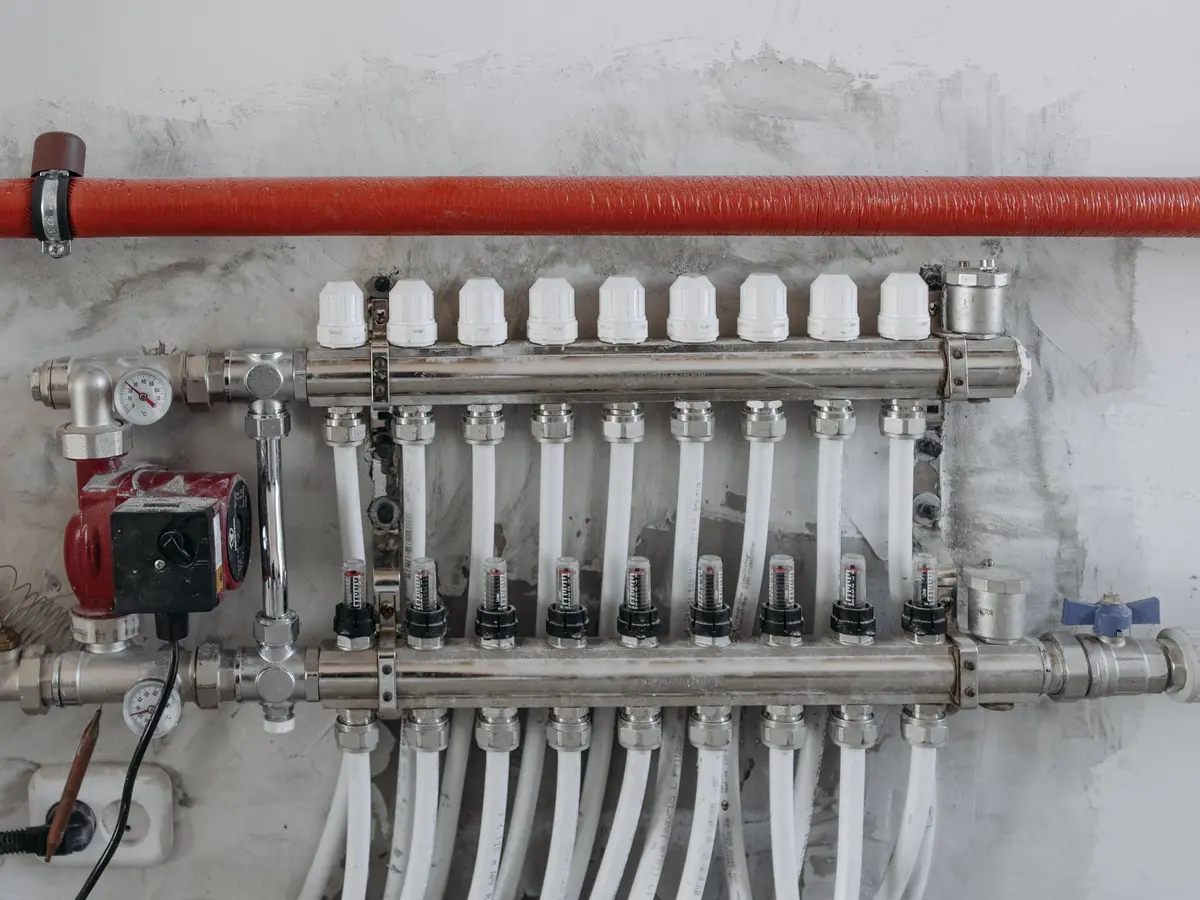
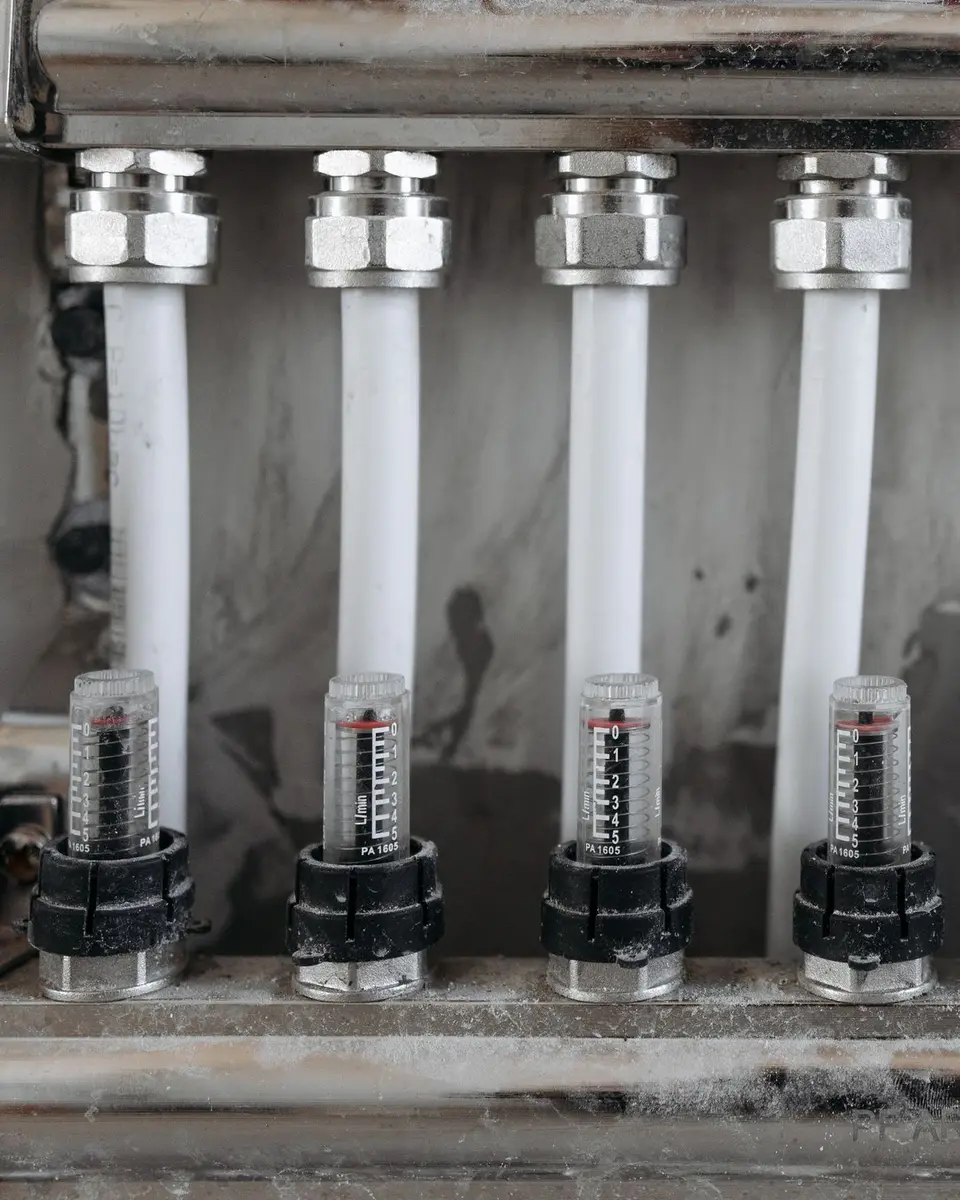
Our underfloor heating repair work starts at the manifold. A failed actuator on one port will keep a zone cold, a pump that has stopped leaves the whole floor cold, and a stuck mixing valve can send water that is too cool or too hot. Wiring centre and thermostat faults are also common, especially after decorating.
Air in the loops is another frequent culprit, cleared by purging each circuit in turn. For electric systems, we test mat resistance and insulation to find damage, often caused by a nail or a tile cutter. Each repair ends with a test run to prove every zone heats.

04
Retrofitting Underfloor Heating in Period London Homes
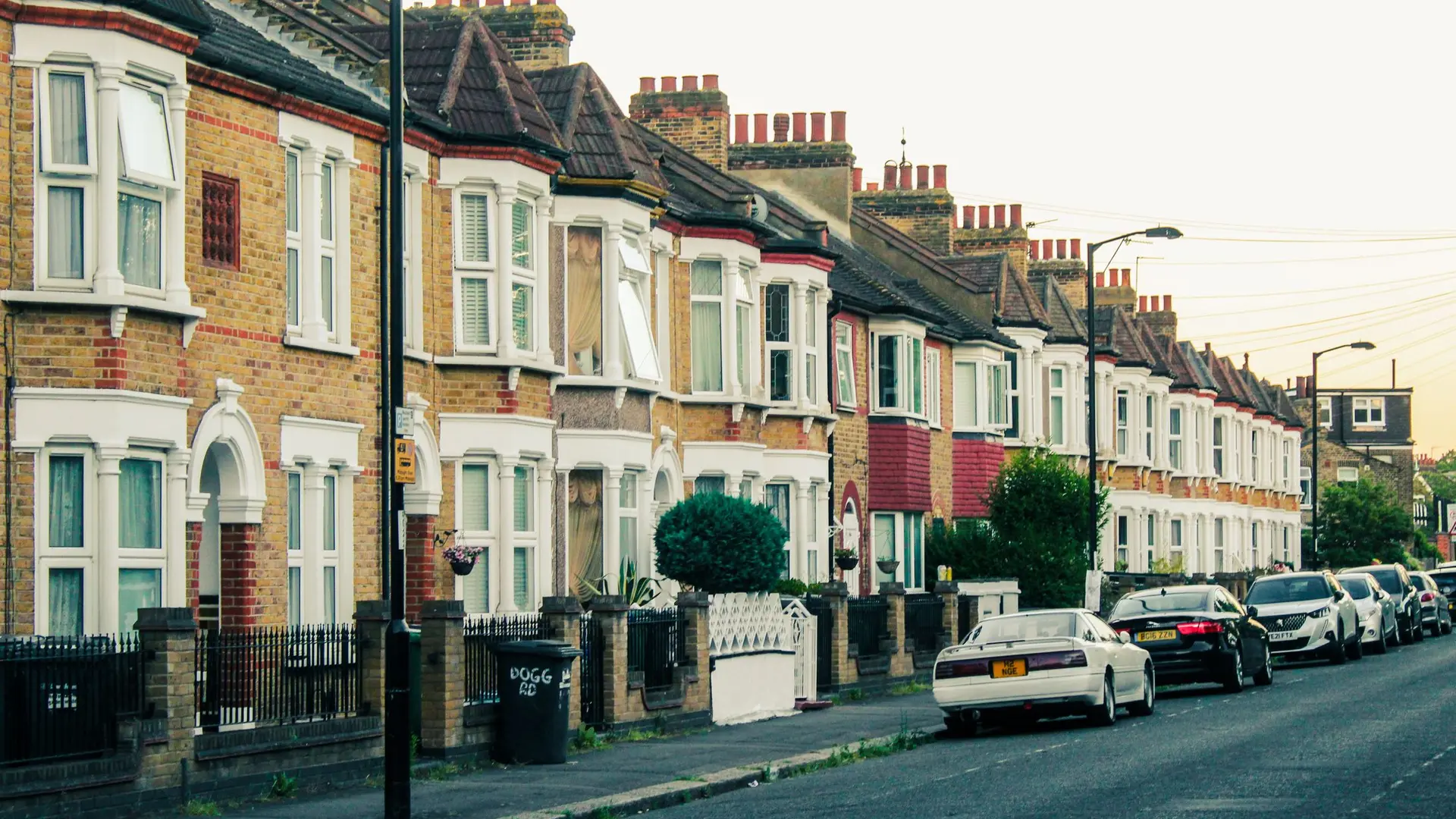
Inner London is dominated by Victorian and Edwardian terraces and mansion blocks, many with solid walls and no cavity. That makes a retrofit more complex than in a new build. Heat escapes through the walls faster, so the floor has to work harder, and there is no easy route to hide pipe runs or wiring.
Suspended timber floors are the other challenge. We can fit pipe between the joists with spreader plates from below, or lay low-profile boards over the top. Raising the floor changes door thresholds and skirting heights, so we measure the available height before recommending either method.
05
Running Underfloor Heating Alongside Radiators and Boilers
Quick Quote OnlinePlenty of London homes use both. A kitchen extension gets underfloor heating while the rest of the house keeps its radiators. The manifold's mixing valve blends the hotter boiler water down to a safe floor temperature, and the underfloor zones are wired so they call the boiler just like a radiator circuit.
The boiler needs enough output to cover both, and the controls need setting so the floor and radiators do not fight each other. The underfloor side should be checked whenever the boiler is looked at, so it makes sense to add it to your annual boiler service visit.
How it works
How we approach an underfloor heating job
New system or faulty old one, the job moves through the same four stages.
Step 1 of 4
Check the floor
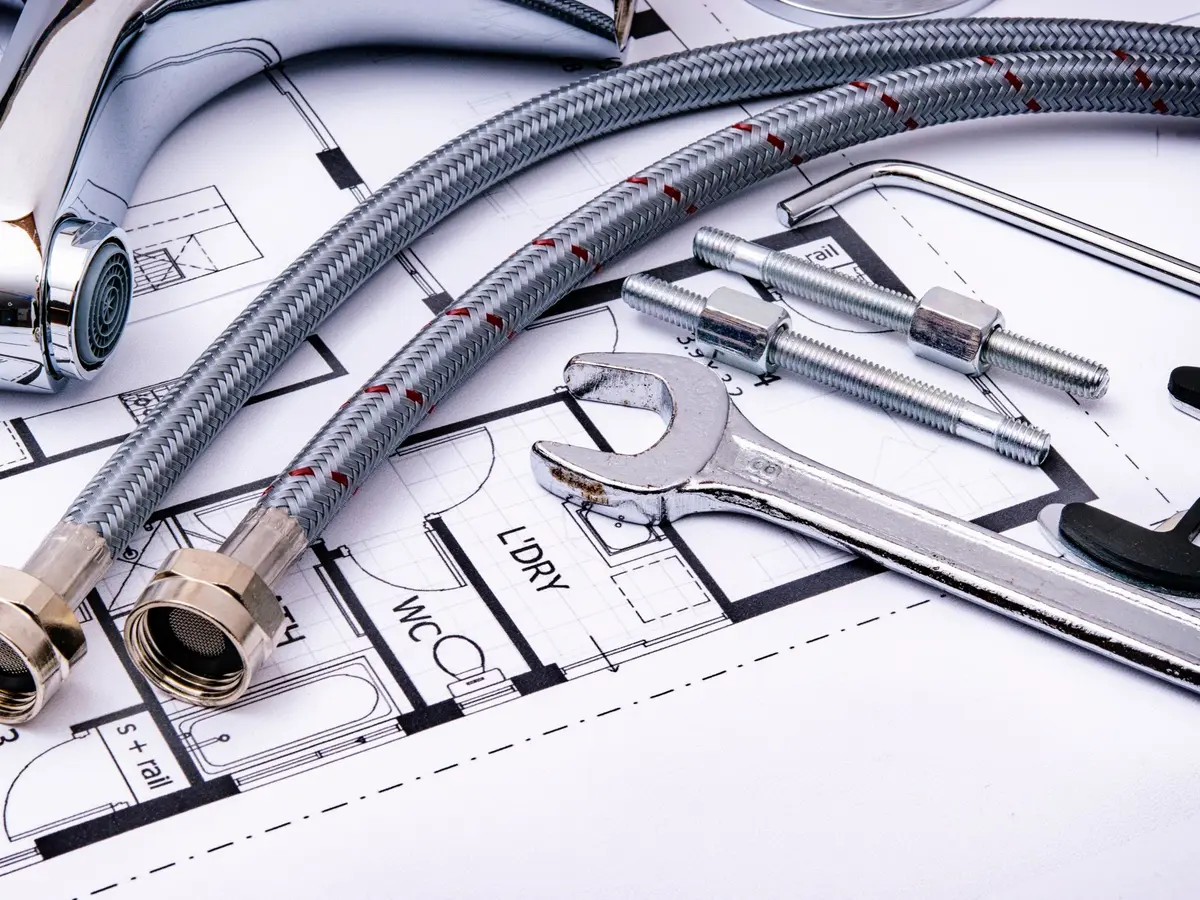
We look at the subfloor, available height, floor finish and the existing boiler or electrical supply.
Step 2 of 4
Choose the method
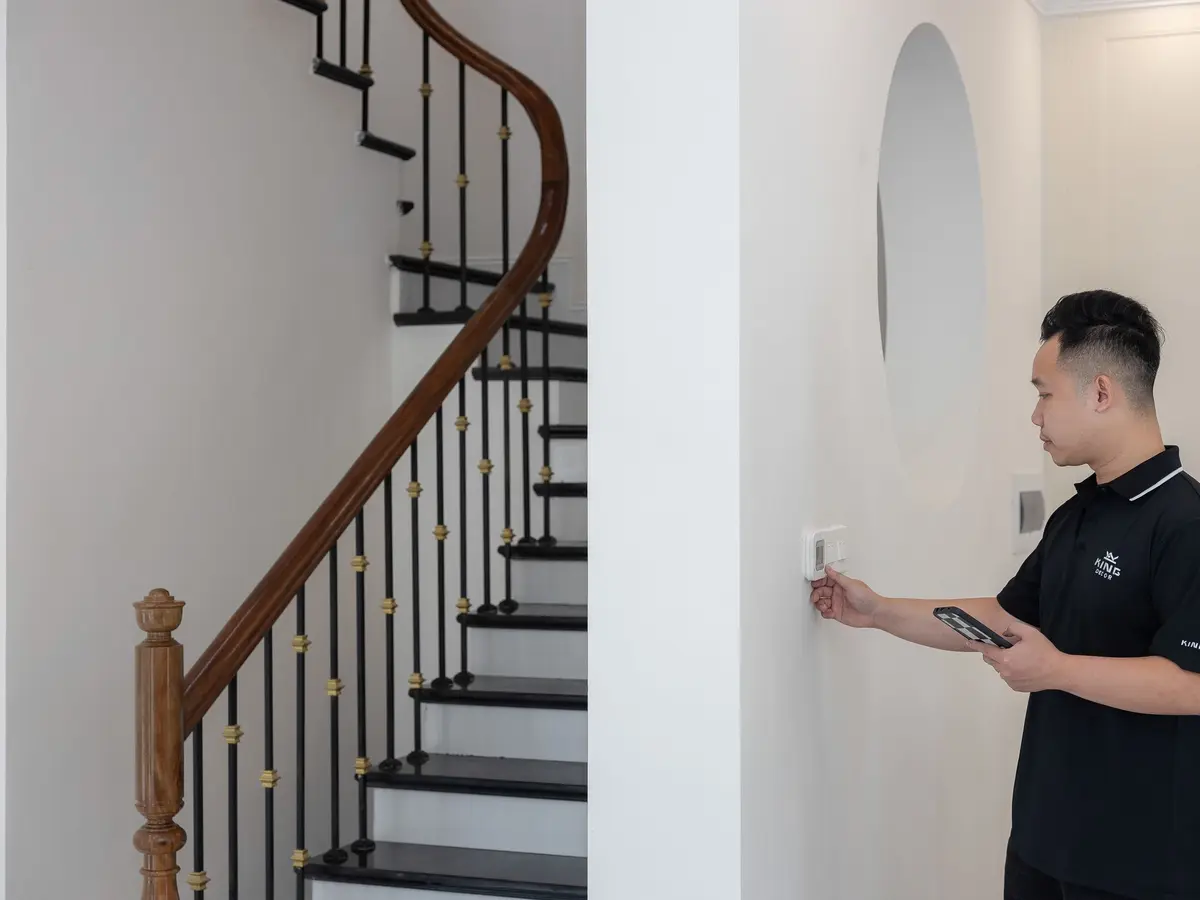
Screed, overlay boards or electric mats are chosen to suit the room, and you get a written price.
Step 3 of 4
Lay and connect
Loops or mats are laid and pressure or resistance tested, then connected to the manifold or thermostat.

Step 4 of 4
Commission the zones
Each zone is filled, purged of air, balanced and run up to temperature before handover.

Thinking about warm floors?
Tell us the room, the subfloor and the floor finish you have in mind, and we will send a Quick Quote.
Quick Quote OnlineWarm floors and fixed manifolds: feedback from London homes
Gallery
Warm floors and tidy manifolds
The kind of fittings and finished spaces that come with this job. Tap to enlarge.
Areas we cover
Underfloor heating across west and central London
Some of our busiest underfloor heating work is in west and central London. Kitchen extensions in Fulham and Shepherds Bush often get wet systems under screed, while mansion flats in Chelsea and Westminster usually need low-profile boards to keep floor heights in check. In Acton, Willesden, Cricklewood and Wembley we fit and repair systems in Edwardian terraces and interwar semis, often running alongside the existing radiators.
- London
- City of Westminster
- Islington
- Chelsea
- Battersea
- Holloway
- Brixton
- Peckham
- Fulham
- Archway
- Shepherds Bush
- Canary Wharf
- Stamford Hill
- Willesden
Related work
Jobs that often go with this one
Boiler Replacement
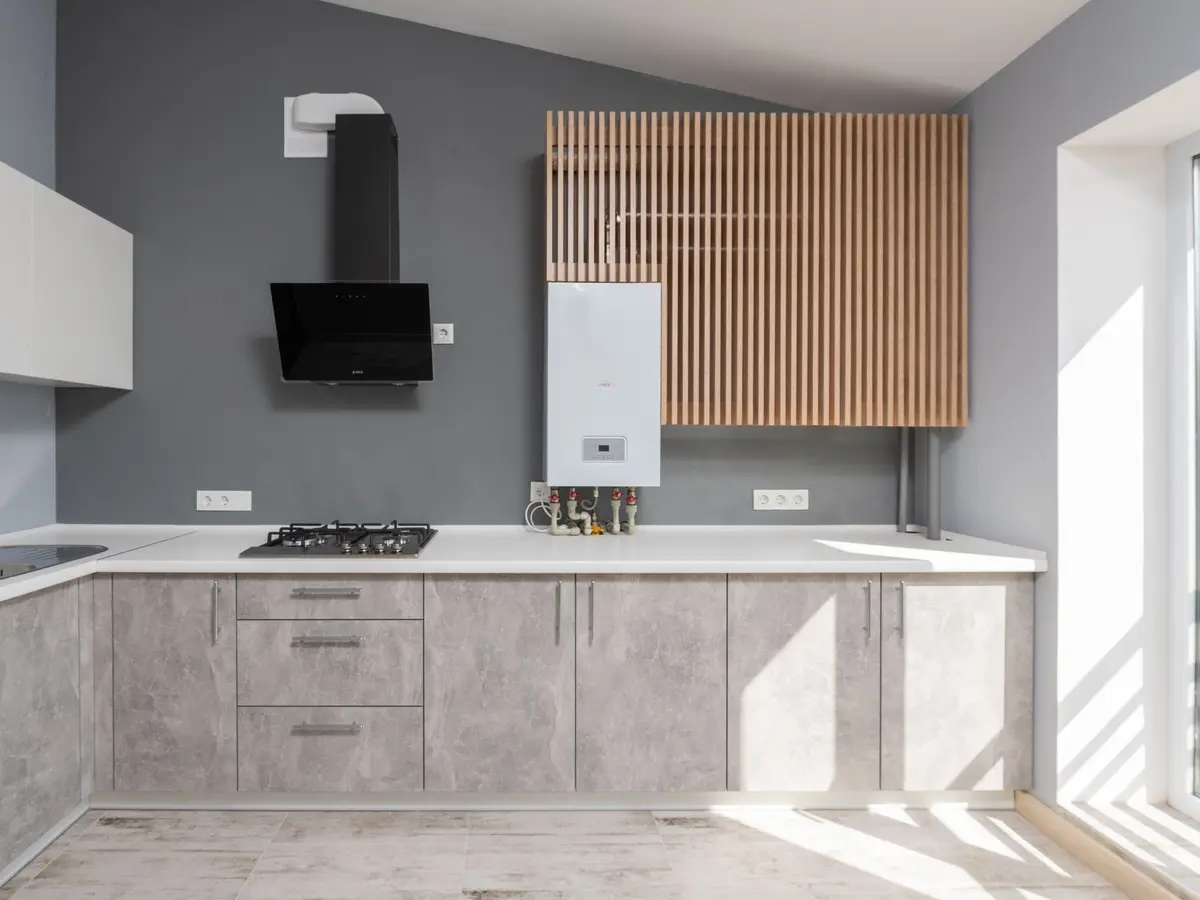
Old boiler out, the right-sized combi, system or regular boiler in, with the system cleaned.
Bathroom Installation
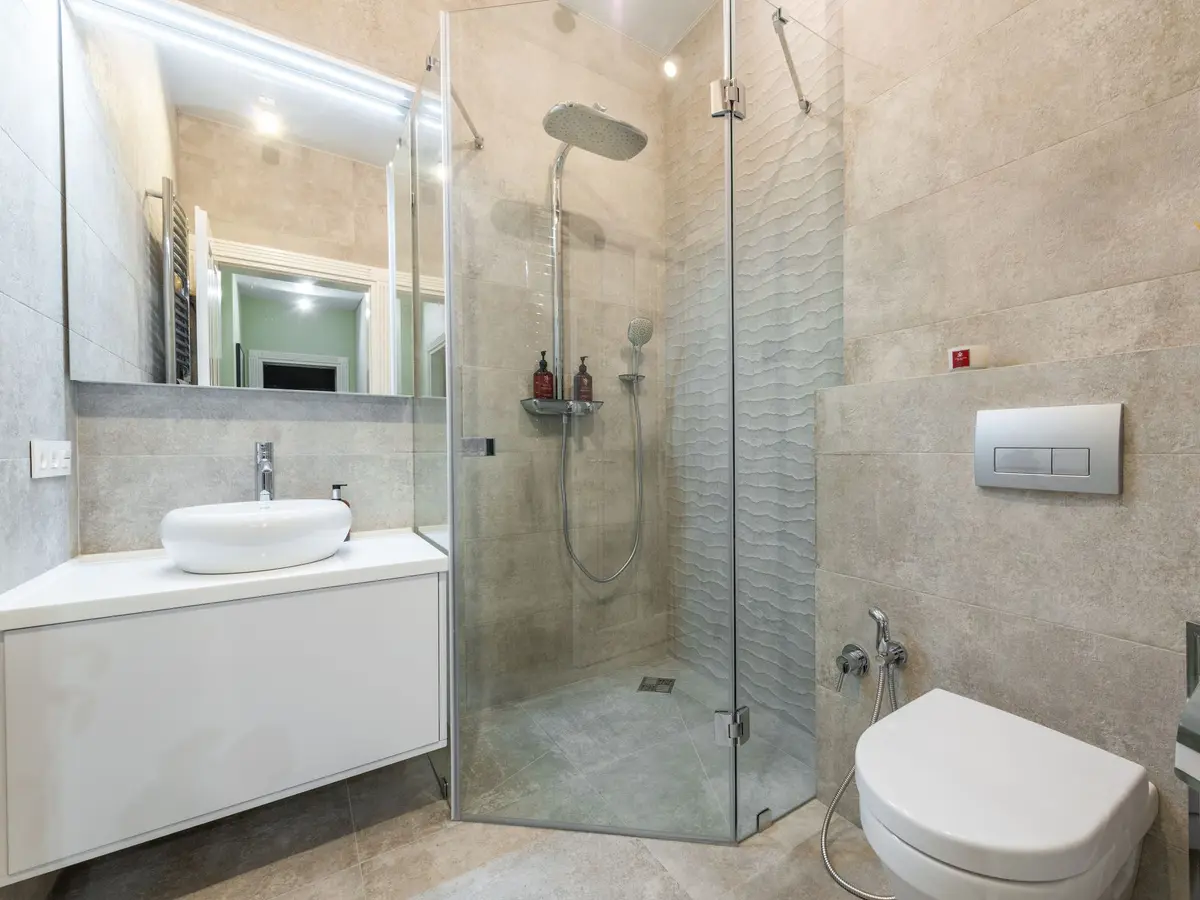
Strip-out to finished room: pipework, sanitaryware, tiling and showers, planned before day one.
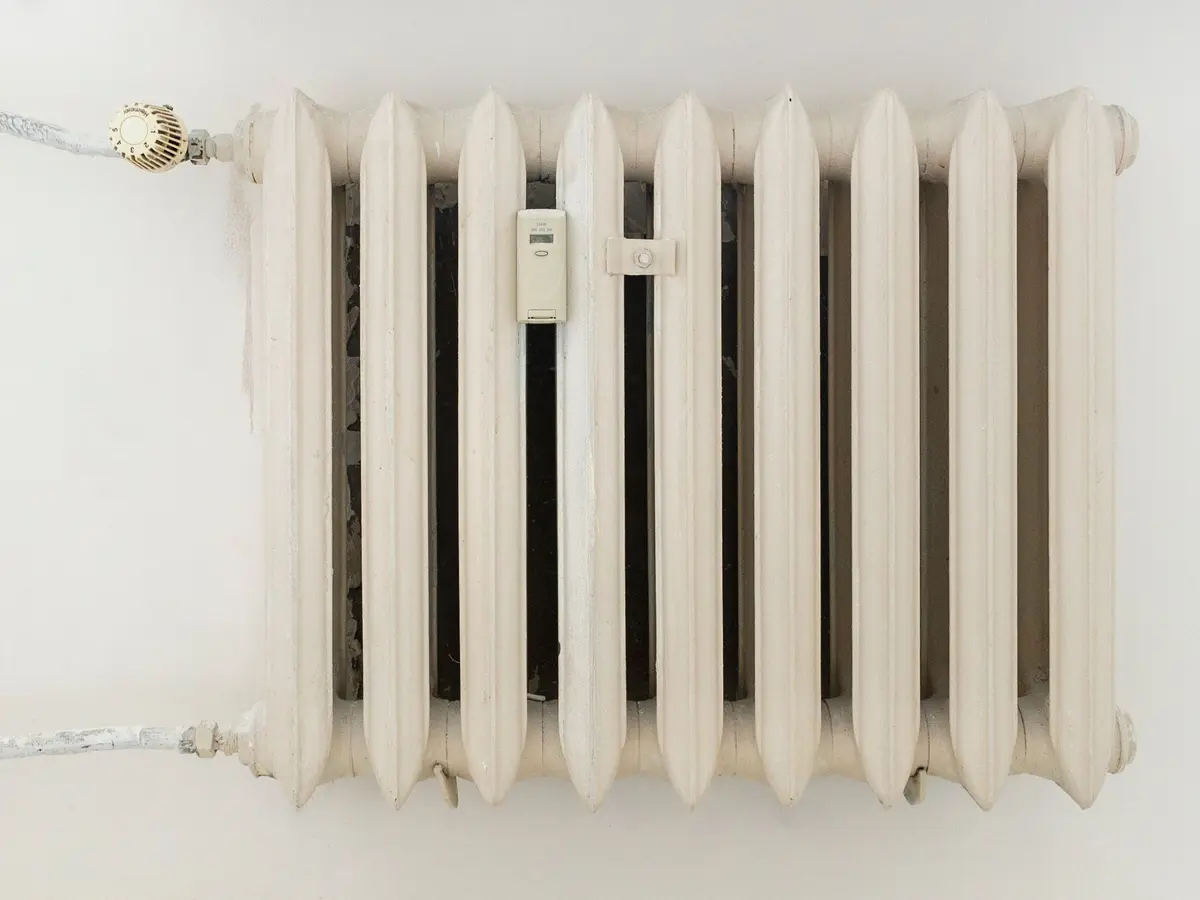
Radiator Repair and Replacement
Weeping valves, cold spots and tired radiators fixed or swapped, including towel rails.
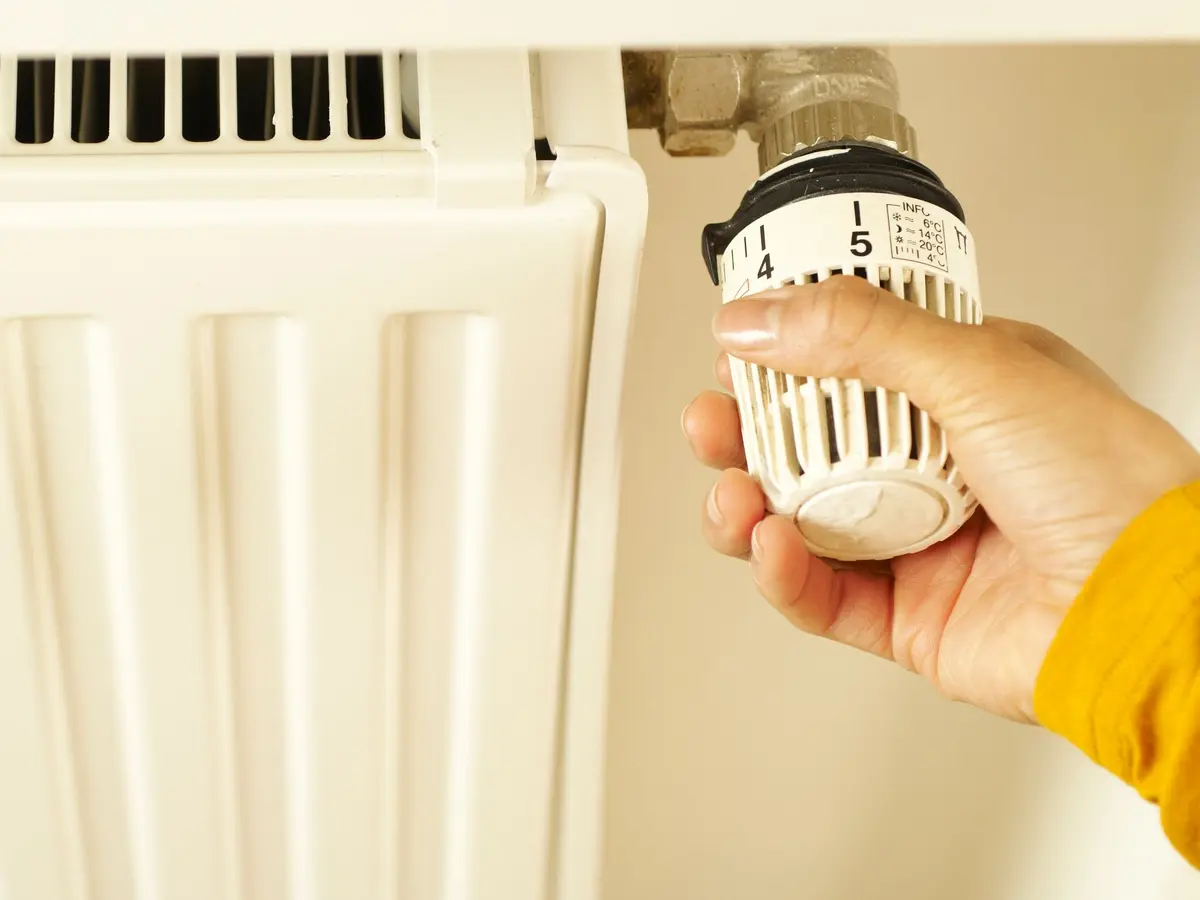
Central Heating Installation
New systems, extended systems and full re-pipes, with radiators sized room by room.
Questions
Underfloor Heating Repair and Installation: your questions

Can underfloor heating go over a timber floor?
Yes. On suspended timber floors we either fit pipe between the joists from below, using aluminium spreader plates, or lay low-profile overlay boards on top of the existing boards. Overlay raises the floor slightly, so we check door thresholds and skirting before recommending it. Electric mats can also go over timber with a suitable board.
Why is one zone of my underfloor heating cold?
A single cold zone usually points to the manifold. The actuator on that port may have failed, the thermostat may not be calling for heat, or the loop may be airlocked. We test each part in turn, starting with the thermostat signal and the actuator, then purge the loop if air is the cause.
Can you repair a damaged electric heating mat?
Often, if the damage can be located. We test the mat's resistance and insulation to confirm the fault, then use a fault finder to pinpoint the break. If it sits under a tile, that tile is lifted, the cable is joined with a repair kit and the floor is made good. Severe damage may mean replacing the mat.
Will underfloor heating work with my existing boiler?
In most cases, yes. A wet system runs through a manifold with its own pump and mixing valve, which brings boiler water down to floor temperature. We check the boiler has enough output to cover the extra area as well as the radiators and hot water, and advise if it does not.
Quick Quote Online
Quick Quote for underfloor heating
Tell us whether it is a new installation or a repair, which rooms are involved and what the floor is made of.
- A written price before any work starts
- Gas work by Gas Safe registered engineers
- Plumbing, heating, drains and bathrooms under one roof
- London and the towns around it