
Non-invasive leak tracing
Leak Detection in London for Hidden Water Leaks
Damp patches, falling boiler pressure or a meter that never stops: we locate the leak first, so only the right section is opened up.

- Gas Safe registeredAll gas work done by registered engineers
- Written price firstLabour and parts agreed before work starts
- London-wideThe city and towns within about 20 miles
- Job recordsPhotos and a written record on completion
What you get
Leak Detection: how we work
Water rarely appears where the leak actually is. It runs along joists, tracks down inside solid walls and soaks into screed before it shows as a stain. That is why cutting holes on a hunch does so much damage. Our water leak detection work uses instruments to narrow down the source, so we can open the smallest possible area and repair the pipe that is really at fault.
We find leaks on mains supplies, heating circuits, underfloor pipes, showers, wastes and the pipework beneath bathrooms. Once the source is confirmed, the leak repair can usually follow on the same visit. If the loss is on the heating side and the system has filled with sludge after months of being refilled, a power flush may be worth considering once the repair is done.

01
How Leak Detection Works
Leak detection is a process of elimination. We start by confirming a leak exists and which system it is on: mains cold, hot water, heating or waste. Watching the water meter with every tap closed, or monitoring the pressure gauge on a sealed heating system, tells us a lot before any equipment comes out.
Next we narrow the area. Pipe routes are traced, known weak points are checked and the most suitable instrument is chosen for the building. A solid concrete floor needs a different approach from a timber floor in a Victorian terrace. The aim is to mark the leak to a small spot so only that area is opened.
02
Signs of a Hidden Leak
Quick Quote OnlineMany leaks go unnoticed for months because the water finds somewhere to go. Some signs are obvious; others are easy to dismiss.
- Boiler pressure that keeps dropping and needs refilling
- Damp patches, bubbling paint or lifting flooring
- A water meter that moves when nothing is running
- Musty smells, mould behind furniture or warm spots on a floor
- The sound of running water with every tap off
In flats, the first warning often comes from the neighbour below. If you notice any of these, recording a couple of meter readings a few hours apart with everything turned off gives us a useful head start.
03
Leak Detection Methods We Use
No single tool finds every leak, so we match the method to the pipe and the building.
- Thermal imaging shows the heat trail from hot water and heating pipes in floors and walls
- Acoustic detection picks up the sound of pressurised water escaping, even under concrete
- Tracer gas, a safe hydrogen and nitrogen mix, is pushed through the pipe and detected where it escapes
- Moisture mapping records damp readings across a surface to show where water spreads from
- Pressure testing isolates sections to prove which run is losing water
Often two methods are combined: pressure testing identifies the circuit, then acoustic or thermal work pinpoints the spot.
04
Trace and Access Investigations
Many home insurance policies include trace and access cover. Depending on the wording, it contributes towards the cost of finding a hidden leak and gaining access to it, such as lifting floors or removing tiles, and sometimes making good afterwards. The repair to the pipe itself is often treated separately.
We carry out the investigation and record each step: the symptoms, the methods used, the readings taken and where the leak was found. That gives your insurer a clear picture of what happened. Check your own policy before booking, as cover, excesses and conditions differ, and some insurers ask to approve the work first.
05
Leak Repairs and Reinstatement
Quick Quote OnlineOnce the leak is marked, we expose the pipe with as little disruption as possible, often by lifting one floorboard or cutting a small, neat opening in plasterboard. The damaged fitting or length of pipe is replaced, the circuit is pressure tested and the system is refilled, bled and checked.
On heating circuits we restore the inhibitor after draining down. Reinstatement means closing the opening back up: boards refixed, plasterboard patched ready for decoration and, where agreed, tiles replaced if you have spares. Larger reinstatement, such as new flooring or full redecoration, is usually handled by other trades or through your insurer.

06
Insurance Claim Support
After a leak, insurers want evidence. We provide a written report describing the cause, the location, the detection methods used and the repair carried out, with photographs taken at each stage. You can pass it straight to your insurer or loss adjuster.
We cannot say whether a claim will be accepted or what it will pay, as that depends on your policy and the insurer's own decision. What the report does is set out the facts clearly, which cuts down the back-and-forth that happens when the cause is vague. If an adjuster wants to speak to the engineer who found the leak, we can arrange it.
07
Emergency Leak Call-Outs
Some leaks are not hidden at all: water is pouring through a ceiling light or pooling across the floor. In that case the first priority is isolation, and detection comes second. Close the stopcock, switch off electrics near the water and send us the details marked urgent. Urgent requests are prioritised, with attendance offered as soon as the diary allows.
Once the flow is stopped, the source is traced in the usual way. Sometimes the obvious drip is only where the water surfaces, and the actual failure is a joint several metres away. Taking the time to confirm it prevents a second round of damage later.
08
Common Leak Sources in London Homes
Quick Quote OnlineSome parts of a home leak more often than others. Compression fittings under baths and behind toilets loosen over time. Shower trays lose their seal where silicone has broken down, letting water under the tray every time the shower runs. Old copper pipes buried in solid floors corrode where they touch lime and cement.
Heating systems are another frequent source, especially radiator valves, pump connections and pipes laid in screed. Where the leak is in a wet system under the floor, our underfloor heating repair work covers the manifold and pipe loops. Flat roofs, gutters and failed pointing can also let in water that looks like a plumbing leak.
How it works
Finding a leak, step by step
How we get from a symptom to a repaired pipe.
Step 1 of 4
Confirm the loss
Meter readings and pressure checks prove there is a leak and show which system it is on.
Step 2 of 4
Narrow the zone
Pipe routes are mapped and the likely area is identified before instruments are set up.
Step 3 of 4
Pinpoint the source
Thermal, acoustic or tracer gas methods mark the leak to a small, precise spot.

Step 4 of 4
Repair and report
The pipe is repaired and tested, and you receive a written report with photos.
Suspect a hidden leak?
Get a Quick Quote Online and tell us what you have noticed so far.
Quick Quote OnlineHidden leaks found, as told by our customers
Gallery
From drip to dry
Tap any photo to open it full size and swipe through the set.
Areas we cover
Leak detection across London
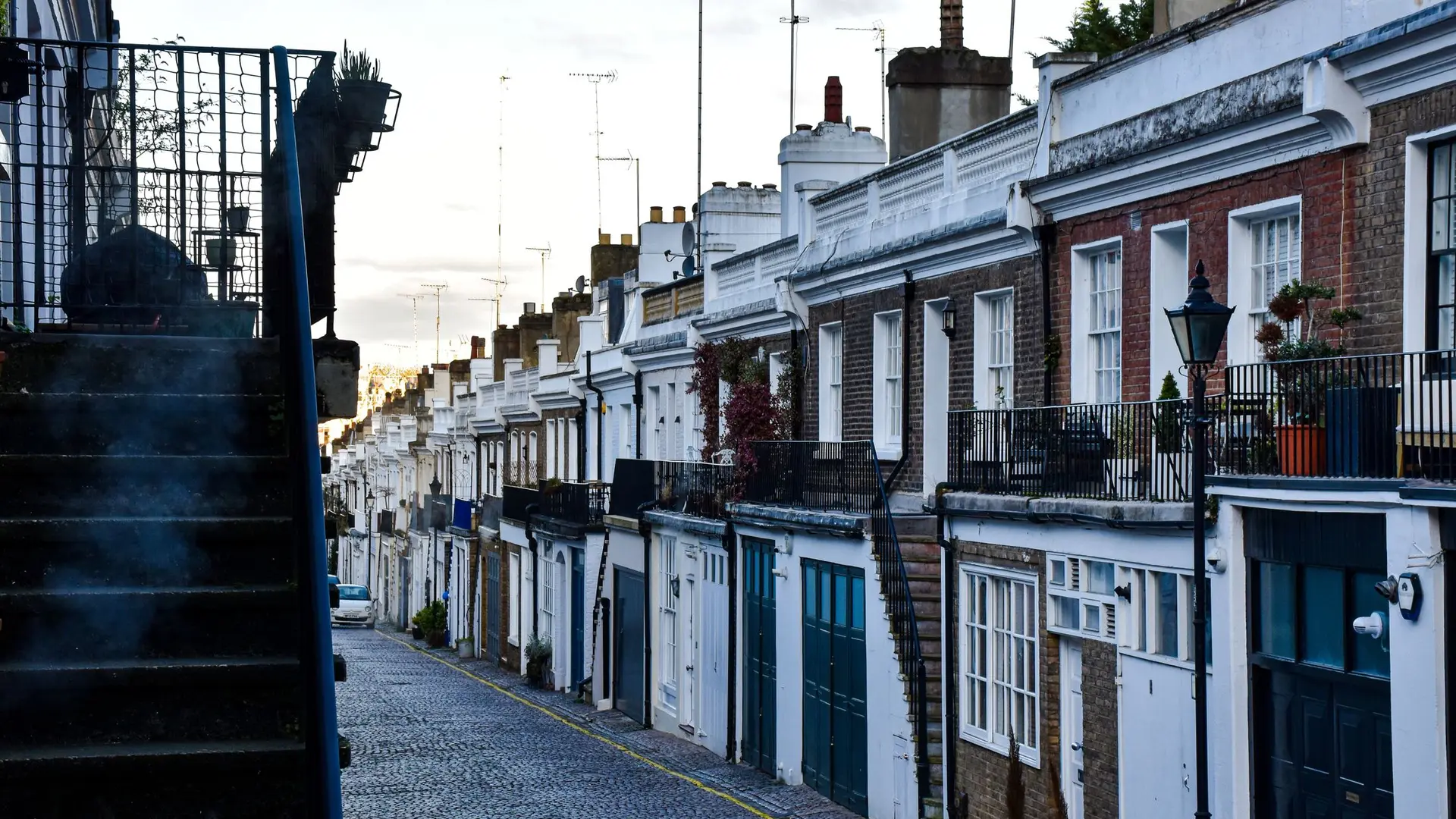
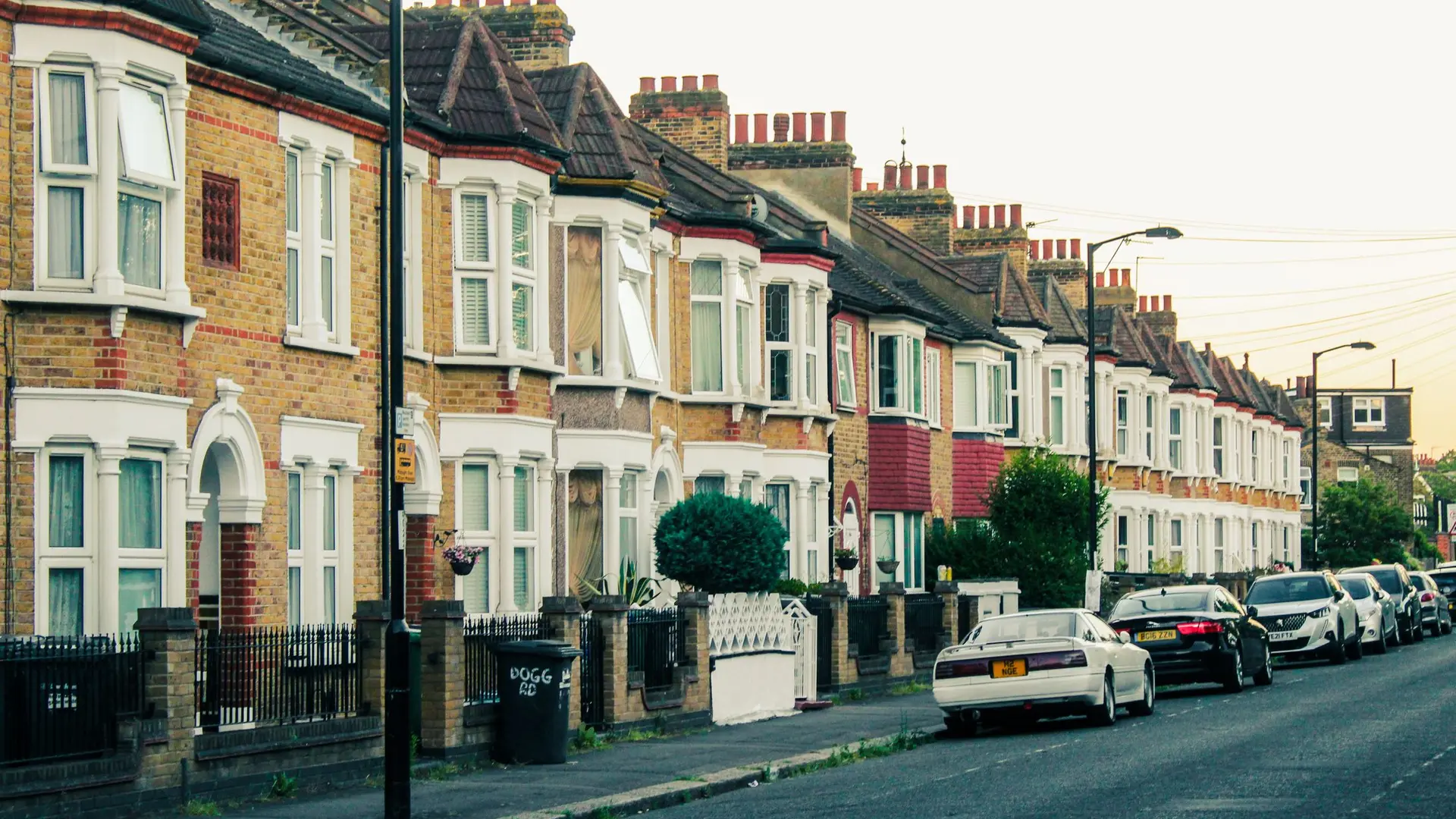
Solid-walled Victorian and Edwardian houses in Wimbledon, Putney and Beckenham often have pipes buried in plaster and screed, which is where thermal and acoustic methods prove their worth. Conversion flats in Stamford Hill and Canning Town bring a different problem: water travelling between floors before it shows. In Barking and Mitcham, low-rise post-war estates commonly have heating pipes set into concrete floors. We choose the detection method to suit the construction in front of us.
- London
- City of Westminster
- Islington
- Chelsea
- Battersea
- Holloway
- Brixton
- Peckham
- Fulham
- Archway
- Shepherds Bush
- Canary Wharf
- Stamford Hill
- Willesden
Related work
Jobs that often go with this one
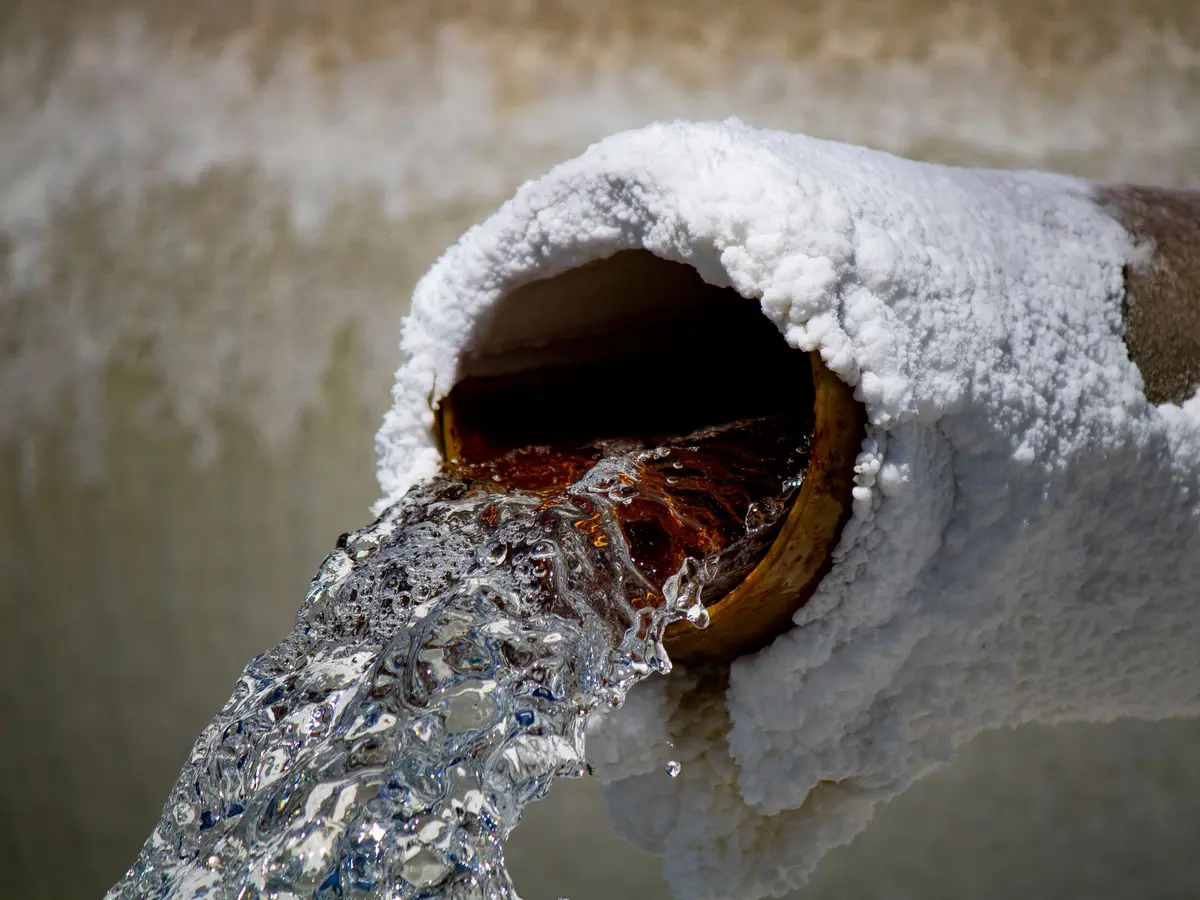
Emergency Plumber
Burst pipes, water through the ceiling, no hot water. Urgent jobs go to the front of the diary.
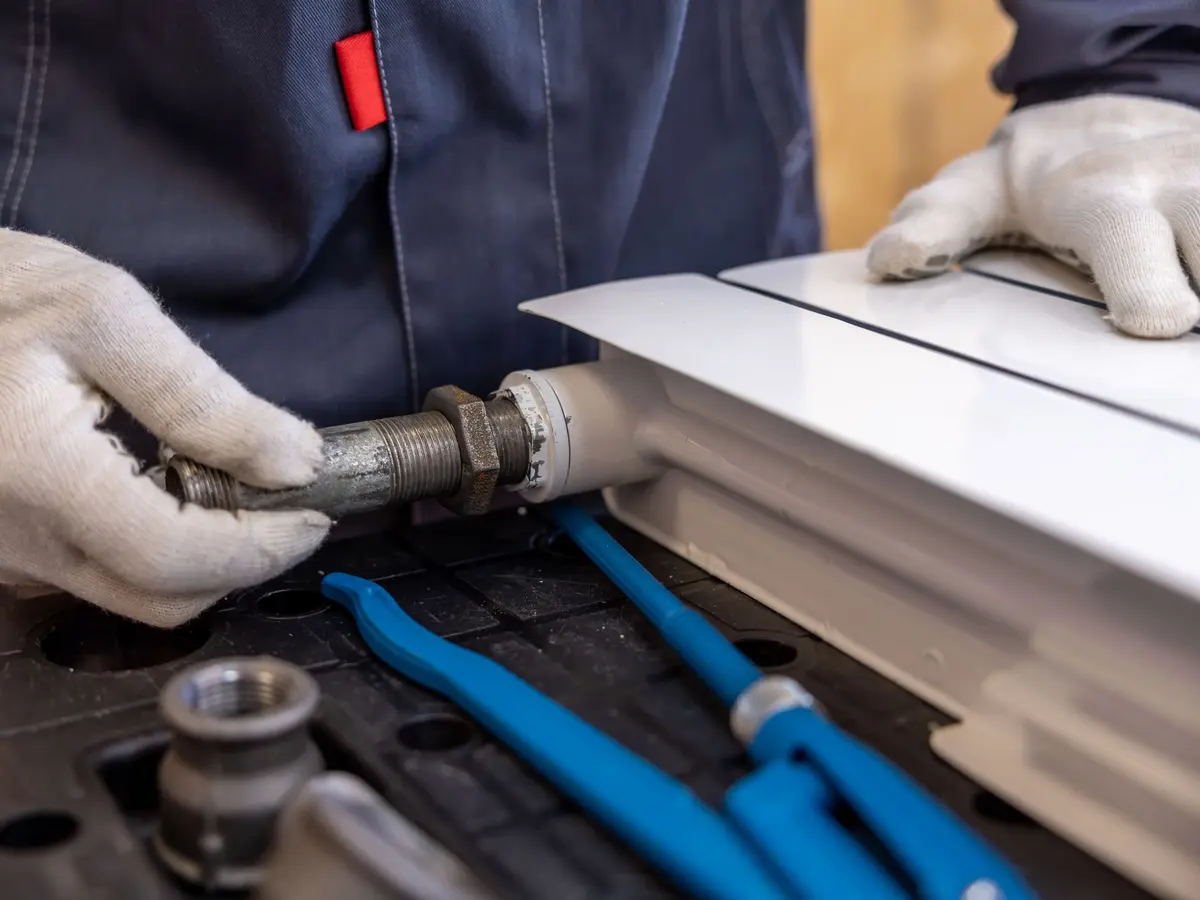
Plumber
Leaking joints, dripping taps, running toilets, new pipe runs and fittings. The everyday plumbing jobs, done properly.
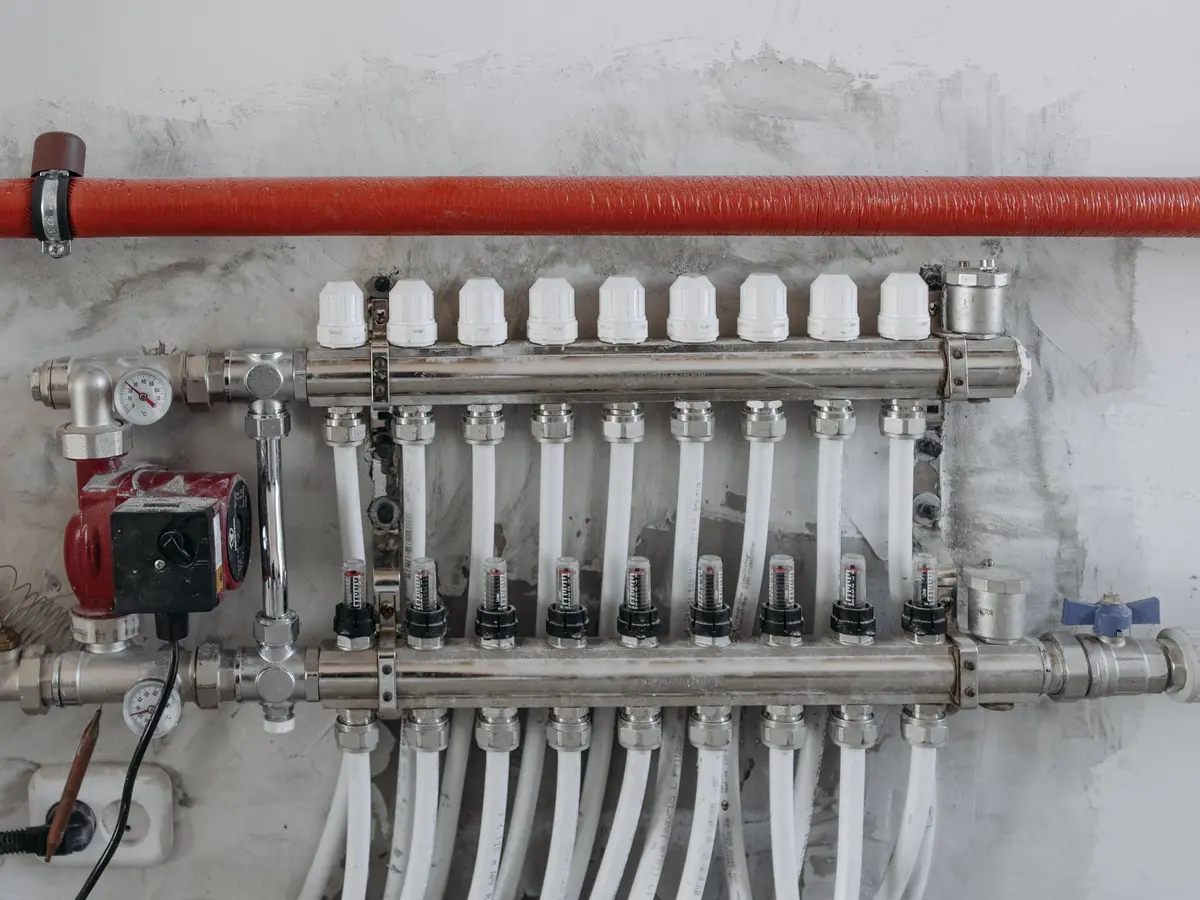
Underfloor Heating Repair and Installation
Wet and electric systems fitted, and cold zones, sticking actuators and manifold faults traced.
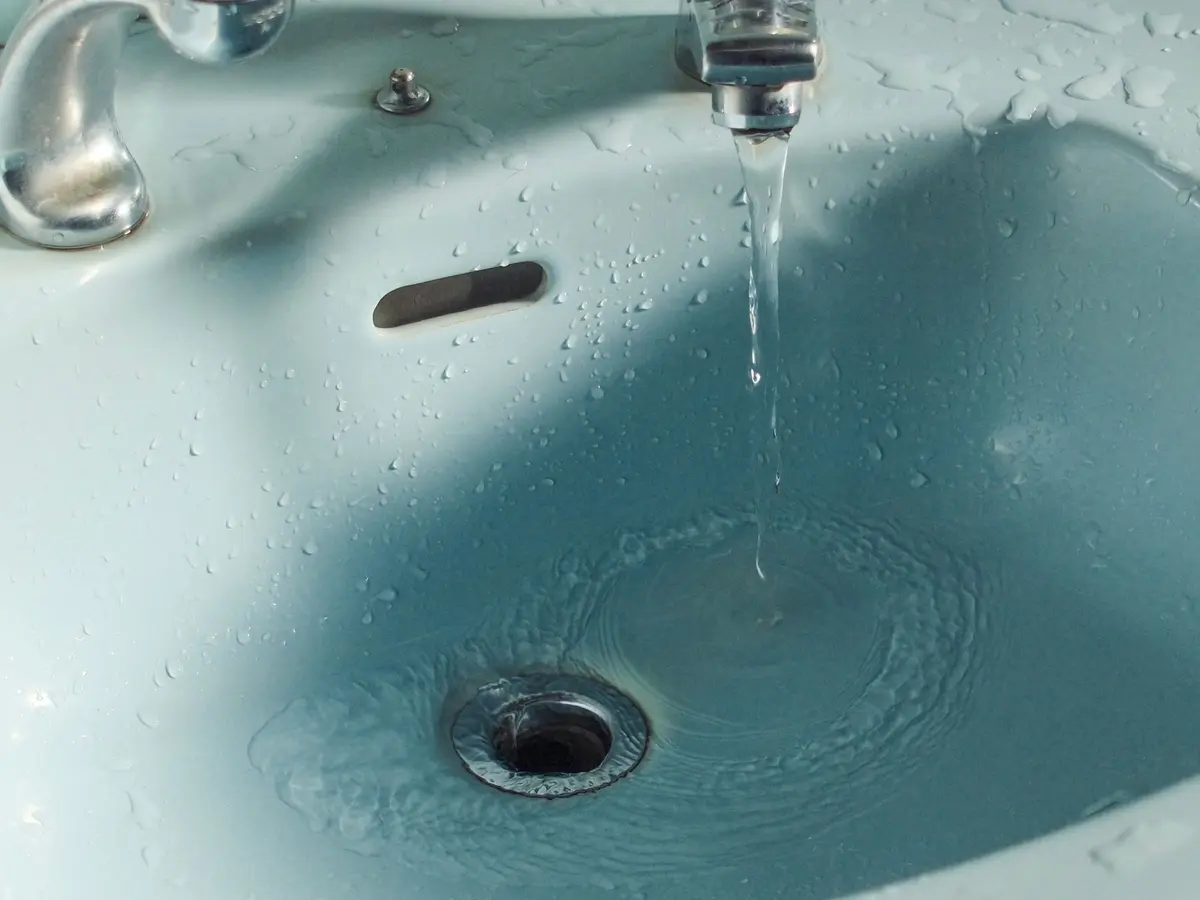
Drain Unblocking
Slow sinks, backed-up gullies and blocked soil pipes cleared by rod, jetter and camera.
Questions
Leak Detection: your questions
Do you have to damage my floor to find a leak?
The detection itself is non-invasive. Thermal cameras, acoustic microphones and tracer gas all work from the surface. Once the leak is pinpointed, we need to open a small area to reach the pipe, usually a single board or a small section of plasterboard or screed, rather than lifting a whole room.
Why does my boiler keep losing pressure?
A sealed heating system should hold its pressure. If you keep refilling it, water is escaping somewhere: a weeping radiator valve, a pipe under the floor, or a faulty pressure relief valve discharging outside. We check the obvious points first, then pressure test sections of the system to find a hidden leak.
Will my home insurance pay for leak detection?
Many policies include trace and access cover, but what is covered, the excess and any conditions depend on your insurer and policy wording. Check with them before booking. We provide a written report of the investigation and repair that you can submit, though the decision on any claim rests with the insurer.
What is tracer gas and is it safe?
Tracer gas is a mix of nitrogen with a small amount of hydrogen. It is non-toxic and non-flammable at that concentration. We drain the pipe, introduce the gas and use a sensitive detector at the surface to find where it escapes, which works well for leaks under solid floors.
Can the leak be repaired on the same visit?
Usually, yes. Once the source is found we can expose the pipe and repair it straight away, as long as the parts are standard. If the leak is in an awkward spot, needs specialist fittings or you want your insurer to see it first, we make it safe and book the repair.
Quick Quote Online
Quick Quote for leak detection
Tell us the signs you have seen, the type of property and your postcode.
- A written price before any work starts
- Gas work by Gas Safe registered engineers
- Plumbing, heating, drains and bathrooms under one roof
- London and the towns around it