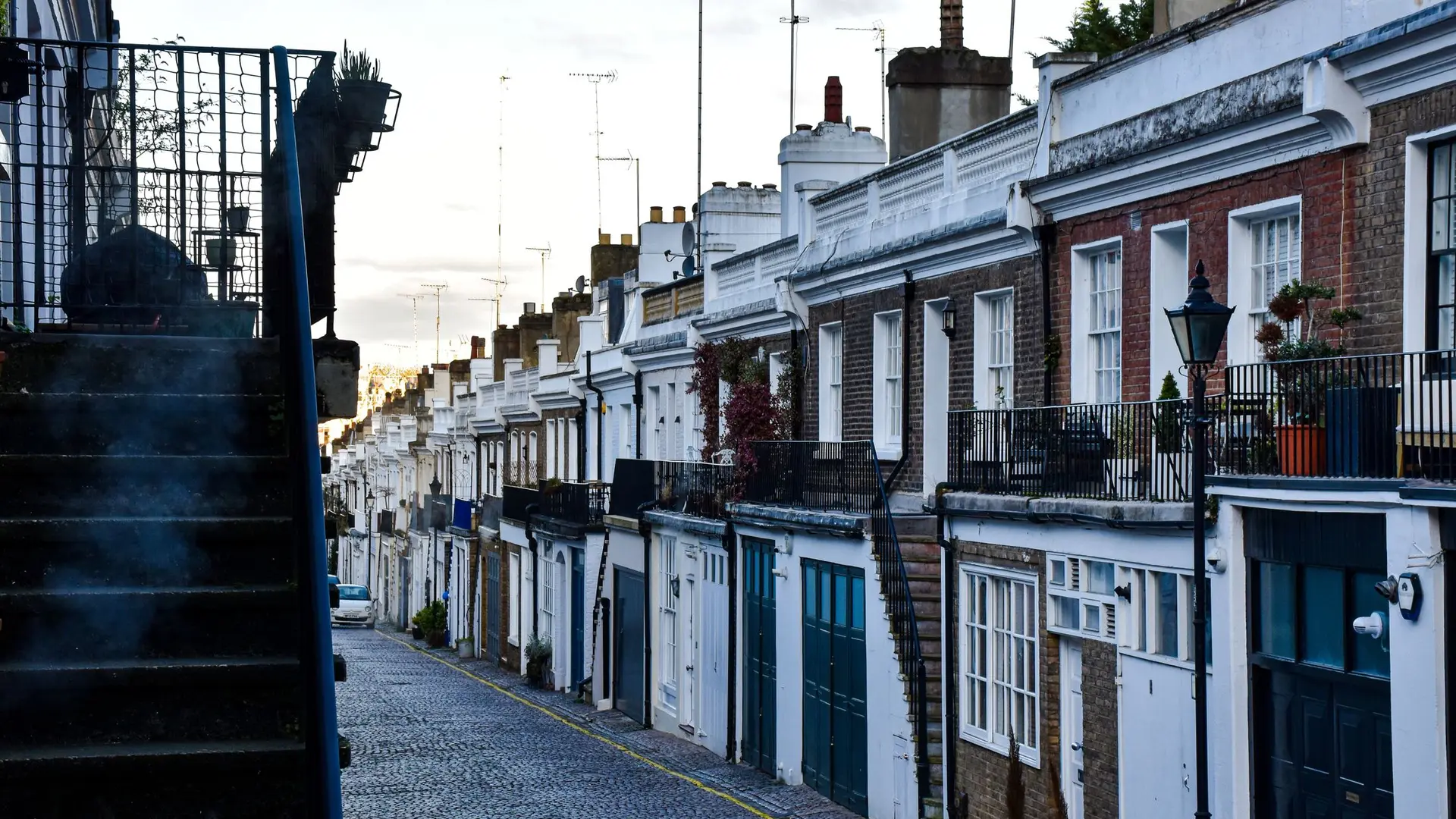
Much of inner London sits on drains laid when its Victorian and Edwardian terraces were built. Many of those pipes are glazed clay, laid in short lengths with mortar or simple joints, and they have been carrying waste for well over a century. They still work, but they have less tolerance for the things modern households put down them.
A blocked drain usually gives some warning before it overflows. Knowing the signs, what you can safely try and which part of the pipe is actually your responsibility helps you act early and avoid paying for work that should fall to someone else.
This guide covers the most common causes in period homes, the rules on responsibility in England, practical first steps and what professional drain work involves.
Key Takeaways
- Why drains in Victorian and Edwardian houses block
- Who is responsible for which part of the drain
- Early warning signs of a drain starting to block
- Safe DIY steps for a slow sink or blocked gully
Why drains in Victorian and Edwardian houses block
Most blockages are caused by what goes in, but older pipes make them more likely. The common causes are:
- Fats, oils and grease: liquid when hot, they cool and cling to the pipe wall, building up layers that catch everything else.
- Wet wipes: even those labelled flushable do not break down like toilet paper and tangle into solid masses.
- Hair and soap: in bathroom wastes, hair binds with soap scum into tough plugs close to the plughole.
- Food waste: rice, pasta, coffee grounds and peelings settle in bends and traps.
- Tree roots: roots find the moisture at old clay pipe joints, get in through tiny gaps and grow into a mat that catches waste.
- Cracked or displaced pipes: ground movement, traffic and heavy loads shift clay sections, leaving lips where waste snags.
- Poor falls: a pipe that has sunk in the middle holds water and silt, so blockages keep coming back.
The last three are structural. Clearing them brings back flow for a while, but the underlying fault remains until the pipe is repaired. Period houses also tend to have long runs from the back of the house to the street, with kitchen extensions and added bathrooms connected over the years at awkward angles, which gives waste more places to settle.

Who is responsible for which part of the drain
In England, a change to the law in 2011 transferred most private sewers and lateral drains to the water companies. The split now generally works like this:
- You are responsible for drains that serve only your property and sit within your boundary.
- The water company is generally responsible for sewers (pipes that carry waste from more than one property) and for lateral drains, the part of your drain that runs outside your boundary to the sewer.
This matters a great deal in London terraces. Behind many rows of Victorian houses, a single pipe runs under the back gardens collecting waste from several homes before joining the main sewer. Because it serves more than one property, it is generally a public sewer, even though it passes through private gardens.
So if the blockage is in a shared run, the water company for your area should deal with it. A CCTV survey is the clearest way to show where the fault is and which pipe it is in. Leasehold flats add another layer, as the lease may give the freeholder responsibility for shared drains within the building.
Early warning signs of a drain starting to block
Drains rarely block without warning. Look and listen for:
- Gurgling from plugholes or the toilet when another fitting is used, a sign that air is being pulled through a partial blockage.
- Sinks, baths or showers draining more slowly than they used to.
- Bad smells from plugholes or outside gullies, even after cleaning.
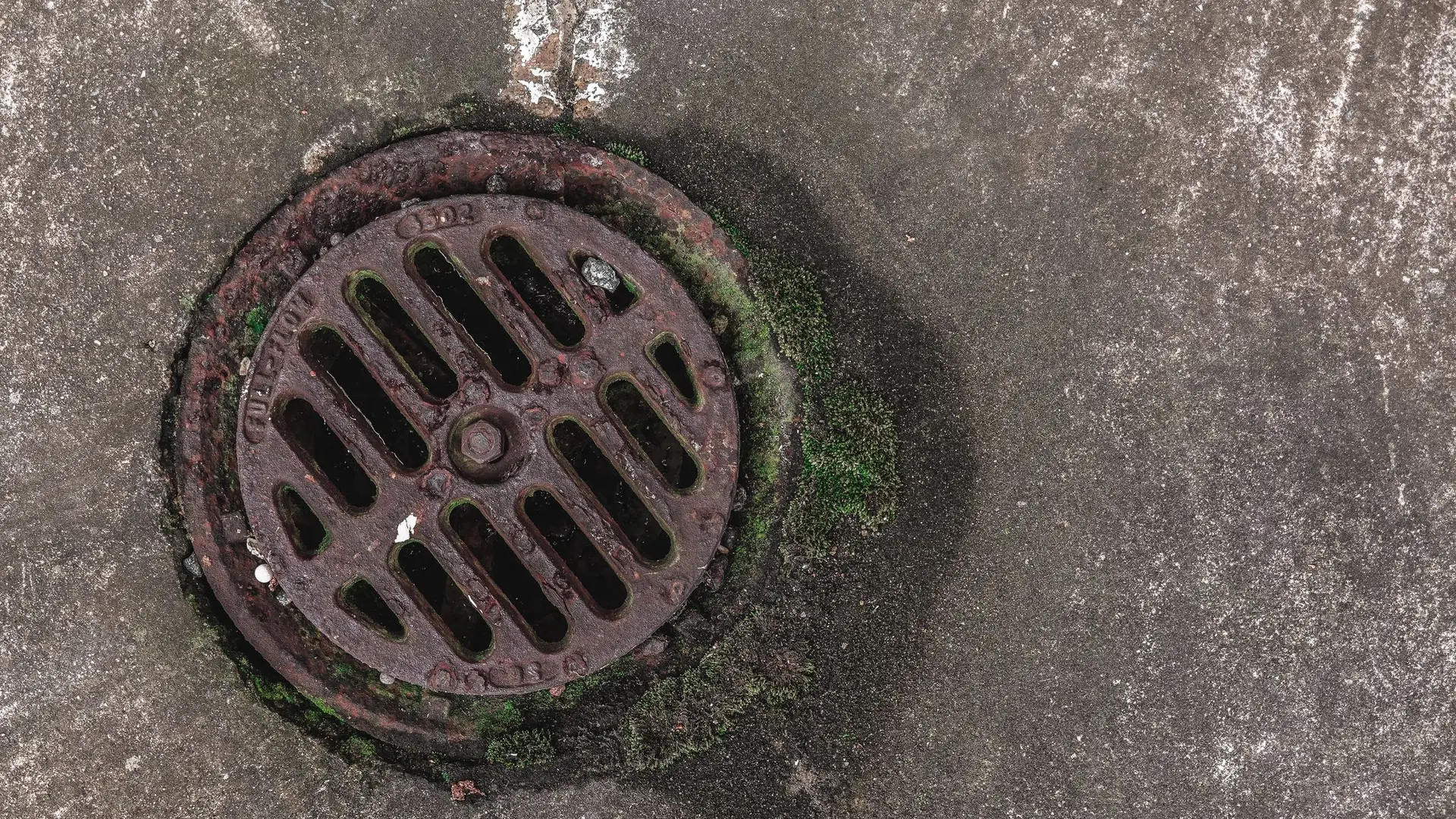
- Water pooling at the outside gully, the open drain where downpipes and kitchen wastes discharge.
- Water standing in the inspection chamber, or rising up the chamber when you lift the cover.
One slow sink usually means a local blockage in the trap or waste pipe. Several fittings slowing at once, or the ground floor toilet affected when upstairs is used, points further down the system to the main drain. Lifting the manhole cover can tell you a lot: if the chamber is full, the blockage is downstream of it; if it is empty, the problem is between your fittings and the chamber.
Safe DIY steps for a slow sink or blocked gully
For a single slow fitting or a blocked outside gully, you can try a few things safely:
- Use a plunger. Block the overflow with a damp cloth, make sure there is water over the cup and plunge firmly a dozen times. A proper sink plunger works far better than a flat one.
- Clean the trap. Put a bowl underneath, unscrew the trap under the sink and clear out what has collected.
- Use hot water, not boiling. Hot tap water helps shift light grease. Boiling water can crack ceramic and soften plastic pipe joints.
- Clear the gully by hand. Wearing thick rubber gloves, lift the grate, scoop out leaves, silt and fat, and flush with a bucket of water.
Be careful with chemicals. Never mix different drain products, as some react violently or give off toxic fumes. Never use a plunger straight after a chemical cleaner, because it can splash caustic liquid back at you. If a product has not worked, tell whoever comes out to clear the drain what you used.

When to call a professional and what CCTV and jetting do
It is time to stop and get help when several fittings are slow at once, when there is a sewage smell inside, when the inspection chamber is full, or when the same drain keeps blocking. If sewage is backing up into the house, treat it as urgent and ask for an emergency plumber. For blocked drains in period homes, the professional tools are rods, jetting and cameras.
Rods and jetting. Drain rods clear many blockages from the nearest chamber or rodding eye. High pressure water jetting goes further: a hose with a nozzle that fires jets backwards drives itself up the pipe and scours fat, silt and scale off the walls. Root cutting heads can remove root masses.
CCTV surveys. A waterproof camera on a push rod is fed through the drain, showing on screen and recording as it goes. It shows cracks, displaced joints, root entry, sagging sections and the exact distance from the chamber. That tells you whether the fix is a clean, a local repair or relining, and which side of the boundary the fault sits.
Habits that keep old London drains flowing
Old clay drains will not become new pipes, but the right habits make a clear difference to how often they block.
- Let fat and oil cool in the pan, then wipe or scrape it into the bin.
- Only flush toilet paper. Keep a bin in the bathroom for wipes, cotton buds and sanitary products.
- Fit a strainer in kitchen sinks and hair catchers in showers and baths, and empty them regularly.
- Keep outside gullies clear of leaves, especially in autumn in tree-lined streets.
- Think about drain runs before planting trees or large shrubs near them.
- If blockages keep returning, have a CCTV survey done rather than repeatedly clearing the same spot.
Know where your inspection chambers and rodding eyes are before anything goes wrong. In many terraces the chamber sits in the front garden, under a path or in a rear yard, and covers get paved over or hidden under decking during building work. A buried chamber turns a simple rodding job into a much bigger one, so keep covers visible and liftable.
If you are buying an older house, a drain survey before you commit is a good use of time, as damaged pipes do not show from the surface. To arrange a drain clearance or survey, use the Quick Quote Online on this page.