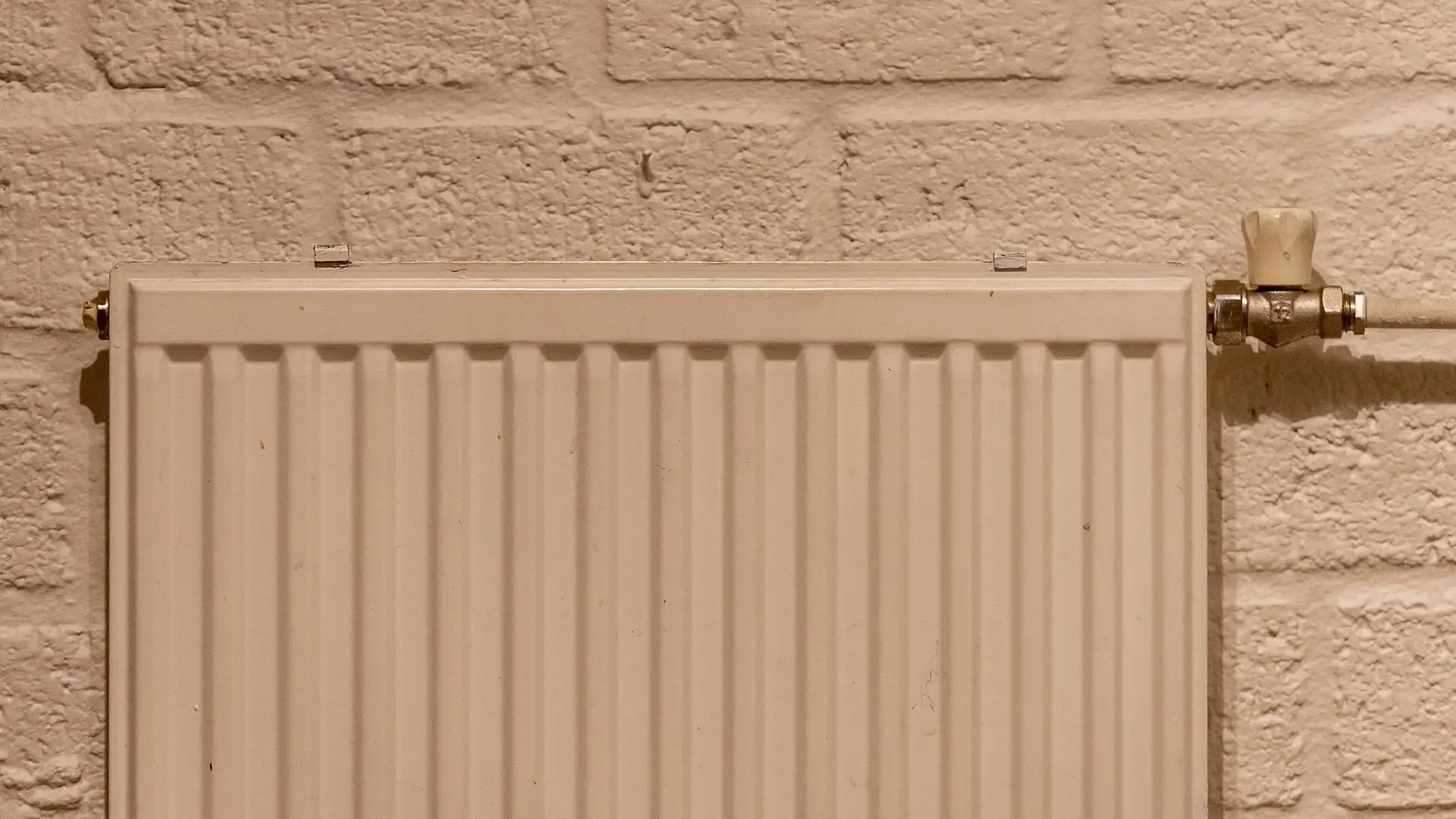
A radiator that will not warm up properly is one of the most common heating complaints, and it is rarely random. Where the cold patch sits, whether it affects one radiator or the whole floor, and how the rest of the system behaves all point towards a likely cause.
Some causes take ten minutes to sort with a radiator key. Others, like a system full of black magnetite sludge, need proper cleaning. Knowing which is which saves you from paying for work you do not need, and from ignoring a problem that slowly strains your boiler.
This guide goes through the patterns, the checks you can safely do yourself, and what happens when a flush is the right answer. We have added notes on older London systems, which often behave differently from a modern install.
Key Takeaways
- Reading the cold spot: top, bottom or the whole panel
- Safe checks you can do before calling anyone
- When a whole floor goes cold: pumps, pressure and loft tanks
- Signs the problem is sludge, and what a power flush does

Reading the cold spot: top, bottom or the whole panel
Run the heating for 20 minutes or so, then carefully feel each radiator from top to bottom and side to side. The pattern matters.
- Warm at the top, cold at the bottom: sludge. Corrosion inside steel radiators produces magnetite, a black iron oxide that settles in the lowest part of the panel and blocks flow.
- Cold at the top, warm below: trapped air or gas collecting at the high point. Bleeding usually fixes it.
- Cold all over while others are hot: the radiator is not getting flow. Common causes are a stuck TRV pin, a closed lockshield valve or a badly balanced system.
- Cold in the middle: often a heavy sludge build-up across the panel.
When every radiator is cold, look at the boiler and pump rather than the radiators. On a combi, hot taps working while the heating stays cold often points to a diverter valve fault. A pump that hums, runs hot or is silent while the boiler fires is another suspect.
Safe checks you can do before calling anyone
These checks are safe for most homeowners and fix a good share of cold radiators.
- Bleed with the heating off. Let the system cool, put a cloth under the bleed valve, open it a quarter turn with a radiator key and close it once water starts to come out. Bleeding while the pump runs can pull more air in.
- Check the pressure on a sealed system. Bleeding lets water out, so look at the boiler gauge afterwards. Most combi and system boilers want roughly 1 to 1.5 bar when cold, but follow the figure in your boiler manual. If it is low, top up through the filling loop slowly, then close both valves fully.
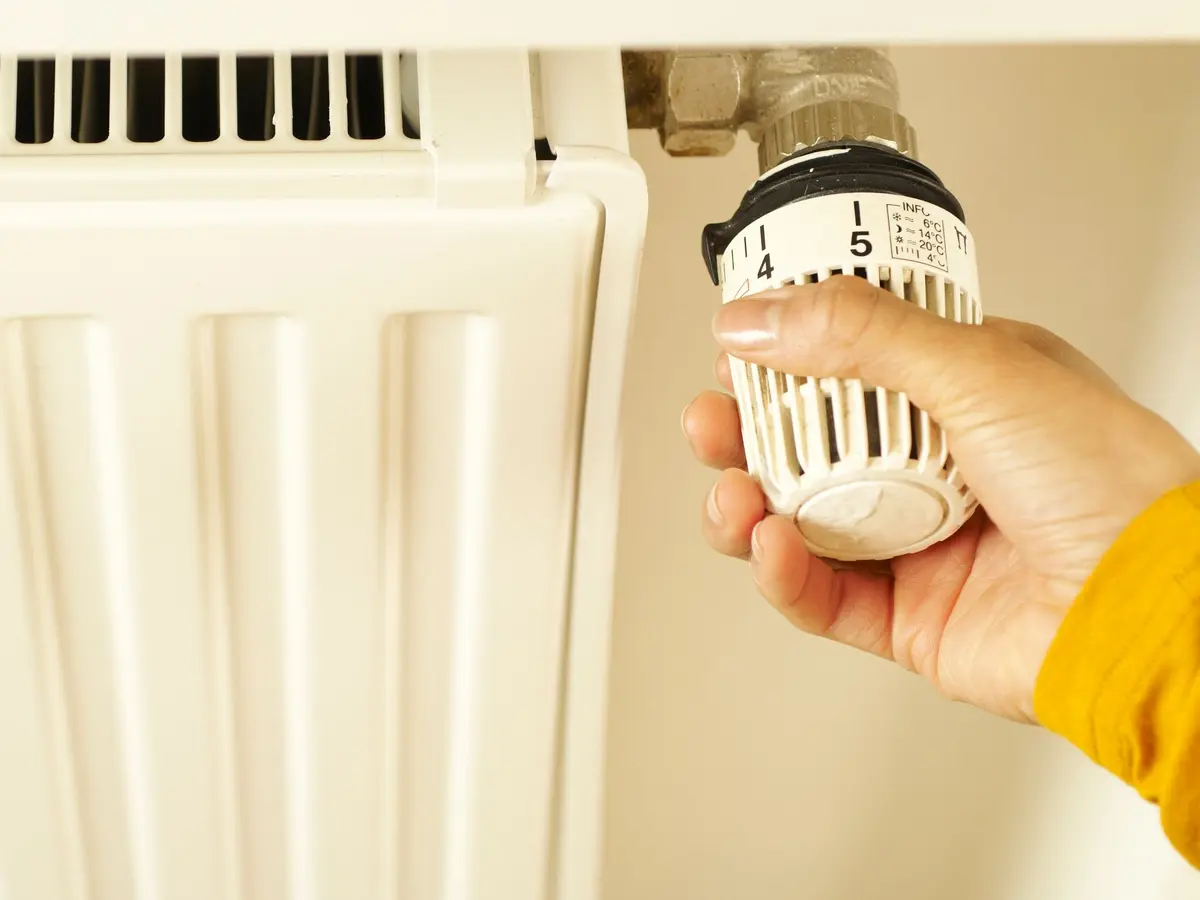
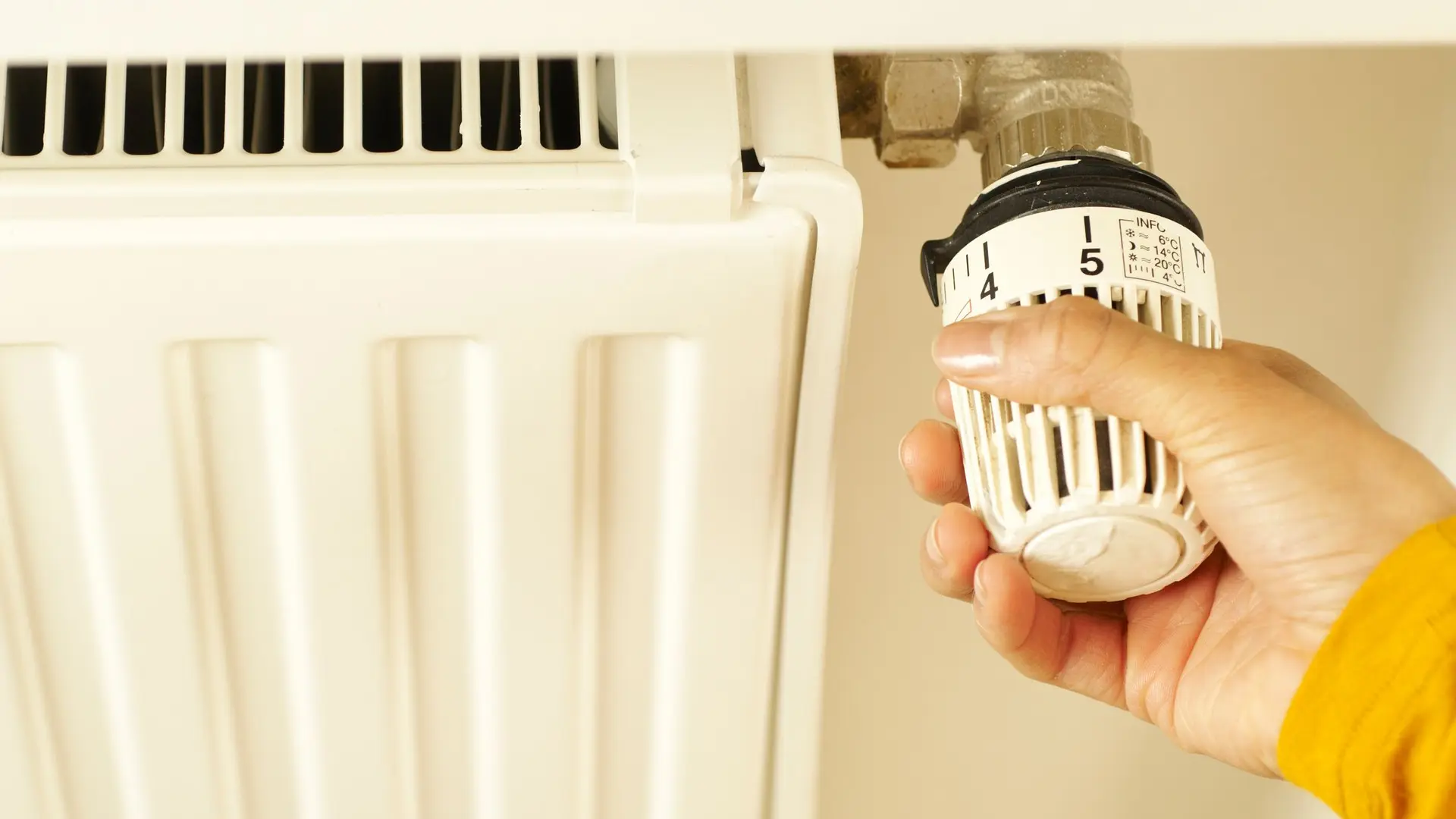
- Free a stuck TRV pin. Unscrew the thermostatic head. The small metal pin underneath should move in and out when pressed. If it is stuck down, tap it gently or work it with pliers until it springs back.
If the pressure keeps dropping after topping up, stop adding water. That points to a leak or a failing expansion vessel, and repeated refilling brings in fresh oxygen that speeds up corrosion.
When a whole floor goes cold: pumps, pressure and loft tanks
Radiators upstairs cold while downstairs ones are hot is a classic pattern. On a sealed system, low pressure is the usual culprit, because there is not enough water pressure to push the flow up to the top floor. Air collecting in the upper radiators does the same.
On an older open-vented system with a regular boiler, look in the loft. There will be a small feed-and-expansion tank that tops up the heating. If its float valve has stuck, the tank can run dry and the system slowly fills with air from the top down. If the tank is full of brown sludge, that tells you the condition of the water in the whole system.
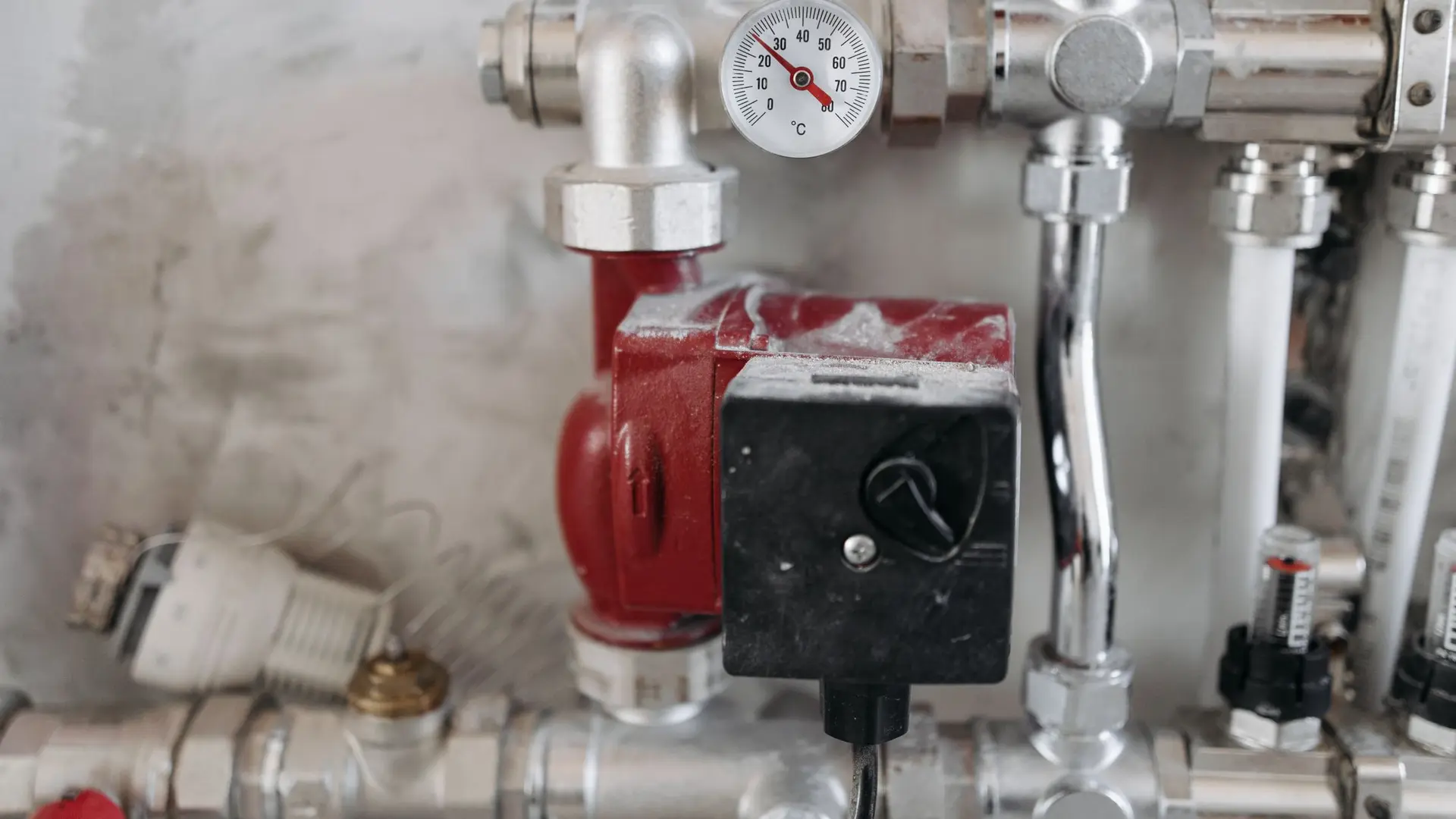
A weak or failing pump gives similar symptoms, especially in taller London terraces where the flow has to climb three or four floors. Pump speed settings, a pump seized with debris, or a partly closed isolation valve all need checking by an engineer.
Imbalance is the other common cause. Radiators close to the boiler get the flow first. Balancing means partly closing their lockshield valves so the water reaches the far rooms. It takes time and a thermometer, but it often fixes lukewarm back bedrooms without spending anything on parts.
Signs the problem is sludge, and what a power flush does
Sludge rarely affects just one radiator. The signs tend to add up: several radiators cold at the bottom, black water when you bleed, a boiler that is noisy or keeps overheating, pumps that fail more often than they should, and radiators that take a long time to warm through. Replacing one radiator may help that room, but the dirty water is still circulating.
A power flush cleans the whole system. The engineer connects a flushing pump into the circuit, usually in place of the heating pump or across a radiator's valves. It pushes water through at high flow with a cleaning chemical that loosens magnetite and scale.
- Each radiator is isolated in turn so the full flow goes through it alone.
- The direction of flow is reversed at intervals to shift deposits from both ends.
- Radiators may be tapped or vibrated to loosen settled sludge.
- Dirty water is dumped and replaced with clean water until it runs clear.
Once the water tests clean, the system is refilled, repressurised and bled, and the radiators are checked for even heat.
Inhibitor and a magnetic filter keep the system clean
Flushing removes the sludge that is already there. It does not stop more forming. That is the job of two things fitted at the end. Inhibitor is a chemical added to the system water that slows corrosion inside radiators and pipework. It should be added at the dose the manufacturer states for the system volume, and topped up whenever the system is drained or large amounts of water are lost.
A magnetic filter fits on the return pipe near the boiler. It catches the magnetite particles that still form, so they collect in a chamber that can be emptied at each service instead of settling in radiators or the boiler's heat exchanger. Many boiler manufacturers expect a filter and clean, inhibited water as a condition of their warranty.
A simple way to see whether your water is still in good condition is to bleed a little into a clear glass. It should run almost clear. Dark grey or black water, or water with fine metallic particles that cling to a magnet, means corrosion is active again and the inhibitor level needs checking.
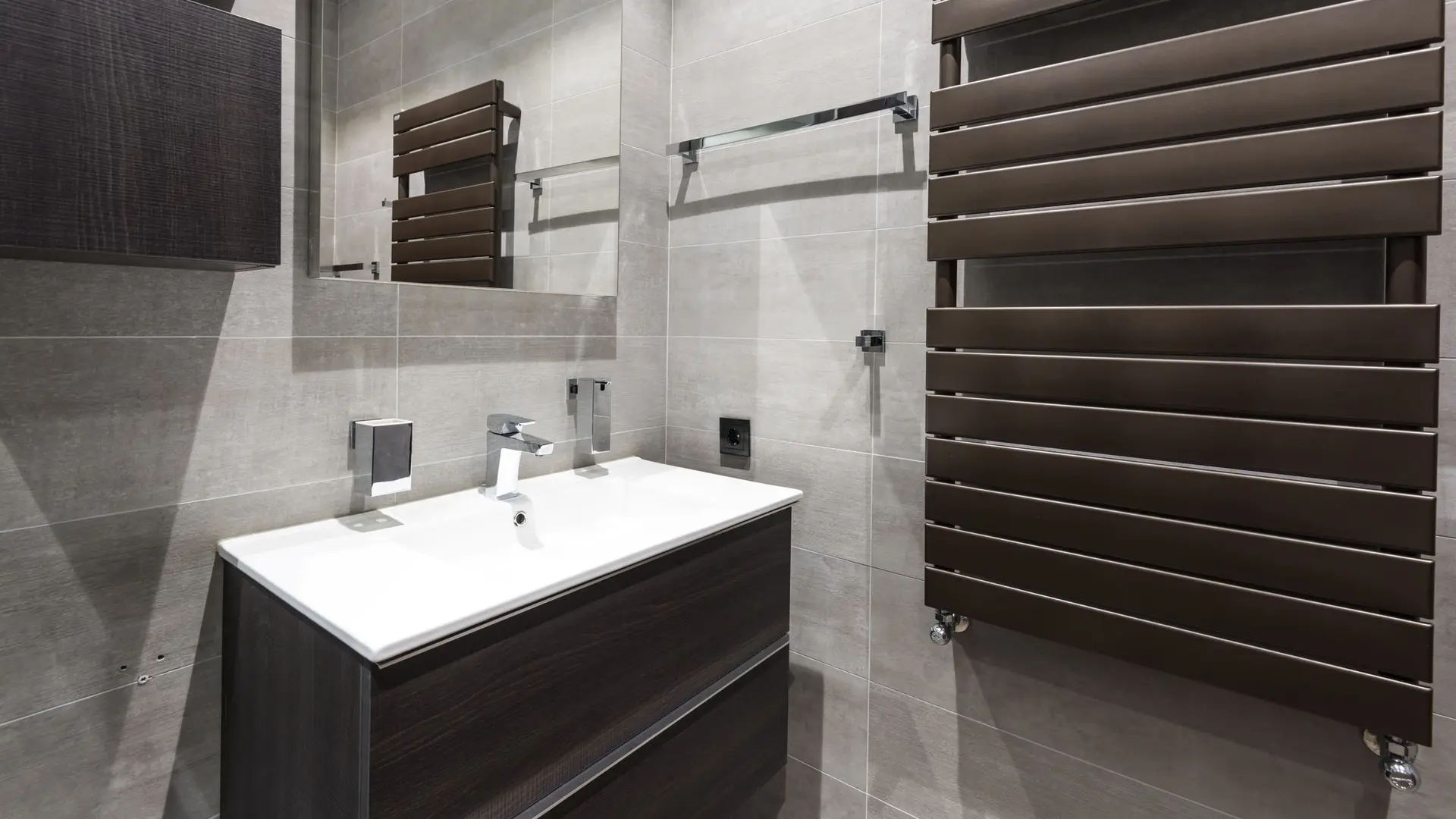
Towel rails and designer radiators in bathrooms benefit too. They often sit at the end of the circuit and are among the first to show poor flow, so a clean system helps them heat evenly.
Older London systems: microbore pipes and mixed radiators
Many London homes have heating systems that have been added to over decades. You might find a 1970s run of microbore pipe feeding some rooms, newer copper elsewhere, old cast iron column radiators alongside modern steel panels, and a combi boiler replacing a regular boiler with loft tanks.
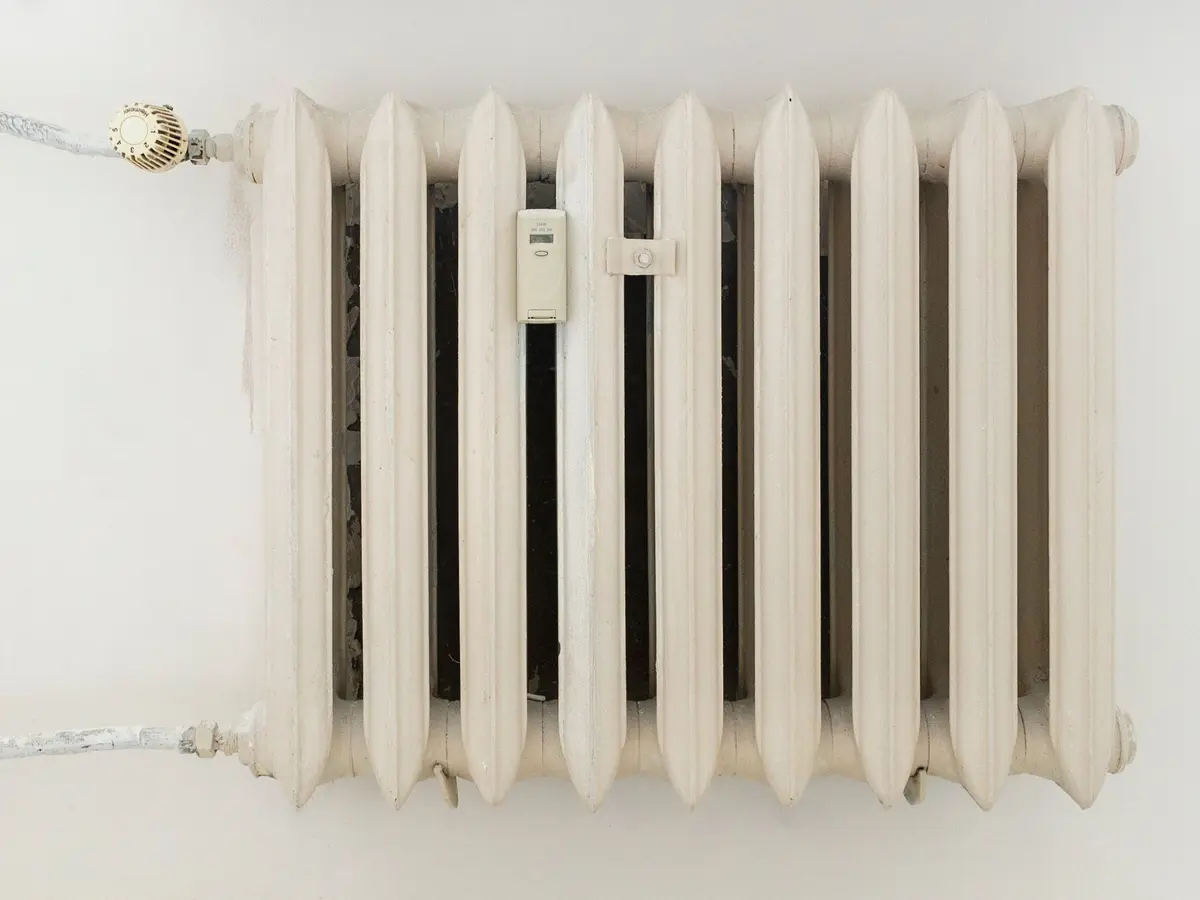
Microbore uses narrow pipe, often 8mm or 10mm, which blocks more easily and takes longer to flush. It can usually be cleaned, but a stubborn run may need a section replaced. Cast iron column radiators hold a lot of water and sludge, and they respond well to cleaning, though their old valves and joints are worth checking before any high flow work starts. Old steel radiators can also be thin from years of internal corrosion. Sometimes sludge is the only thing sealing a weak spot, and a radiator may start weeping once it is clean. An honest engineer will check them first and tell you if any look close to the end of their life, in which case a radiator replacement may make more sense than flushing.
If you are changing the boiler, a flush beforehand is usually worth it so the new appliance starts on clean water. For a price on cleaning your system, a Quick Quote Online is available on this page.